Understanding West Nile Virus: A Wake-Up Call for Equine Safety
The recent report of a mare in Ontario testing positive for West Nile Virus (WNV) serves as a stark reminder of the potential risks faced by the equine community. With this being the fifth confirmed equine WNV case in Ontario this year, the urgency to address preventive measures and awareness must be prioritized. In this article, we delve into the implications of WNV, vaccination importance, and mosquito control methods that can help safeguard our beloved equines.
The Threat of West Nile Virus in Equines
West Nile Virus, primarily transmitted to horses through mosquito bites, can trigger severe neurological symptoms. The affected mare exhibited muscle fasciculations, hyperesthesia (heightened sensitivity to stimuli), and ataxia (loss of coordination), highlighting the debilitating impact of the virus. Alarmingly, the mortality rate among horses clinically affected by WNV can be as high as 30-40%.
Remarkably, not all horses display symptoms, making the virus particularly insidious. Vigilance in monitoring equine health is essential, as early detection can significantly influence recovery outcomes.
Vaccination: Your Horse’s First Line of Defense
Vaccination plays a crucial role in safeguarding horses from WNV, yet gaps in coverage appear evident in recent cases. For instance, the Ontario mare was vaccinated against other core diseases but not for WNV, underscoring an oversight that could have been critical.
Experts recommend annual booster doses of the WNV vaccine, and in regions with elongated mosquito seasons, such as parts of Ontario, twice-yearly boosters might be warranted. Comprehensive vaccination programs act as the cornerstone of preventive equine health care against vector-borne diseases.
Strategies Beyond Vaccination: Effective Mosquito Management
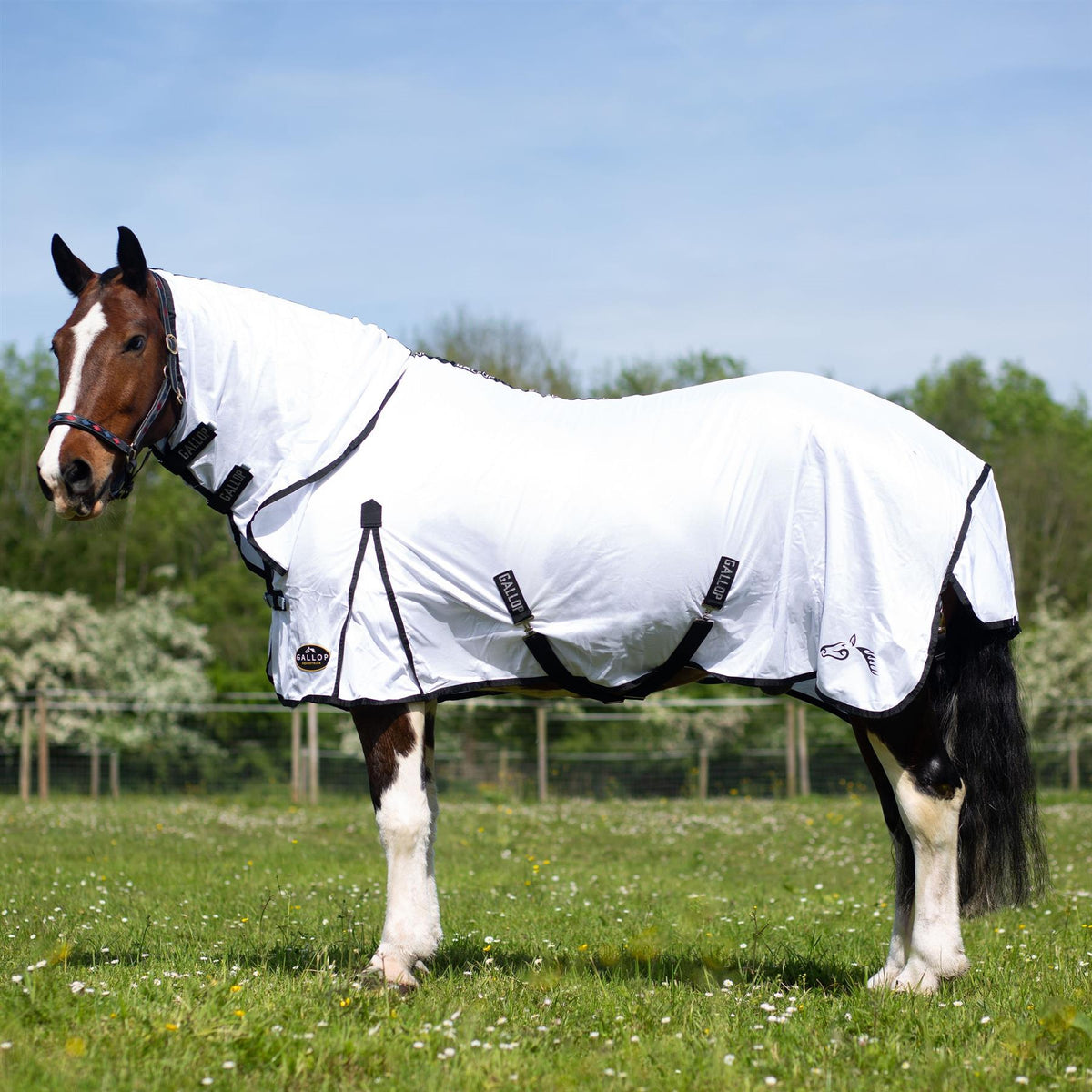
While vaccination is paramount, reducing mosquito exposure is also vital. Environmental control practices such as eliminating stagnant water sources near horse habitats can significantly mitigate mosquito breeding. Using equine-approved insect repellents provides an additional layer of protection.
Prioritizing these preventive strategies helps ensure the safety and well-being of horses, minimizing the risk of infection.
The Role of the Equine Disease Communication Center
Efforts from the Equine Disease Communication Center (EDCC) are pivotal in broadcasting timely and verified information about equine diseases. Their Health Watch program aims to enhance awareness among horse owners and veterinary professionals regarding infectious threats like WNV, encouraging proactive care.
By promoting best practices and preventive strategies, the EDCC plays an instrumental role in fortifying the defenses within the equine community against WNV.
Prevention Tips: Simple Steps for Every Horse Owner
- Ensure all horses are up-to-date on their vaccinations, with special attention to the WNV vaccine and necessary boosters.
- Conduct regular checks for standing water around stables and barns to prevent mosquito breeding.
- Employ equine-specific mosquito repellents, especially during peak mosquito activity periods.
- Maintain consistent communication with your veterinarian to adapt to any surge in local disease reports.
Education about these straightforward steps not only alleviates risks but also fortifies the overall resilience of equine populations.
Empowerment Through Awareness: A Call to Action
The ongoing cases of WNV in Ontario illuminate the persistent threat posed by mosquito-borne diseases. However, with effective vaccination protocols and robust mosquito control measures in place, horse owners can significantly reduce the risks.
Embracing the multifaceted approach of vaccination, environmental management, and the valuable insights provided by organizations like the EDCC, horse owners are empowered to safeguard their equine friends. As we harness the lessons from these recent incidences, one thing remains clear: vigilance today paves the way for a healthier equine community tomorrow.
For further details, consider visiting the original articles at The Horse and CAHSS.