Understanding West Nile Virus in Horses
The recent confirmation of West Nile Virus (WNV) in a horse from Johnson County, Wyoming has reignited concerns about the impact of this mosquito-borne disease on equine populations. While it may seem like just another hiccup in a horse owner's list of worries, knowing the ins and outs of WNV is vital to keeping your four-legged friends safe. So, saddle up as we delve into the world of WNV, its effects, and how to protect horses from the pesky mosquitoes.
WNV: The Winged Menace
WNV is primarily transmitted through bites from Culex tarsalis mosquitoes. These carriers have spread panic in Wyoming and beyond, with multiple instances across several counties including a noticeable presence in Laramie County. Despite low risk levels reported in some regions, infected mosquito populations highlight an ongoing threat not just to horses, but humans as well.
The virus mostly affects horses by inducing neurological symptoms like weakness, incoordination, muscle twitching, and increased sensitivity to external stimuli. Sometimes, horses are like that friend who can sleep anywhere – they may show no signs of infection at all! However, for those that do, there's no cure; thankfully, supportive care sometimes leads to full recovery. Even with support, the mortality rate lurks ominously around 30-40% (source: Wyoming State Veterinary Laboratory).
Vaccination: The Horse Knight in Shining Armor
One might wonder, with the virus knocking threateningly at the stable door, how do owners protect their horses? Vaccination remains the most effective preventative measure. Horses require annual booster shots, and in areas with prolonged mosquito activity, bi-annual doses might be considered. For a horse that's never felt the prick of a vaccine needle, veterinarians recommend a two-shot series before transitioning to annual vaccinations.
Vaccines don't come with flashing lights or whistles but trust me, they are a preventive powerhouse. Ensuring a horse’s vaccination is up-to-date offers peace of mind, essential during mosquito seasons when these critters buzz brazenly about.
Mosquito Control Strategies: Stop the Buzz!
Along with vaccination, effective mosquito control strategies are crucial. That means putting a stop to stagnant water – mosquitoes' favorite hangout spot. By eliminating such breeding grounds, the mosquito population can be curtailed, which subsequently diminishes the risk of WNV transmission. State and local entities like the Wyoming Weed and Pest Council keep a keen eye on these mosquito populations and implement control strategies aimed at population reduction.
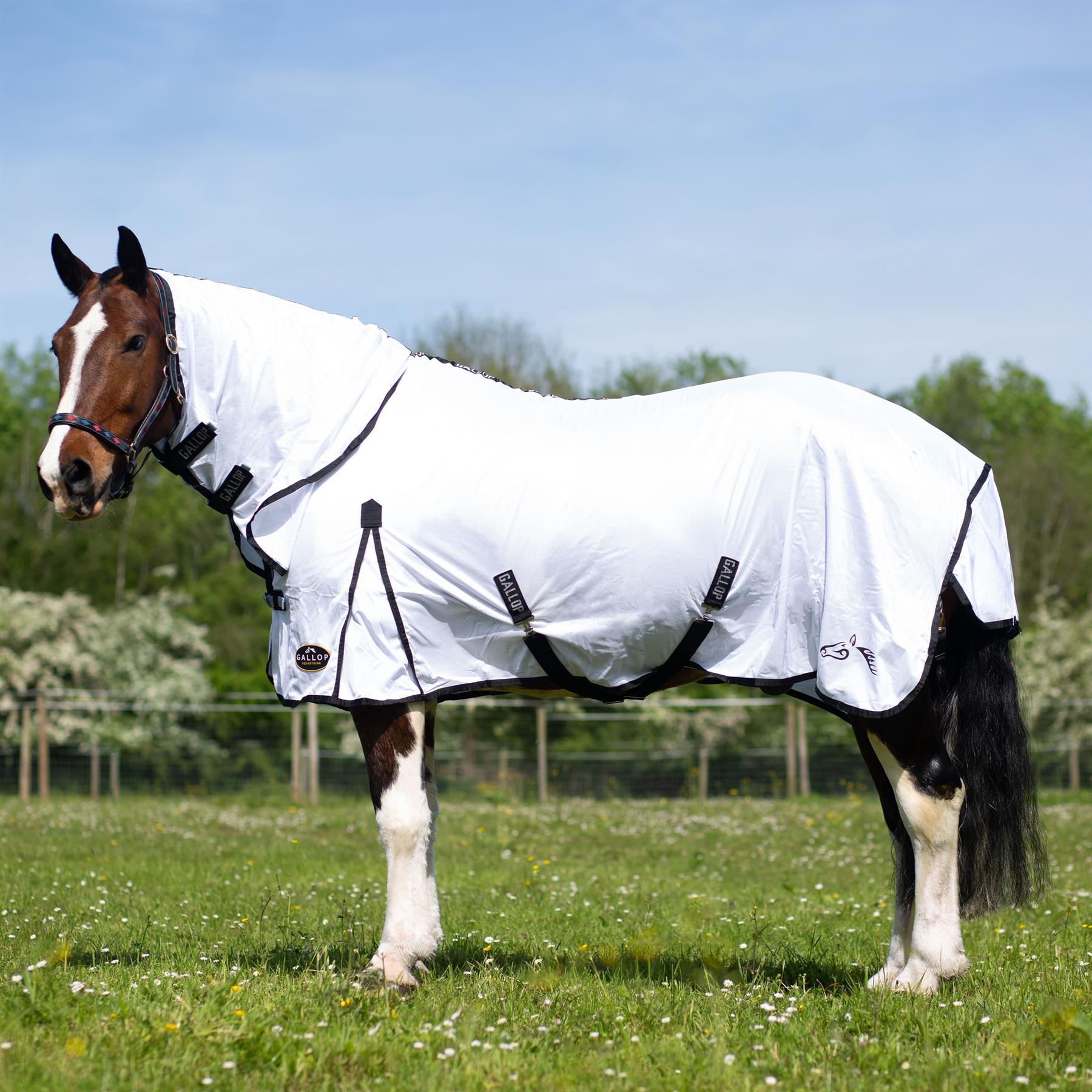
Don’t forget, prevention starts at home (or in this case, in the barn). Regular checks for standing water around the horses' living quarters and the employment of mosquito repellent systems can shield your equine friends from this unwelcome buzz.
Monitoring & Vigilance: Staying Alert
The increase in WNV cases hasn't gone unnoticed. In Wyoming alone, 2023 witnessed 27 confirmed human cases and nearly 50 cases involving horses. This spike has prompted increased vigilance among horse owners and public health officials alike.
Organizations like the Equine Disease Communication Center (EDCC) play a pivotal role by providing detailed reports and alerts on equine disease incidences. Their work reminds all – from horse owners to the casual stables visitor – to remain aware of symptoms like lethargy, muscle weakness, or any neurological oddities that may indicate WNV infection.
The Wrap-Up: Keeping Your Horses Healthy
Ultimately, protecting horses from WNV is akin to an ongoing joust with invisible opponents: mosquitoes. It's about proactive prevention through vaccination, employing mosquito control measures, and maintaining constant vigilance for the clinical sign of the virus in our equine partners.
Ensuring that each precaution is in place may feel tedious at times, but when the safety of horses is at stake, these efforts are more than worth it. After all, we want our horses to be known for their grace and speed, not for braving a mosquito-induced illness.
For further reading or updates regarding ongoing research and real-time alerts about WNV, visiting the Wyoming State Veterinary Laboratory and the Equine Disease Communication Center can be incredibly insightful.
As we continue this battle with WNV, let's ensure our hoofed companions remain frolicsome and free from the virus's clutches.