Understanding Hindgut Problems in Horses: Symptoms, Causes, and Solutions
The Role of the Hindgut in Equine Health
The equine hindgut is an extensive digestive powerhouse, comprising parts like the cecum and large colon which stretch approximately 26 feet. It plays a crucial role in water absorption and energy production by fermenting fibers into volatile fatty acids. This complex process is essential for a horse's energy and overall well-being. Yet, when this system malfunctions, it can lead to significant health issues that require urgent attention.
Spotting Early Signs of Hindgut Issues
Hindgut complications often begin with subtle symptoms that may fly under the radar. Horse owners should be vigilant for early warning signals such as lethargy, decreased appetite, and a low-head carriage. These incremental signs can mask the brewing storm within. As problems intensify, more evident symptoms like intermittent diarrhea, gas distension, and a bloated abdomen may surface. Behavioral changes, including increased irritability or reluctance to move, further indicate that something is amiss.
Chronic Symptoms to Watch Out For
If hindgut issues go unnoticed or unmanaged, they can develop into chronic conditions. At this stage, persistent diarrhea, weight loss, and inconsistent fecal output become alarmingly apparent. Horses might also display higher heart and respiratory rates, along with jaundiced gums, indicating systemic distress. In severe cases, bleeding lesions can lead to ventral edema—noticeable swelling of the lower abdomen and limbs—pointing to deep-seated dietary inefficiencies.
Root Causes of Hindgut Problems
The primary culprit behind hindgut issues often stems from an imbalanced diet. Excessive grain intake without adequate fiber disrupts the finely-tuned microbial environment, leading to hindgut acidosis and ulcers. This condition arises when undigested starches reach the hindgut and instigate an overgrowth of harmful bacteria. Medications, such as long-term use of non-steroidal anti-inflammatory drugs (NSAIDs), can exacerbate these problems by weakening the gastrointestinal lining.
Additional Contributing Factors
Stress and parasitic infections further compromise hindgut health by damaging protective intestinal mechanisms. The result? A vulnerable landscape prone to inflammation and ulceration. Confused gastrointestinal symptoms pose diagnostic challenges, often requiring vets to rely on a combination of clinical signs and tests like serum amyloid A (SAA) for inflammation or fecal blood tests to detect bleeding lesions.
Effective Management and Prevention Strategies
Prevention is invariably the best cure when it comes to hindgut issues. Focus on balanced feeding practices by minimizing grain, providing ample fiber, and avoiding abrupt dietary changes. Monitoring for early symptoms and making dietary adjustments can also help mitigate potential problems. Consultation with an experienced equine veterinarian is vital in formulating a targeted action plan for complex cases.
Dietary and Medical Interventions
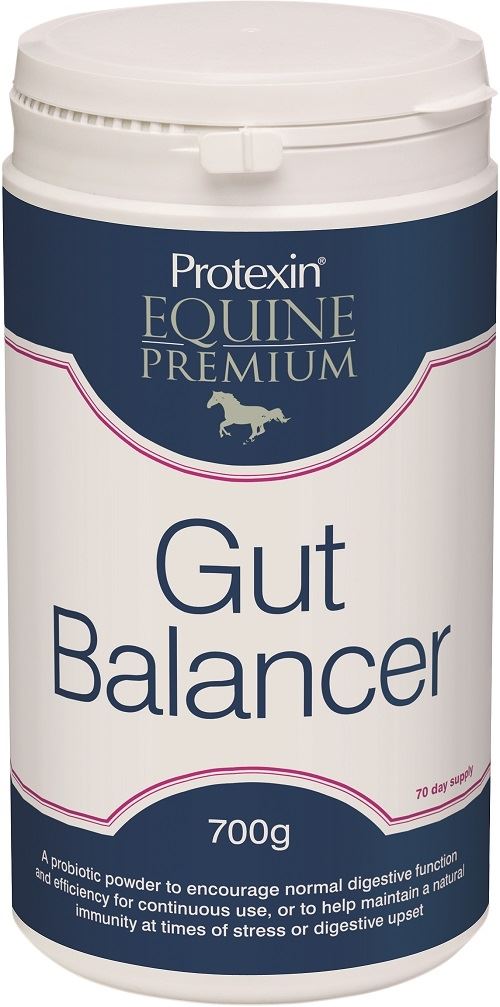
Treatment modalities often involve a combination of dietary interventions and medications prescribed to reduce inflammation and support healing. Probiotics, for instance, can aid in restoring gut microbiota balance. Implementing these remedies under veterinary guidance ensures long-term management of chronic hindgut conditions and reduces the risk of complications like founder or severe colic.
Conclusion: Staying Ahead of Hindgut Health Challenges
Hindgut problems in horses can culminate in serious health challenges if left unchecked. Maintaining a vigilant eye for early warning signs, understanding the underlying causes, and actively managing diet and stress can help preserve equine health. With thoughtful intervention and collaborative care involving equine veterinarians, horse owners can safeguard their prized companions against the pitfalls of hindgut disorders.
Sources: The Horse — "How Do I Know if My Horse Has Hindgut Problems?" Abler — Signs of Hindgut Ulcers, Causes, and Treatment