Unlocking The Secrets Of Equine Osteoarthritis: Managing Your Horse's Hind Leg Pain For A Happier Ride
Understanding Equine Osteoarthritis: A Pain in the Hindquarters
People often perceive horses as majestic creatures; their elegance and agility are unmatched. But lurking beneath this grace can be issues such as equine osteoarthritis (OA), especially in the hind limb. This condition can significantly hinder a horse's performance and overall quality of life, making early diagnosis and thorough management essential. Let's dissect this issue, sprinkle it with some humor, while presenting practical insights.
The Sneaky Symptoms
Think of osteoarthritis in horses as the annoying house guest that overstays its welcome. Initially, it might start with a subtle loss of performance, slight stiffness, or an uneven trot. As the condition progresses, it can escalate to moderate or severe lameness, particularly when Bob—or any horse for that matter—is working on a challenging circle. One might observe a unique "stabbing" gait, where the hind limb adducts and then abruptly abducts before making contact with the ground. However, it's crucial to note this peculiar style isn't exclusively reserved for distal hock joint pain[1].
Crucial Diagnostic Tools
Diagnosing osteoarthritis isn't exactly a walk in the park. It demands a keen eye and a vet with the detective skills of Sherlock Holmes.
Physical Examination and Manipulative Tests: A veterinarian's thorough physical examination is often the starting point. They'll check for signs like a decreased range of motion, joint instability, and a reluctance from the horse to bear weight on the suspected limb[3].
Radiography and Advanced Imaging: X-rays often play the starring role in detecting OA. They unveil bony changes, like narrowed joint spaces and periarticular osteophyte formation. But sometimes, X-rays don't catch early joint changes, so techniques like CT scans or arthroscopy might step into the spotlight[4].
Diagnostic Analgesia: Ever heard of intra-articular analgesia? It's not as complex as it sounds. This technique involves injecting a pain-killer directly into a joint or nearby nerves. If our beloved Bob shows improvement, it's a sign that the pain originates from those joints[1].
A Game Plan for Management
Managing OA might feel like plotting a chessboard strategy. You aim to relieve pain and keep your horse comfortably cruising down life's trails.
Medication as the First Move
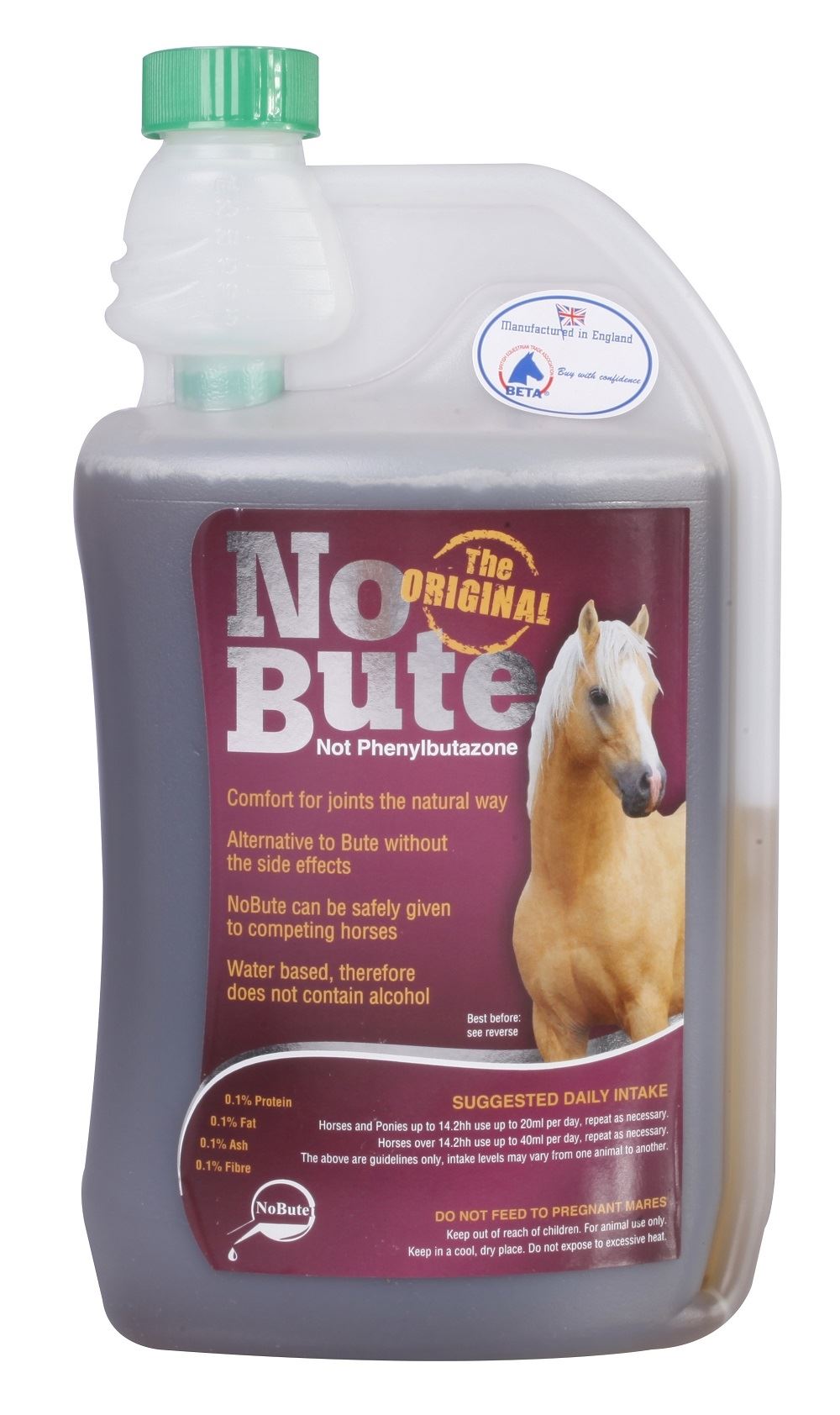
Medications can range from NSAIDs to corticosteroid injections. Sometimes, hyaluronan steps in like a superstar with its anti-inflammatory properties. Other allies in this fight include polysulfated glycosaminoglycan (PSGAG) and oral nutraceuticals. Some might bring tiludronate, a bisphosphonate compound, into the game, although its effectiveness is still a topic ripe for investigation[1].
Exercise vs. Rest: Finding the Balance
Deciding between exercise and rest is much like determining if your favorite vintage car needs more time in the garage or to hit the road. Controlled exercise programs paired with rest periods are key. Usually, that's box rest for around 4-6 weeks, evolving into carefully monitored exercise over 6-10 months[3].
Hoof Care: Weight Distribution Matters
Proper hoof care is indispensable. It's about redistributing the weight and stress away from those affected joints, ensuring Bob's rides are as smooth and burden-free as possible[1].
Nutritional Support
A balanced diet plays a critical role. While some supplements may help, further research is needed to ascertain their impact definitively. Nonetheless, keeping Bob's diet balanced will certainly support his joint health.
Long-Term Care and Research
The philosophical journey of managing OA is a long-term commitment. It calls for dedication and continuous learning.
Advancements and Future Directions
Staying in tune with the latest in veterinary technology, such as enhanced imaging techniques, can aid early detection, thereby refining management strategies. Studies showing how OA affects different breeds could prove invaluable, possibly unveiling tailored healthcare strategies across varied equine communities[2].
Comparative Studies and Individualized Care
Exploring differences in OA's manifestation between the horse's forelimbs and hind limbs could reveal fresh insights into personalized treatment plans. Moreover, the roles of nutrition and exercise in managing OA merit further exploration.
In conclusion, equine osteoarthritis in the hind leg is a multifaceted issue warranting a comprehensive, strategic approach. By employing robust diagnostic techniques, tailored exercise regimens, and effective medication, one can significantly enhance the life quality of affected horses. Stay informed about advancements and engage in ongoing research to optimize horse care—because, after all, Bob deserves nothing but the best.
Source: Adapted from content on The Horse. Visit the original article at Merck Veterinary Manual.