How to Help Senior Horses Gain Weight: A Practical Guide
The golden years of your cherished horse's life can bring unique challenges, especially when it comes to maintaining a healthy weight. Much like humans, horses face age-related issues that can impact their ability to maintain a suitable weight. But don't worry, you've trotted over to the right guide. Let's dive into the nitty-gritty of keeping your senior horse hale and hearty, with a balanced diet that will have them neighing with delight.
Rule Out Underlying Medical Conditions
Before we embark on a culinary adventure, it's imperative to ensure your horse isn't inadvertently hosting any parasites or grappling with hidden health conditions. Think of this as the equivalent of clearing your browsing history—important and often eye-opening! A good round of checks with the vet will make sure that dental problems or other health concerns aren't the reasons behind your horse's weight loss.
Understanding Your Horse's Nutritional Needs
First things first, let's talk about what your senior horse should be munching on.
Hay Quality
The trusty sweet-smelling hay is a staple in every equestrian's pantry. However, for senior horses, the devil is in the details. Quality matters over quantity. Opting for alfalfa hay can add a calorie boost and provides necessary amino acids, such as lysine. Always ensure it's leafy rather than stalky; after all, no one likes chewing on twigs.
Forging a Grain Strategy
Grains can be a tricky component in your horse’s diet puzzle, especially for our older friends. Horses at a mature age often benefit from feeds tailored specifically for them. These feeds are usually easier to digest, striking the right balance between pre and probiotics to nurture gut health. Incorporating beet pulp or alfalfa pellets can be beneficial—just soak them to avoid any gastrointestinal surprises!
Boosting Caloric Intake
A few extra calories never hurt anyone, right? Particularly our senior horses who might need that energy boost post-retirement.
Embrace the Good Fats
Consider adding vegetable oil to their feed, starting small and gradually increasing to blend the change seamlessly into their diet. A dollop of soybean or canola oil can get things moving—literally! High-fat supplements like rice bran and flaxseed are effective alternatives too. Just remember, you're not cooking an omelet here, so moderation is key!
Commercial Senior Feeds
There’s no harm in outsourcing now and then. Switching to a commercial senior feed can provide the fermentable fiber and fat needed while catering specifically to the nutritional profile of older horses. This can often relieve some burden from custom feed concoctions while ensuring no nutrient surprises that may arise from an unbalanced diet. These trusted feeds can be your horse's new best friend (well, apart from you, of course).
Ensuring Proper Digestion and Gut Health
Digestion can become a bit of a rollercoaster ride for senior horses, so let's smooth it out with some handy tips.
Starring Pre and Probiotics
Supplement your horse’s diet with pre and probiotics to give that digestion a gentle nudge in the right direction. Products like Platinum Balance are celebrated in their ability to support digestive health. Think of it as the probiotic yogurt for horses.
Address Environmental Factors
Even horses, with all their majestic sophistication, can be affected by their surroundings. Senior horses may need a more tranquil dining atmosphere and personal space to devour their meals without stress.
Social Eating
If meal times feel more like a wrestling match than a picnic, competition at the feeding station could be an issue. Have separate feeding areas available for older horses to ensure they have enough space to chew at their leisure without idle chatter or competitive elbowing from younger peers.
Pesky Pests
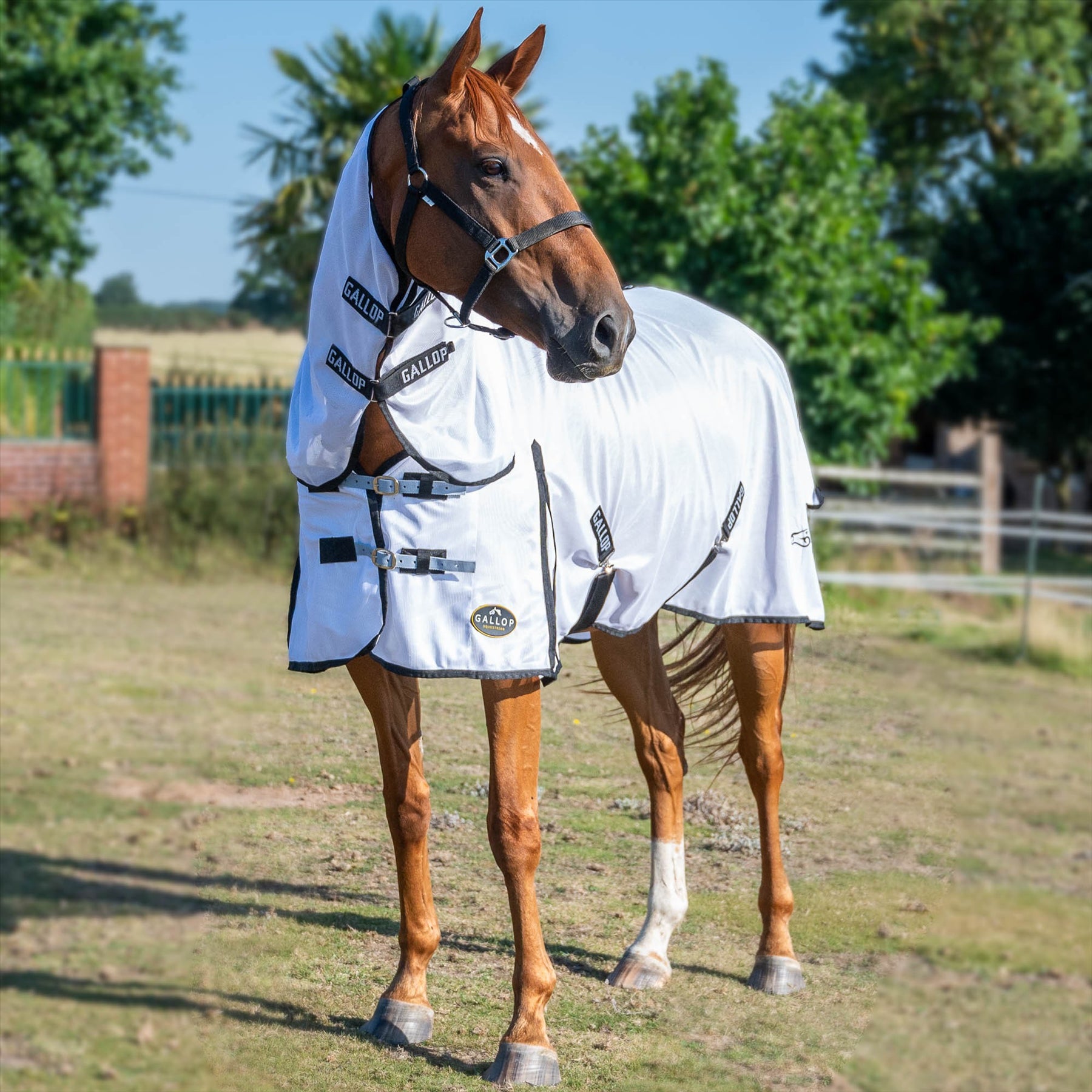
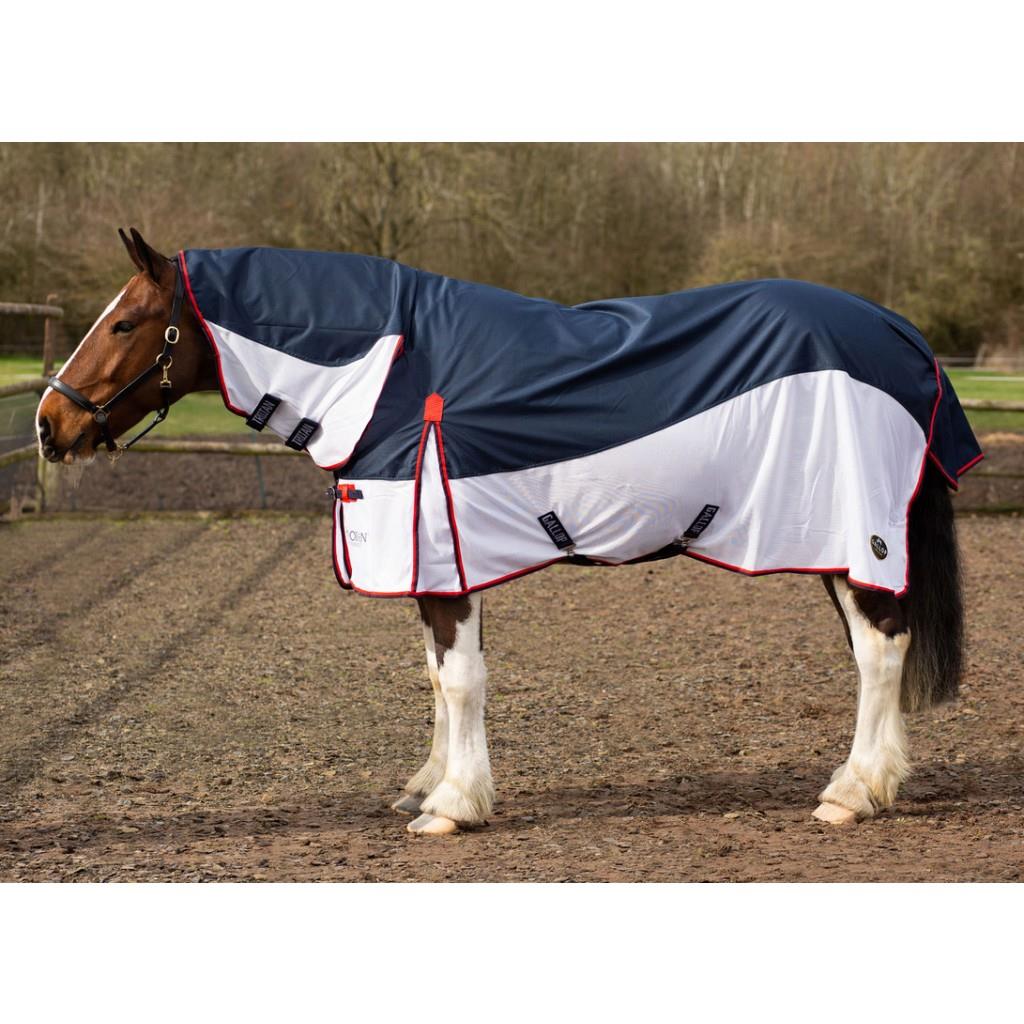
Flies can distract even the zen-est of horses during meal time. Combat this distraction with an effective fly control program or offer physical barriers like masks. We're dining elegantly here, after all!
Tracking Progress Over Time
Monitoring the weight gain like a hawk—except without the predation—is essential. Use a weight tape or scale regularly, perhaps monthly, to ensure progress is heading in the right direction. Adjustments are a natural part of this journey, akin to calibrating a well-tuned musical instrument.
Empowering your senior horse with the nutritional boost they need can be a walk (or trot) in the park. Always partner with your veterinarian and equine nutritionist to craft a diet plan specific to your horse’s needs, ensuring they gallop comfortably through their senior years. As they say—a healthy horse is a happy horse!
For more on this topic, check out the original articles on HorseRookie.com and TheHorse.com. The insights and detailed findings there have been the cornerstone of this informative guide.