The Art of Stirrup-Length Optimization
In the realm of equestrian sports, few riders have sparked as much curiosity over their unconventional techniques as Harry Meade. Holding the prestigious title of the world’s top eventer, Meade’s career path shines a light on the importance of stirrup length optimization in riding—a technique he's meticulously crafted over decades.
Early Experimentation: A Foundation for Success
Harry Meade's intrigue in stirrup length began in his early twenties. Riding through the diverse landscapes of Great Britain in hunt fields, he started experimenting with various stirrup lengths. Each horse he rode reacted differently, offering him a practical education in equestrian dynamics. By adjusting his stirrups, Meade gained insight into achieving a balance that complements different horses’ natural motions. This journey of experimentation greatly contributed to refining his technique and the success he's known for today.
Cross-Country: A Question of Length
A standout feature of Harry Meade's riding method is his decision to ride with shorter stirrups during cross-country courses. In an effort to increase stability while still allowing the horse freedom of movement, Meade opts to shorten stirrups by four holes compared to what he would use in show jumping. By doing so, during cross-country phases, he reduces rider interference with the horse, enabling the animal's innate talents to shine through demanding courses. This tactical approach draws attention to the prevalent issue of many riders choosing longer stirrups, which might not facilitate optimum performance on cross-country tracks.
Join the Conversation: Across Disciplines and Riders
While Meade's technique might seem avant-garde, he is not alone in his considerations about stirrup length. Riding luminary Beezie Madden also demonstrates the value of stirrup adjustment, varying between flatwork and jumping sessions. The distinguished equestrian Lucinda Green aligns with this outlook, underscoring the necessity for higher stirrup positions in cross-country events, suggesting a two-hole increase from ordinary jumping configurations. Their acknowledgment shows a growing acceptance of adaptive stirrup lengths across equestrian disciplines.
An Evolutionary Approach
Harry Meade doesn't claim to have revolutionized equestrian riding; rather, his work represents an evolutionary step. As he aptly points out, the riding styles of today are distinctively different from those practiced fifty years ago, and future techniques will probably continue this evolution. His ideology emphasizes the broader timeline of equestrian methodological changes, marking his stirrup-length strategy as a present-day embodiment of this historical trajectory.
Blending Tradition and Innovation
Meade’s journey is as much about respecting tradition as it is about pushing the envelope. While his methods may challenge established norms, they are grounded in a deep understanding of the rider-horse relationship. His father, Richard Meade, Great Britain's most decorated male equestrian, inspired this blend of old and new in his philosophy. By synthesizing his father's lessons with his own insights, Meade develops a harmonious partnership between rider and horse, highlighting the potential of human and animal synergy in equestrian sports.
Conclusion: The Future of Equestrian Techniques
Harry Meade’s contributions to the global equestrian community go beyond his achievements on the course. He opens a dialogue about traditional practices and encourages riders to question and evolve their techniques. By highlighting stirrup length as a critical component of riding, he's reminding us that sometimes, small adjustments can yield substantial results. His work encourages riders to embrace both the legacy of their sport and the promise of innovation.
For more insights on Harry Meade and his influential methods, visit the source article and explore how his philosophy could potentially shape the future of equestrian sporting excellence.
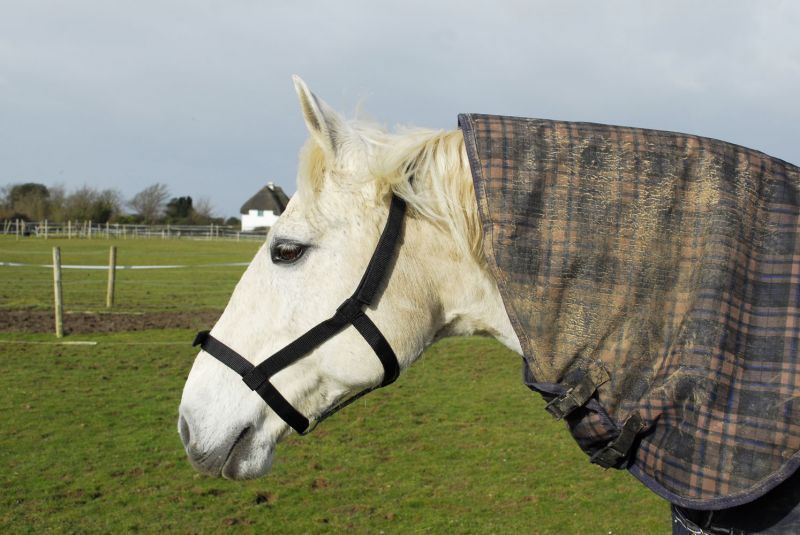
Image Credit: ©Ross Elliott/Flickr.com