Unveiling The Threat Of Eastern Equine Encephalitis And Effective Preventive Measures
Understanding Eastern Equine Encephalitis: A Threat from Mosquitoes
Eastern Equine Encephalitis (EEE) has recently marked its presence in Long County, Georgia, confirmed in a horse, setting the scene for 2025. EEE is a grave mosquito-borne viral disease impacting both horses and humans, characterized by its high mortality rates among those infected. The virus transmission is primarily through mosquitoes, where certain birds act as natural reservoirs, maintaining the virus in the ecosystem. Once mosquitoes bite these birds, they can become vectors, transmitting the virus to new hosts, including horses and humans.
The Silent Reservoirs and Vectors of EEE
Birds, unknowingly, play a crucial role in this chain. These avian carriers harbor the virus without apparent symptoms, allowing it to proliferate until mosquitoes, those unsuspected tiny fiends, pick it up during their feeding. Interestingly, horses, although severely affected by the virus, do not contribute to its further spread as the virus in their bloodstream is not at a level sufficient for transmission back to mosquitoes. This aspect of the virus portrays the complex interaction in nature's relationship web, where even a deadly virus like EEE can hover unnoticed for long intervals.
Preventive Measures: The Best Defense
Considering the severity of an EEE infection, prevention becomes paramount for safeguarding horse populations. The Georgia Department of Agriculture emphasizes preventive steps aimed at minimizing the risk of infection. It's like putting on a mosquito armor through vaccination and lifestyle adjustments. Vaccinating horses semi-annually, particularly in high-risk areas and during peak mosquito seasons, is more than a suggestion—it's a shield. It's akin to donning a superhero cape, ready to ward off those harmful viral darts.
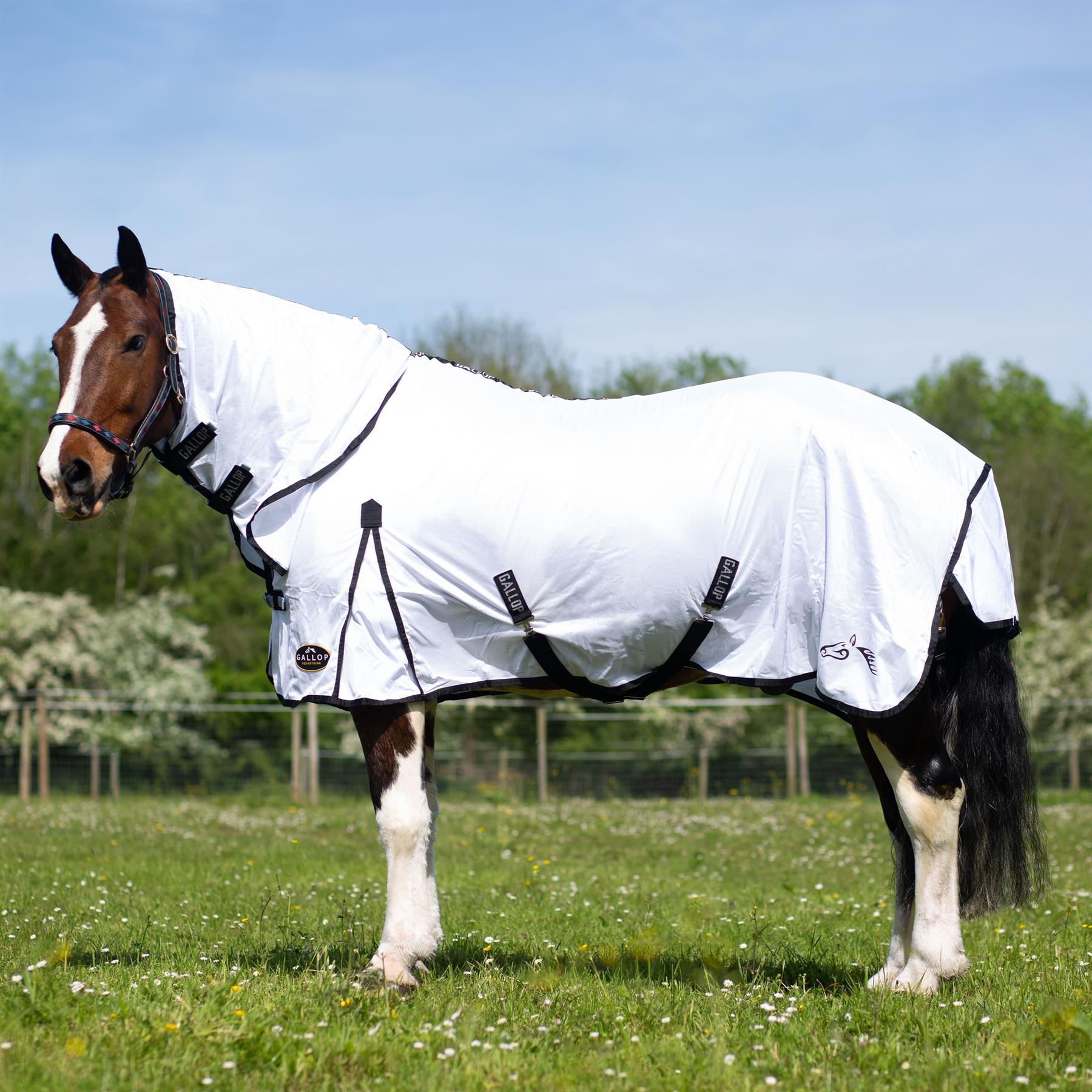
Additional recommendations include using mosquito repellents containing DEET, picaridin, or oil of lemon eucalyptus and implementing physical barriers like screens on barns and stables. Equally important is to ensure there are no breeding grounds for mosquitoes—this means eliminating any stagnant water around horse accommodations. Housing horses indoors during the dusk and dawn—peak mosquito opera hours—further reduces exposure to these carrier bloodsuckers.
Communicating the Disease: Awareness is Key
The role of communicative platforms in spreading the word (not the disease) is crucial. The Equine Disease Communication Center (EDCC) and regional agricultural departments are at the forefront, disseminating vital updates to stakeholders, ensuring both horse owners and veterinarians are on their toes. It's about being in-the-know, a proactive vigil guarding against untimely outbreaks. What's more, this not only aids in spotting outbreaks before they spiral but also enhances the collective ability to face it head-on.
Broader Implications for Public Health
EEE's impact isn't restricted to horse health alone. It serves as a forewarning of increased human cases when infections are noted in equines, proclaiming an elevated presence of the virus and mosquito activity. This isn't just an animal health concern; it's a harbinger for potential human health risks.
The persistent menace of mosquito-borne diseases like EEE throws light on the critical need for continuous surveillance. By monitoring these vectors and their hosts, there's a twofold benefit: Ensuring equine safety and arming public health officials with insights to stave off human health impacts and safeguard biodiversity and wildlife.
The Road Ahead: A Community Effort
As the saga of EEE in Georgia unfolds, it starkly highlights the need for a united effort combining proactive vaccination and stringent mosquito control measures. These are not mere reactions; they form an active shield guarding both horses and humans from this stealthy enemy. Such community-driven approaches underpin the foundations of equine safety, contributing subtly yet significantly to broader public health strategies.
It's the equivalent of calling all hands on deck, uniting in common cause, an endeavor that resonates with long-term benefits extending beyond immediate dangers. While medical interventions once symptoms appear remain elusive, what stands robust is awareness, protection, and communal vigilance.
Conclusion
The first EEE case in Georgia's Long County serves as a sober reminder of the unyielding threat that mosquito-borne diseases pose. Vigilant preventive strategies, particularly vaccination and mosquito management, emerge as the most effective defenses. The collaboration between stakeholders, enhanced public awareness, and adherence to preventive measures are critical in mitigating EEE's impacts. In this intertwined dance of nature and disease, being prepared and informed stands as the best partner.
For further reading, you can access a comprehensive report on this topic [here](https://thehorse.com/1139897/georgia-horse-confirmed-positive-for-eee/) and [here](https://www.ajc.com/news/health-news/is-death-from-rare-but-deadly-mosquito-borne-illness-cause-for-concern/Z2RPAOP3CFGULDLDYM2FE4RVBQ/).