Veterinarians Unveiled The Secret To Equine Health Through Nutrition Mastery
The Role of Veterinarians in Equine Nutrition
Veterinarians play a significant role in the health and nutrition of horses, acting as crucial gatekeepers of dietary advice. Their primary responsibility is to evaluate a horse’s core diet, which should ideally be fortified with adequate forage and commercial feeds. Just like how some folks find it necessary to take a multivitamin when their diet lacks sufficient greens, horses might need supplements when their core diet doesn’t meet all their nutritional requirements. For instance, horses that do not have access to fresh pasture might require a vitamin E supplement – think of it as vitamin sunshine in a bottle.
Partnering with Equine Nutritionists for Optimal Care
Not all veterinarians have the time to deep dive into every fodder-related matter. Here, equine nutritionists come into play. By collaborating with these specialists, veterinarians can ensure that their advice is grounded in the latest scientific research. States often provide cooperative extension services which offer affordable consultation services. This collaboration ensures that the dietary advice provided isn't just based on intuition but is backed by science. So, when in doubt, bring in the nutrition nerds!
Understanding Equine Supplement Regulations
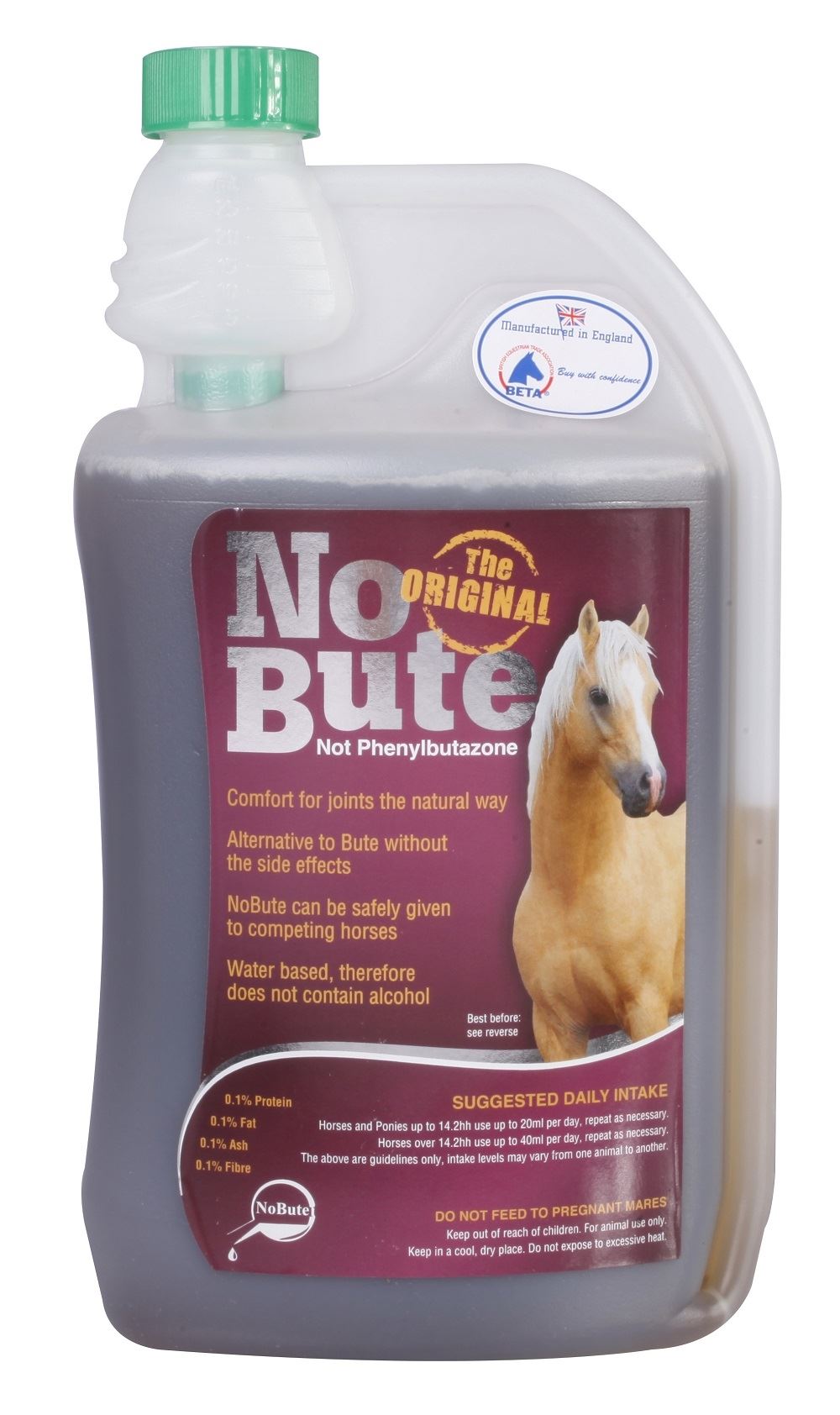
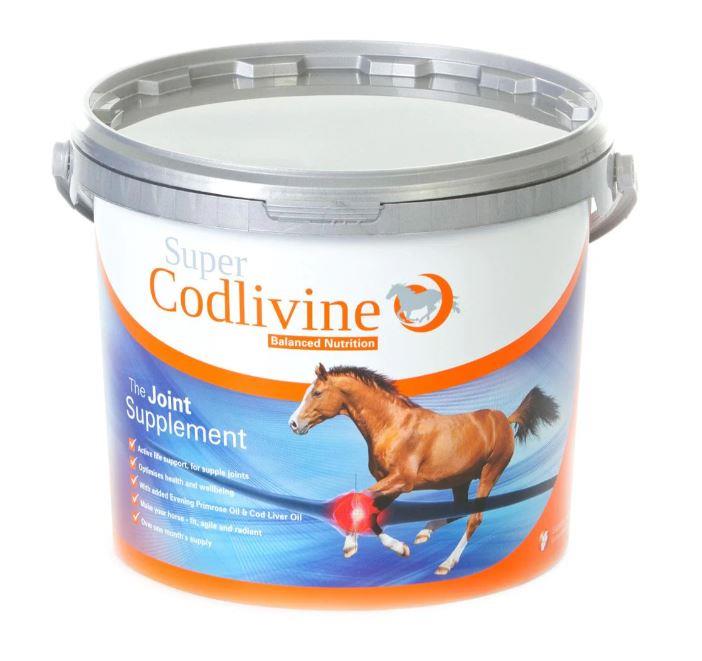
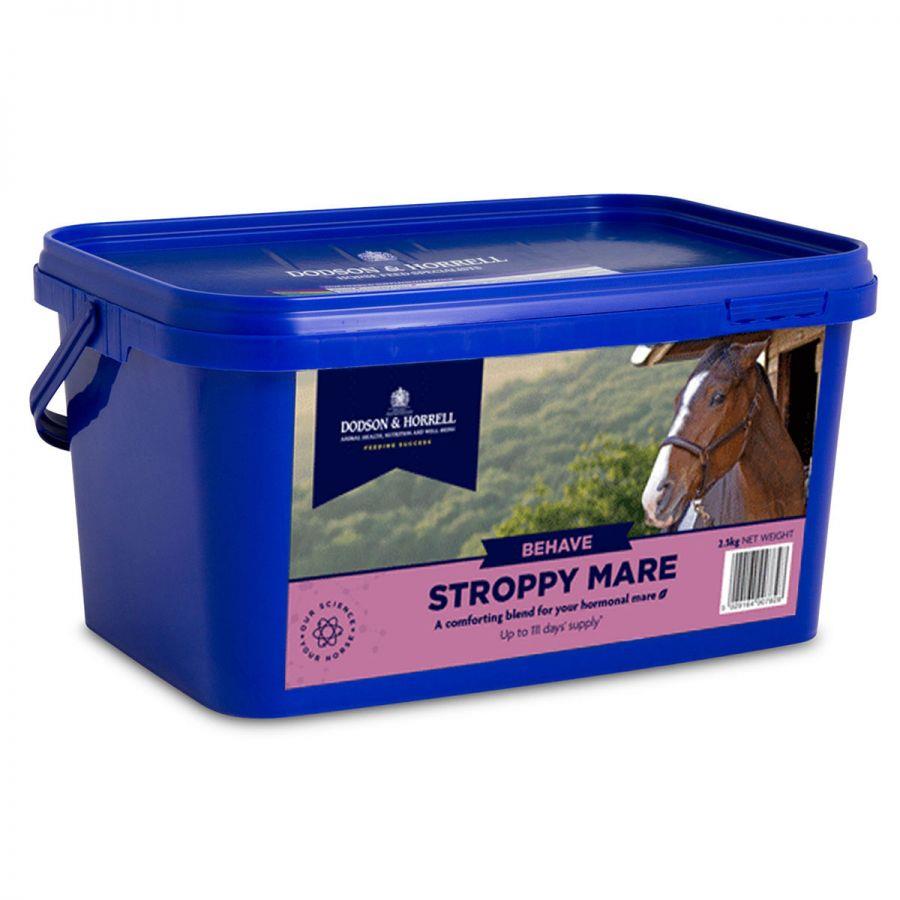
Unlike medications, equine supplements don't sail through stringent FDA regulations. Manufacturers aren't always required to show efficacy before placing their products on the market. It’s the wild west out there, folks! Thus, veterinarians need to lean towards reputable companies known for transparency in their products’ ingredients and quality control proceedings. Avoiding extremely low-cost options is wise too, since these might skimp on effective dosages or even ingredient quality. Just like you wouldn't trust a $1 sushi roll (please don’t), don't trust a suspiciously cheap equine supplement.
Ethical Considerations in Supplement Promotion
When Richard Branson isn’t watching (kidding!), veterinarians must uphold ethics. They need to guide clients on the risks and benefits, steering clear of products with shadowy labeling or from companies that cannot answer simple ingredient-related questions. It's imperative that claims of preventing, treating, or curing diseases are grounded firmly in evidence - not just overt marketing. Veterinarians are encouraged to make recommendations based on science rather than snazzy taglines. After all, you wouldn’t buy a car because it’s advertised as the “Ferrari of hatchbacks”, would you?
Keeping Up with Innovations and Research
The field of equine nutrition is not stagnant. Recent research has shown that specific vitamin formulations, like water-dispersible alpha-tocopherol, boast higher bioavailability than their counterparts. This insight is crucial for the development of efficient dietary strategies. Veterinarians need to stay updated with these strides to be able to offer horses and their owners the cutting-edge in nutritional science. With advancements forever forging the path ahead, staying informed isn’t just recommended; it's necessary!
Conclusion
To sum it all up, veterinarians are indispensable guides in the labyrinth of equine supplements. By taking a holistic approach to a horse’s diet, working hand-in-hand with nutritionists, and basing recommendations on solid evidence, they ensure that horse owners can make informed choices which in turn optimize equine health and performance. As the equine dietary supplement field burgeons, staying at its forefront helps veterinarians to steer horse owners away from sketchy paths and towards ones paved with science.
Source: TheHorse.com (Content inspired by their discussions on equine supplements and the veterinarian's pivotal role in their navigation.)