Equine Health Under Siege: West Nile Virus Outbreak in Delaware
In a dramatic reminder of nature's unpredictable challenges, two Standardbred horses in Kent County, Delaware, recently tested positive for West Nile Virus (WNV). The horses, unfortunately, had to be euthanized as a result of the severity of their infection. This event marks Delaware's first confirmed equine WNV cases of the year, highlighting the looming peril horses face during the mosquito season, which spans mid-August to mid-October.
Understanding West Nile Virus in Horses
For those of us who prefer to live mosquito-free, WNV transpires as a formidable adversary. This virus, primarily spread through bites of infected mosquitoes, can inflict a broad spectrum of neurological and systemic symptoms upon horses. Some infected horses exhibit flulike signs, drowsiness, and even muscle spasms, which often involve the head, neck, or hind limbs. Not all horses show symptoms, but those that do face mortality rates of up to 30-40%.
"Head pressing," stumbling, and fever might look like a bad day at the races, but for these noble steeds, it signifies the potential onset of grave illness. It's important to note, while humans can also contract WNV through mosquito bites, the virus doesn’t directly transmit between horses or from horses to humans. Phew, more reason to wield that insect repellent canister liberally.
Vaccination: The First Line of Defense
Narnia fantasies aside, vaccination remains the pragmatic sword in our arsenal against WNV. Annual vaccination protocols are highly recommended, involving a two-shot series for unvaccinated horses and seasonal booster shots for others. Think of it as the knight's armor for the trotting participants of life's derby.
While WNV sadly has no specific cure, prevention through vaccination, coupled with a proactive approach to mosquito exposure, stands as our best bet. New vaccines and improvements are continually being pursued, a testament to our unwavering resilience and dedication to our equine companions.
Mosquito Control: Reducing Exposure
The things we do for love; in this case, horse love, requires relentless efforts in mosquito control. These pesky insects have a knack for thriving, but we can fight back by eliminating their breeding sites. As maternal as it sounds, keeping horses indoors during peak mosquito hours—dawn and dusk— can serve as a crucial step.
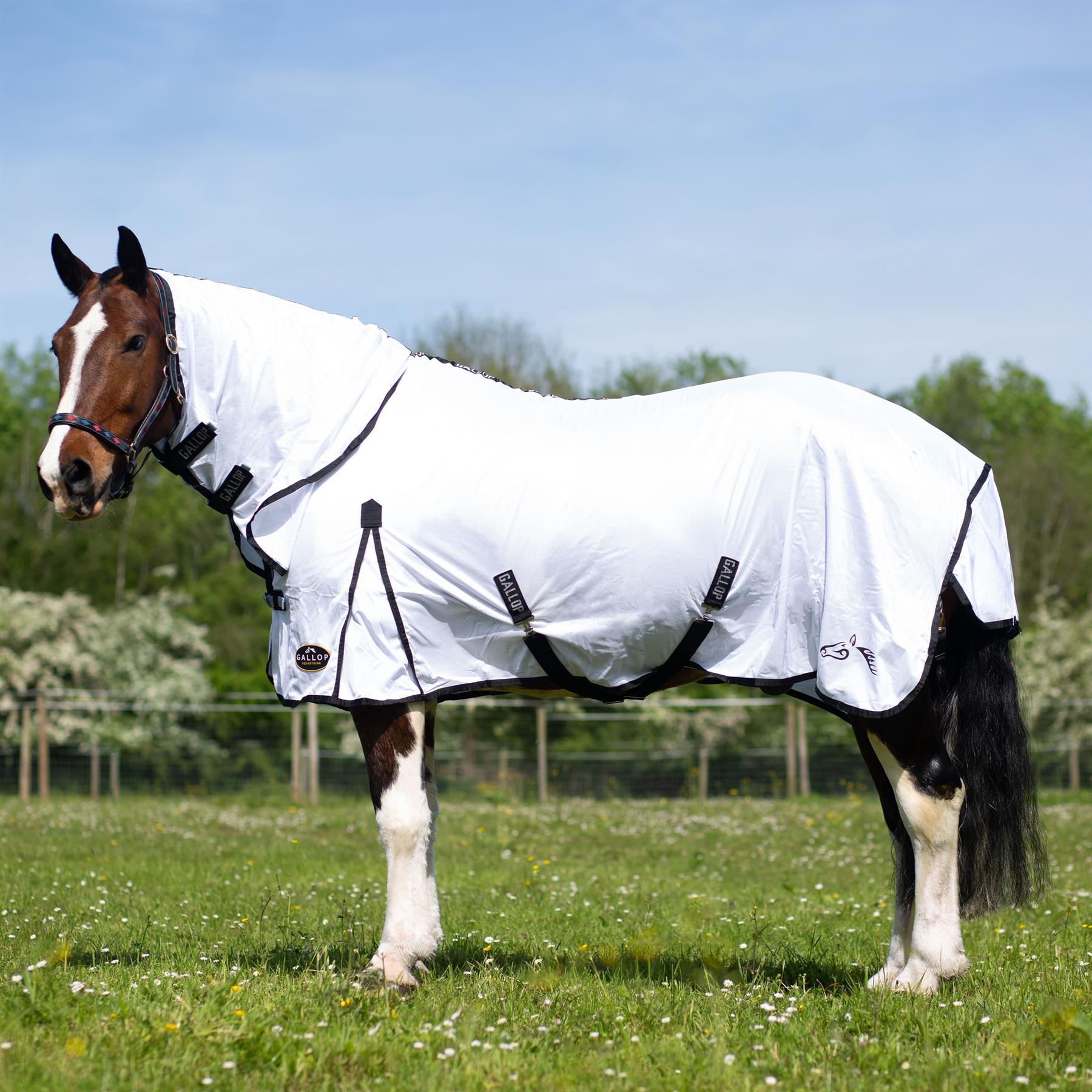
Installing fans in stalls might sound like putting horses in equine spa retreats, but fans effectively deter mosquitoes. So kick up those feet, and consider it a little well-deserved luxury for your horse friends. Coordinated with the use of topical insect repellents designed specifically for horses, the battle approaches triumph.
The Role of the Equine Disease Communication Center
In the sprawling tapestry of equine health management, few threads are as vital as the Equine Disease Communication Center (EDCC). Supported by the horse industry, the EDCC plays an enormous role in recording cases like those in Delaware and disseminating that information to help horse owners stay informed.
This independent organization provides timely updates across North America, part of an intricate web of surveillance and advocacy that sustains the equine communities. Through their Health Watch initiative, they ensure vigilance is maintained, especially during peak seasons for infections.
The Bigger Picture: Economic and Health Implications
Beyond the immediate emotional impact, equine disease outbreaks carry substantial economic ramifications within the industry. With over 9.2 million horses in the U.S., racing, recreation, and breeding activities hinge on sound health practices. Outbreaks like these stress the importance of coordinated prevention strategies.
While our imaginations might gallop away to something more idyllic like unicorns frolicking in dreamy meadows, the reality is that preventative vigilance cannot be overstated. Recent Delaware cases spotlight the necessity of integrated approaches encompassing diligent vaccination, robust mosquito control, and holistic care interventions to bolster biosecurity. The synergy between environmental controls and healthcare strategies remains a beacon of preventative optimism.
To read more about WNV and its impact on Delaware, visit the article on The Horse's website: The Horse.
References: WMDT