Understanding West Nile Virus in Horses: Prevention, Impact, and Control
West Nile Virus (WNV) presents a significant threat to equine health, striking fear into the hearts of horse owners worldwide. This mosquito-borne disease can be lethal, with a mortality rate amongst affected horses hovering around 30-40%. Thus, knowledge and prevention are crucial to safeguarding our equine companions.
The Tragic Case of the Standardbred Filly
A poignant story that highlights the danger of WNV involves a young Standardbred filly in Adams County, Indiana. This unfortunate yearling was found to be suffering from WNV on August 7, with her positive diagnosis confirmed by tests on August 22. Sadly, the filly was unvaccinated, and her symptoms rapidly progressed from hind limb lameness to recumbency, eventually leading to her euthanasia. This incident serves as a stark reminder of the gravity of WNV and the paramount importance of preventative measures.
Symptoms of WNV in Horses
While the filly’s symptoms were severe, many horses initially exhibit flu-like symptoms, including fever, decreased appetite, and lethargy. As WNV progresses, however, more alarming signs may emerge such as muscle twitching, ataxia (loss of coordination), hypersensitivity to stimuli, disorientation, and paralysis. In tragic instances, it can escalate to seizures and coma.
Though currently incurable, supportive care focusing on inflammation reduction and symptom management can sometimes lead to recovery. This includes the use of non-steroidal anti-inflammatory drugs (NSAIDs), intravenous fluids to ward off dehydration, and protective measures to prevent self-injury.
Prevention Through Vaccination
The adage "prevention is better than cure" certainly holds true with WNV. Unvaccinated horses face heightened risks of severe outcomes, as underscored by the aforementioned Standardbred filly’s fate. The American Association of Equine Practitioners strongly advises incorporating WNV vaccinations into core equine health programs.
Standard vaccination protocols typically require a primary two-dose series for naive horses, followed by annual boosters. These vaccines have been shown to be safe and effective, potentially easing the severity of symptoms or preventing illness entirely.
Mosquito Control Strategies
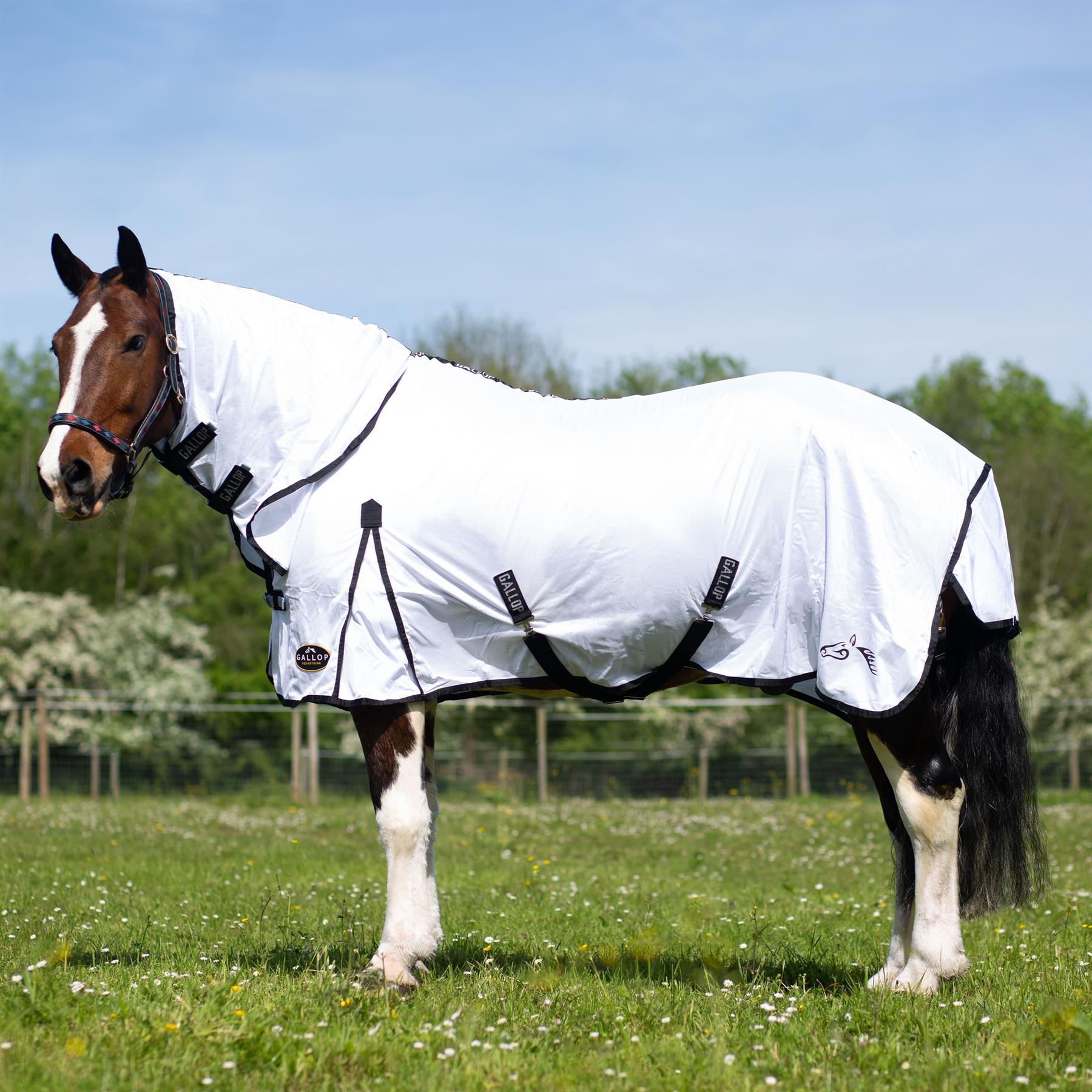
Complementing vaccination efforts, controlling the mosquito population forms a vital part of disease prevention. Mosquitoes love water almost as much as they do feasting on our horses, so eliminating standing water is essential. Keeping horses indoors during peak mosquito activity periods, typically at dawn and dusk, is recommended. Insect repellents also add an extra line of defense.
The Role of Equine Disease Communication Center (EDCC)
The EDCC is a pivotal resource in the fight against WNV. By actively monitoring and disseminating updates on equine diseases, it provides critical information for horse owners and veterinarians, boosting disease awareness and guiding prevention initiatives.
Further reading and resources can be found through The Horse.com which delves deeper into the pathways of WNV and other equine health concerns. Additionally, studies and updates on disease management strategies are available from the PetMD.
Conclusion
The loss of the Standardbred filly is a somber testament to the devastating impact WNV can have on equine populations, particularly among the unvaccinated. Enabling horse owners to arm their equines through vaccination and implement effective mosquito control strategies is paramount. Continuous research into more effective vaccines, advanced treatment protocols, and refined environmental controls remain essential as the fight against WNV persists.
While we may add a dash of humor and encourage creativity in approaching WNV prevention (anyone for a mosquito-repelling horse fashion line?), the reality remains: vigilance, effort, and education are our strongest allies in protecting our beloved horses from this formidable foe.