West Nile Virus in Horses: A Concern for Indiana and Beyond
The Recent Indiana Case: A Wake-Up Call
A 2-year-old Standardbred mare in LaGrange County, Indiana, recently tested positive for West Nile Virus (WNV). This stands as a stark reminder of the risks horses face from this mosquito-borne virus. The mare was unvaccinated and showing ominous symptoms like hind end weakness and ataxia by September 12th. This scenario, reported through the Equine Disease Communication Center (EDCC), signals a critical need for horse owners to ramp up preventative measures against WNV.Understanding the Menace of West Nile Virus
West Nile Virus is a mosquito-borne flavivirus that has kept equine health specialists on their toes since first striking North America in the early 2000s. Horses infected with WNV may experience symptoms ranging from mild flu-like conditions to severe neurological issues such as paralysis. The mortality rate is no laughing matter, resting grimly at 30-40% for infected horses. Prevention, therefore, emerges as a top priority.The Importance of Vaccination
Let’s face it, there is just no cure for WNV. But here's the good news: vaccination can save the day, significantly reducing both mortality and infection risk. An initial two-shot series is recommended for unvaccinated horses, while ongoing annual boosters are crucial for maintaining immunity. Crucially, these vaccines show effectiveness in cutting down incidences of viremia and severe clinical signs.The Role of Environment in Preventing WNV
You might not be able to control the weather, but you sure can manage the environment to fend off mosquitoes – and that's just what horse owners should do. Here's how:- Eliminate Stagnant Water: Mosquitoes thrive in standing water. Puddle-free sounds nice, right? Remove breeding grounds by clearing bird baths or clogged drains.
- Clean Water Containers: Regularly scrub those water troughs. After all, who wants their equestrian companions drinking mosquito smoothies?
- Limit Exposure: Adjust schedules to keep horses out of prime mosquito times at dawn and dusk.
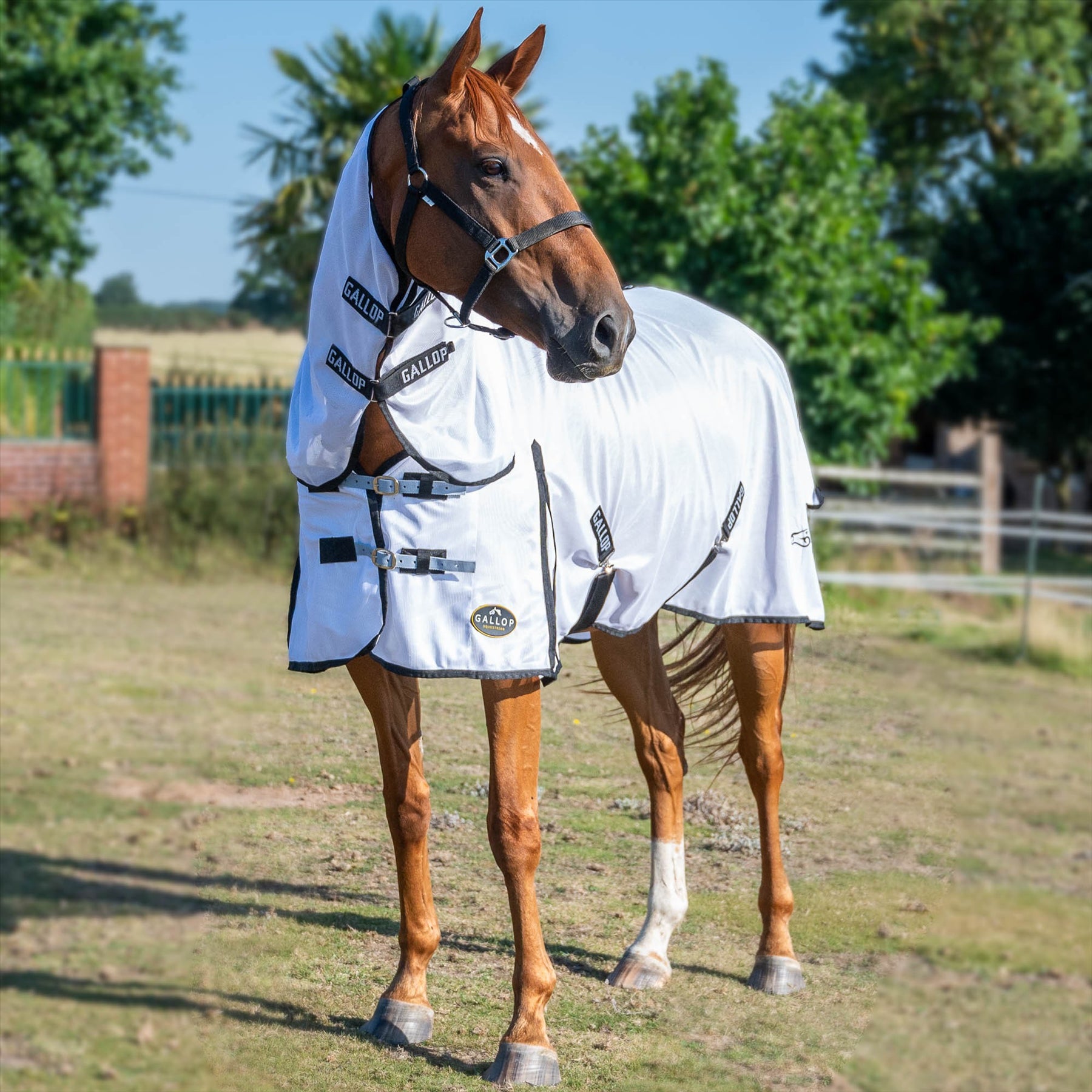
- Apply Repellents: Horse-safe repellents can drastically cut mosquito bites.
Economic Implications on the Equine Industry
The stakes aren't just health-related. The economic ramifications of WNV outbreaks in horses can saddle the equine industry with hefty veterinary bills, reduced performance metrics, or worse – losses due to euthanized or deceased horses. Understanding the regional occurrence rates, like those emerging from comparative studies in places like Canada, helps align regional prevention strategies.Importance of Ongoing Research and Strategy Development
To gallop ahead of WNV, further research could unravel the best prevention strategies. Here are a few areas bustling with potential:- Vaccine Development: Who wouldn't want the latest and greatest in vaccine technology?
- Prevention Enhancements: Advanced mosquito control and environmental techniques could tip the scales in favor of healthier horses.
- Region-Specific Strategies: We'll need comparative studies to draft location-specific combat plans for high-risk areas.
- Care and Recovery Insights: Case studies can provide valuable roadmaps for supportive care.
- Innovations in Mosquito Management: New mosquito control methodologies could be game-changers for equine safety.