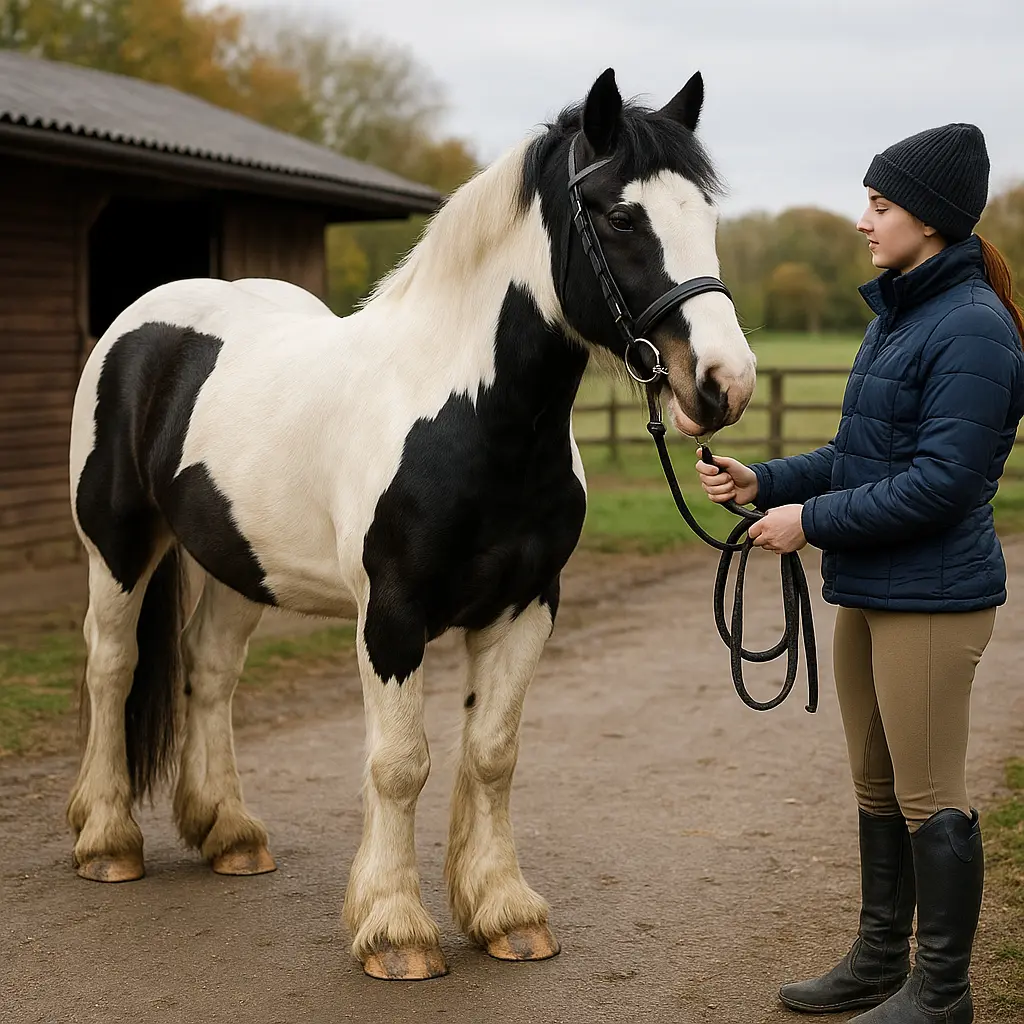
You’ve got £5,000 to spend and your shortlist is 14–15.2hh cobs or natives labelled “project” or “happy hacker”. What does that really buy in the UK right now — and how do you pick a safe, sensible partner that won’t drain your budget?
Key takeaway: With £5,000, buy temperament and current education first, budget for vetting and early support, and choose a pony that already copes with UK hacking and yard life.
What £5,000 really buys in the UK project pony market
£5,000 typically buys a kind, rideable 14–15.2hh “project” with basic schooling or a manageable quirk — not a fully produced, proven allrounder. Current listings on UK marketplaces show genuine project and hacking types in this bracket, with calmer, established allrounders priced higher.
On platforms such as HorseQuest’s project section, you’ll see big price ranges even among similar types: older, straightforward natives can advertise well under £5,000, while horses already confidently doing a job command more. “Easy keeper”, “no hard feed”, and “cheap to keep” are common selling points in this space; they reflect a real buyer preference for lower-maintenance, native/cob types that suit family and leisure homes. Remember, though, “low maintenance” at purchase doesn’t remove the need to budget for ongoing care, especially in the first three months while you settle the pony into your routine.
Size and type: why 14–15.2hh natives and cobs are the sweet spot
14–15.2hh suits many teenagers and smaller adults and is a consistently popular size band on UK classifieds, which keeps demand strong. Sites even provide dedicated filters for this height (for example, 15–15.3hh on Horsemart), underlining its practicality for general-purpose riding.
Compact cobs and native types are often marketed as “cheap to keep” and “easy doers”, which can be true compared with hotter breeds. They’re commonly barefoot or on light shoeing schedules and may thrive on good forage without hard feed. However, assess health, not just thriftiness:
- Check weight and metabolic risk. “Easy keeper” does not equal “healthy keeper” if the pony is overweight or shows a cresty neck, fat pads, or a history of laminitis.
- Look for sane, consistent temperaments. UK buyers strongly value “safe”, “easy”, and “kind” cobs for family use — temperament is a major price driver.
- Treat “no TBs” or “no greys” as personal filters, but don’t let colour or breed override suitability, conformation, and health.
Project vs happy hacker vs allrounder: buy to the job the horse is doing now
“Project”, “happy hacker”, and “allrounder” are UK shorthand for the horse’s current education level; buy for what the horse confidently does today, not for what you hope it might do. This avoids paying for “potential” you may not have time or skills to realise.
In the project category, many are not youngsters — you’ll often see 16hh, 16-year-old geldings or similar. These horses usually need experience-led schooling, confidence rebuilding, or consistent routines rather than basic starting. “Happy hacker” ads aim at safe, enjoyable hacking; “allrounder” indicates a horse that regularly does a bit of everything. Consider practical cues in adverts: “no fancy lotions, potions” often indicates a straightforward management type; conversely, a lot of “ifs and buts” may flag complexity. Match the label to your intended use and your realistic capacity for training time and professional support.
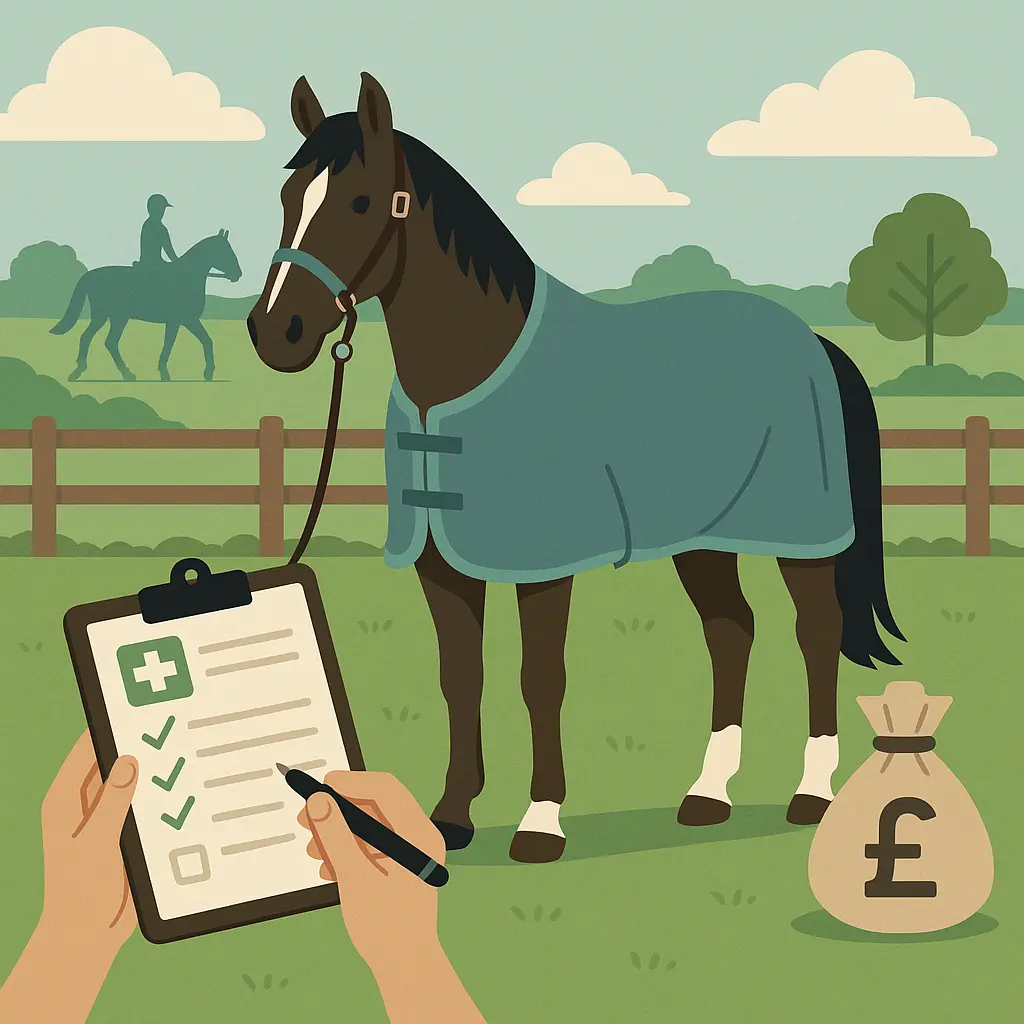
Temperament first: how to pick a safe, sane prospect
For family, novice, or leisure homes, temperament and suitability should sit above colour, flash, or fashionable breeding. This aligns with British Horse Society guidance for first-time and leisure buyers.
“Temperament and suitability should come before colour or breeding aspirations when buying a horse for family or novice use.” — British Horse Society buying advice
When you view, check:
- Ground manners: catching, leading, tying, picking up feet, rug changes, and standing to be groomed.
- Handling tolerance: does it accept clippers, spray bottles, or a stethoscope calmly?
- Real-world exposure: hacking past traffic, dogs, farm machinery, and through open spaces without napping or spinning.
- Consistency: ride it yourself on more than one day, in different settings, if possible — quiet school vs. busier times to test separation and stimulation.
Quick tip: If you want a pony for children or novice riders, shortlist those already hacking safely in British conditions (traffic, mud, variable footing). Do not plan to “make it safe later”.
Ask for the right videos before you travel
Request clear videos before you set off: many issues only show outside the arena. Sellers who can demonstrate everyday handling usually save you wasted trips.
Ask to see:
- Walk, trot, and canter on both reins (arena and a field/open space if safe).
- Hacking: alone and in company, past traffic, and over varied footing.
- Handling: catching in the field, loading, standing tied, picking up feet, and being shod or handled by the farrier.
- Routine care: rug changes, hose or sponge, and basic clipping or face trimming if relevant.
Pro tip: Also ask for a short video the moment the horse leaves the stable or field — you’ll learn a lot from the first five minutes before it’s “prepped”.
Vetting, budgets and the first three months
Always book a pre-purchase examination; it helps identify issues that may affect future use, even on a cheaper project. Build a realistic purchase+setup budget that includes transport, tack checks, and early professional support.
“A pre-purchase veterinary examination is there to identify issues that may affect the horse’s future use, not to give a guarantee of long-term soundness.” — BEVA guidance on vettings
Plan for:
- Vetting (2- or 5-stage as appropriate for your intended use).
- Transport and safe travel wear: we recommend travel boots or bandages with a tail guard.
- Tack fit check: saddle, bridle, and bit — ill-fitting tack turns minor quirks into major problems.
- Initial help: budget for a few lessons or schooling sessions if it’s genuinely a “project”.
- Rugs and yard basics: especially if you buy in autumn/winter or clip early in the season.
- Hoof care: speak to your farrier about a plan if transitioning to or maintaining barefoot; consider hoof-hardening routines.
- Insurance, dentistry, and routine vaccinations.
At Just Horse Riders, we see new owners settle projects fastest when they arrive with the basics ready: a sturdy headcollar/lead rope, grooming kit, and correctly sized travel protection. For kit, start with a dependable grooming set and build from there.
UK management reality check: mud, feet, and routine
UK yard life means wet winters, short days, and muddy turnout; your project pony must cope with rugging, changes of routine, and plenty of grooming. Choose a prospect with good feet and a practical temperament that tolerates clipping and rug changes.
Rugging: Natives and cobs often live out well, but clipped or thin-coated types need predictable layers. Keep a lightweight and a midweight on hand so you can adjust to changeable conditions without over-rugging. Our customers often choose resilient winter options from turnout rugs for field life and a cosy layer from stable rugs for overnight stabling.
Safety and visibility: With reduced daylight, ride smart. Make yourself impossible to miss with high-visibility gear from our rider hi-vis collection, and always wear a properly fitted riding helmet when viewing or test-riding unfamiliar horses.
Feet and legs: Mud and variable footing demand sensible legs and routine hoof care. If your new pony is transitioning barefoot, plan careful work on suitable surfaces and consider support such as hoof dressings and conditioning. For nutritional support where appropriate, explore targeted options in our horse supplements range and discuss choices with your vet or nutritionist.
Yard realities: Winter turnout limits on many UK livery yards mean more stable time. Pick a pony that handles box rest, leads politely in mud, loads reliably for vet or yard trips, and stands quietly for farrier and clipping.
Viewing strategy: ride twice and spot red flags
View at least twice if you can — once somewhere quiet, once with more bustle — and ride the horse yourself both times. You’re testing how it copes with pressure, not just how it goes on a good day.
What to do:
- Arrive a little early to see how the horse is kept and caught.
- Ask the seller to ride first, then you ride — in the school and on a short hack if safe.
- Handle it yourself: pick up feet, rug/derug, load if possible, and walk it past yard “monsters”.
- Confirm what the horse has done in the last six months (competitions, hunting, clinics, hacking mileage) and how it is managed daily (feed, turnout, shoes).
- Use a written sale agreement and arrange an independent vetting (BEVA has clear PPE guidance).
Watch for red flags:
- Won’t hack alone at all if sold as a hacker.
- Hard to catch, lead, or load — these “little” problems quickly become big time sinks.
- Unexplained lameness, persistent cough, or significant asymmetry.
- Seller unwilling to provide videos of routine handling or to let you ride more than once.
- Overweight natives with fat pads and a history you can’t verify; get frank about laminitis risk.
Quick tip: Bring your own hat and boots so you can ride safely on the day; never compromise safety to “just have a sit”. If you need to upgrade before viewing, browse our protective riding helmets.
In summary: £5,000 is enough to buy a kind, useable 14–15.2hh project in the UK if you prioritise temperament and current job, verify handling with real-world videos, and protect yourself with a vetting and a clear plan for the first three months. At Just Horse Riders, we’re here to help you kit out your new partner for UK yard life — from winter turnout rugs to practical grooming essentials.
FAQs
Is £5,000 enough to buy a kind, sound 14–15.2hh project pony in the UK?
Yes — if you set realistic expectations. In today’s market, £5,000 usually buys a pony with potential and basic education, or a known management quirk, rather than a fully produced, proven allrounder. Check current adverts in project/happy hacker categories (for example, HorseQuest projects) to calibrate your shortlist.
What does “project horse” really mean in UK adverts?
It generally means the horse needs further schooling, confidence, or experience before it’s polished for the intended job. Many “projects” are older horses needing consistent routines and experience-led schooling rather than breaking or starting.
Do I still need a vetting for a cheaper project pony?
Yes. A pre-purchase examination isn’t a guarantee, but it can identify issues that may affect your planned use. See the BEVA guide to vettings for what’s covered.
Why do so many buyers say “no greys”?
It’s a practical preference, not a soundness issue. Grey coats show dirt and stable stains more readily and can be perceived as higher maintenance; some buyers simply want less grooming time.
What height is most practical for a general-purpose rider?
For many adults and teens, 14–15.2hh is a versatile, economical range that’s easy to mount, manoeuvrable, and widely available in the UK market — which is why classifieds offer specific filters for it.
How do I check that a “happy hacker” truly hacks?
Ask for video of solo and group hacks, traffic, and varied footing before you travel. On the day, ride out yourself if safe, and verify that what’s advertised matches what the horse calmly does now.
What gear should I have ready for a new project pony?
Start with safe travel protection, a complete grooming kit, and weather-appropriate rugs (a couple of layers from our turnout and stable rug ranges cover most UK conditions). Add hi-vis for winter hacking and a correctly fitted helmet.