

Navigating the Maze of Misleading Horse Ads: Tips for Finding Your Perfect Equine Partner
Purchasing a horse is an exciting yet complex journey, often clouded by misleading ads and potential scams that can turn a dream into a costly nightmare. With horse sale fraud rampant across various platforms—from classified ads to supposedly reputable websites—it's vital for prospective buyers to be well-informed and vigilant. This blog offers practical tips based on industry insights and legal expertise to help you navigate these pitfalls confidently while adhering to Google’s EEAT (Expertise, Authoritativeness, Trustworthiness) standards.

Understanding the Scale and Nature of Horse Sale Scams
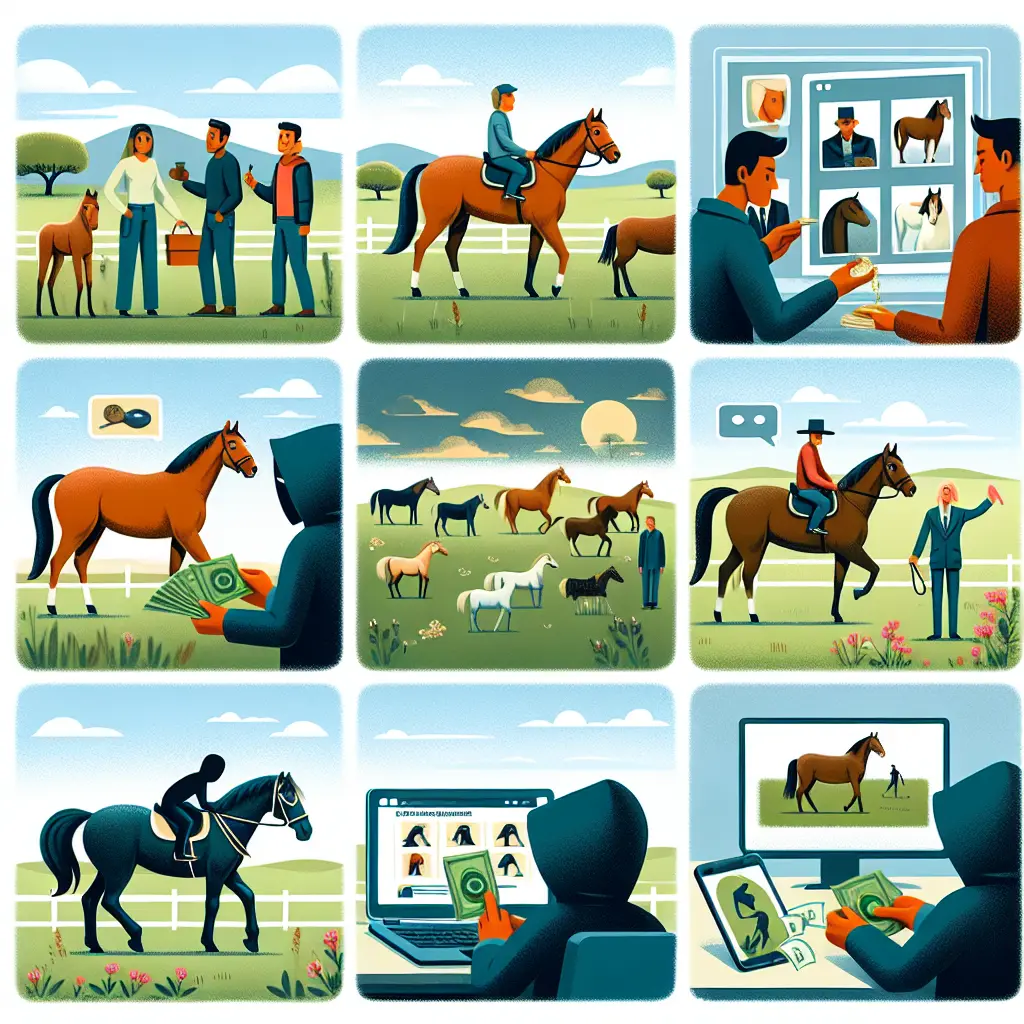
Horse sale fraud is widespread and affects buyers of all levels, but particularly novices and those buying modestly priced horses for everyday riding rather than high-profile show mounts. Scammers cleverly exploit buyer goodwill by:
- Stealing photos and listings from legitimate sellers, reposting them at lower prices on fake or cloned sites to lure buyers ([1](https://equinelegalsolutions.com/shocking-horse-sale-scam/); [5](https://thehorse.com/196929/horse-classified-scams-run-rampant/)).
- Using anonymous or evasive communication: Sellers avoid phone calls, only respond via email or text, and resist sharing detailed information like a horse’s exact location ([1](https://equinelegalsolutions.com/shocking-horse-sale-scam/)).
- Overpromising quality and underpricing: Horses are advertised far below market value for their breed or training level, raising suspicion ([1](https://equinelegalsolutions.com/shocking-horse-sale-scam/)).
- Manipulating financial transactions: Payment is requested via unconventional routes (e.g., sending money to an account not in the seller’s name), increasing the risk of loss ([3](https://thehorse.com/18928/10-horse-sales-fraud-warning-signs/)).
- Misrepresenting the horse’s condition or ownership through falsified bills of sale, misleading descriptions, or false claims regarding the seller's identity ([2](https://equinelegalsolutions.com/fraud-schemes-in-the-horse-industry/); [3](https://thehorse.com/18928/10-horse-sales-fraud-warning-signs/)).
Top Warning Signs to Spot a Potential Scam
- Multiple listings of the same horse at varying prices: If you see identical photos and descriptions on different sites with inconsistent pricing, proceed with caution ([1](https://equinelegalsolutions.com/shocking-horse-sale-scam/)).
- Seller unwilling to communicate beyond email or texts, and avoids phone calls or in-person meetings ([1](https://equinelegalsolutions.com/shocking-horse-sale-scam/)).
- Horses offered far below market rates without credible explanation, especially in bulk listings ([1](https://equinelegalsolutions.com/shocking-horse-sale-scam/)).
- Requests for payment to third parties or accounts not directly linked to the seller. This can be a sign of financial fraud designed to divert funds ([3](https://thehorse.com/18928/10-horse-sales-fraud-warning-signs/)).
- No verifiable references or reviews from previous buyers or customers despite claiming a high volume business ([1](https://equinelegalsolutions.com/shocking-horse-sale-scam/)).
- Mismatch between photo and description, such as breed, sex, or intended use, indicating stolen images or false advertising ([5](https://thehorse.com/196929/horse-classified-scams-run-rampant/)).
- Website issues like broken links, incomplete pages, or copied biographical information hinting at cloned or fake websites ([1](https://equinelegalsolutions.com/shocking-horse-sale-scam/)).
How to Protect Yourself and Find Your Ideal Horse
When navigating the horse sale market, here are crucial steps to safeguard your interests:
Research Thoroughly
Use reverse image search tools to verify photos. Confirm the seller’s online presence beyond a single ad by checking social media, review forums, and equestrian networks.
Insist on Direct Communication and Documentation
Speak by phone or meet in person if possible. Request a detailed bill of sale that includes seller details, horse description, and transaction terms ([3](https://thehorse.com/18928/10-horse-sales-fraud-warning-signs/)).
Vet Every Potential Purchase
Arrange for a professional pre-purchase veterinary exam. Be wary if the seller resists this or downplays issues identified by a vet.
Avoid Paying Upfront Without Verifying
Use secure payment methods and avoid wiring money to unknown third parties. Be skeptical if asked to pay via untraceable methods.
Seek Recommendations and References
Good sellers often have past satisfied customers willing to share their experience.
Engage Industry Professionals
Buyers new to horses should consider working with a trusted trainer or equine agent who can help evaluate horses and sellers.
File Complaints if Defrauded
Because law enforcement may consider most horse sale disputes civil matters, document all communication and file reports both locally and at the seller’s location if fraud is suspected ([2](https://equinelegalsolutions.com/fraud-schemes-in-the-horse-industry/)).
The Bigger Picture: Industry Risks and How Investors Combat Fraud
Fraud risks extend even into high-value horse investments, such as racing and dressage, where commission inflation, hidden intermediaries, and falsified sales prices are common. Litigation experts recommend:
- Direct buyer-to-seller funds transfer
- Detailed written sale contracts with full agent disclosures
- Independent valuations and vetting
- Regular reconciliation of financial records to detect irregularities ([4](https://www.hklaw.com/en/news/intheheadlines/2025/09/the-business-of-horses-how-the-wealthy-invest-in-racing)).
Final Thoughts
While the horse market is ripe with opportunities for finding a wonderful equine partner, it is also fraught with pitfalls of misleading ads and scams. By arming yourself with knowledge, verifying sellers and horses thoroughly, and employing caution in financial dealings, you can dramatically reduce risk and find a horse that truly fits your needs.
Equine purchases are emotional and financial investments; protecting yourself ensures your equestrian journey begins on the right foot and leads to long-term happiness and partnership.
Explore More with Just Horse Riders
Once you've secured your perfect horse, gear up with our wide array of quality equestrian products. Check out our Jodhpur Collection, or find the best Horse Riding Boots to complement your style. Don't forget the essentials like our Horse Riding Gloves and Socks. Discover our Horse Treats and Gifts to celebrate your new equine friend, and ensure their health with our selection of Everyday Horse Vitamins & Supplements. For more protection, consider our range of Stable Rugs, Turnout Rugs, and Horse Fly Protection. Visit our website for more details!