

Can Boswellia Be a Safe Alternative to Bute for Arthritic Horses?
Managing arthritis in horses can sometimes feel like you're training a cat to do dressage—frustrating and unpredictable. Horse owners and veterinarians have long relied on Phenylbutazone, or bute, to ease arthritic pain, but the dark cloud of side effects looms like a summer storm. Enter Boswellia serrata, the popular kid at the natural supplement party, proposing a gentler, herbaceous path to relief.
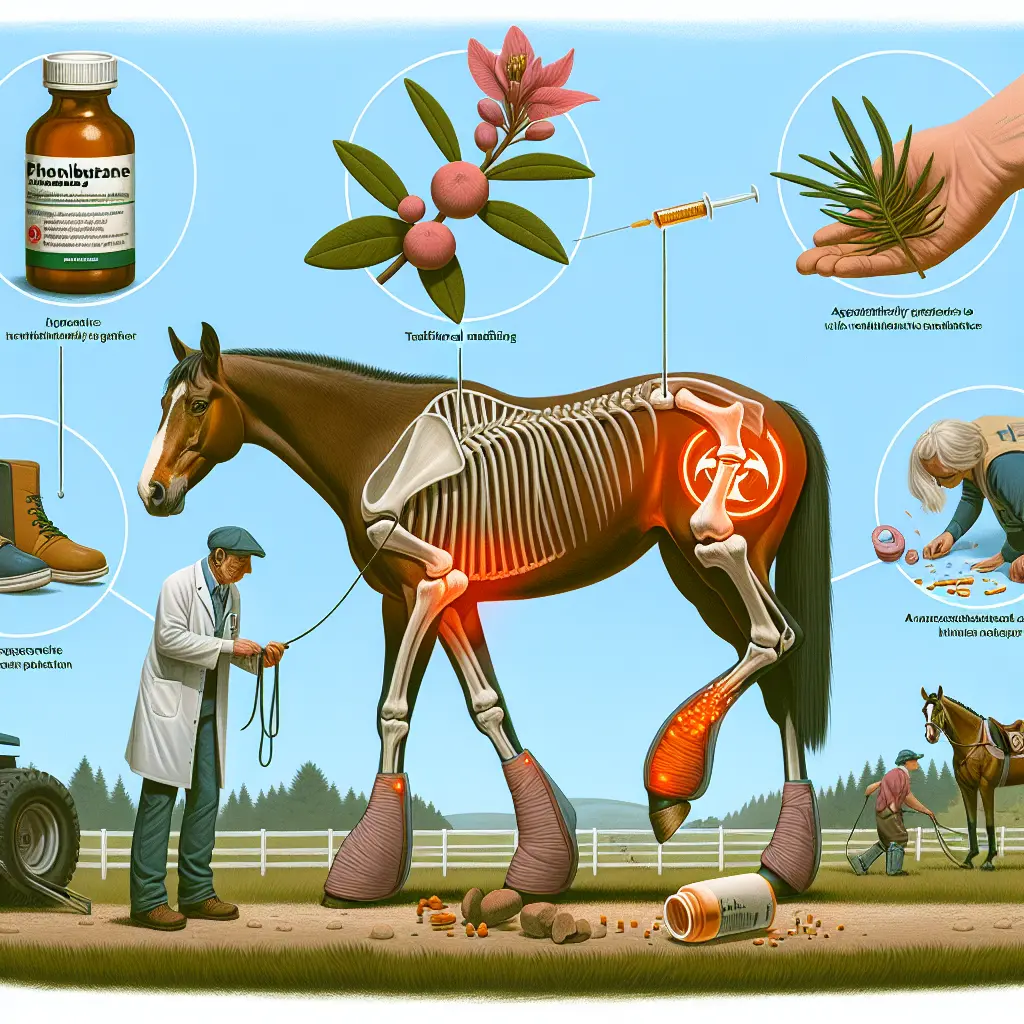
Understanding Arthritis and Bute in Horses
Equine arthritis is not just a bad case of "I forgot how to dance." It involves the progressive degeneration of joint cartilage, leading to a painful conundrum of swelling, stiffness, and lameness. Particularly prevalent in performance horses, this condition needs a tailor like a dress needs a hem. Bute steps in as a cyclooxygenase (COX) inhibitor, a fancy term for "pain zapper," blocking prostaglandin synthesis. Yet, this zapper occasionally backfires with effects like gastric ulcers and kidney damage, making bute an NSAID with baggage [2].
A 2017 study at Texas A&M University arrived with a damning verdict: horses on bute ended up with more gastric ulcers than a pickle-eating contest on steroids, highlighting the danger of prolonged NSAID use [2]. Due to these hiccups, bute is now largely reserved for emergencies, making it the nachos of equine medicine—best in small doses.
What is Boswellia and How Does It Work?
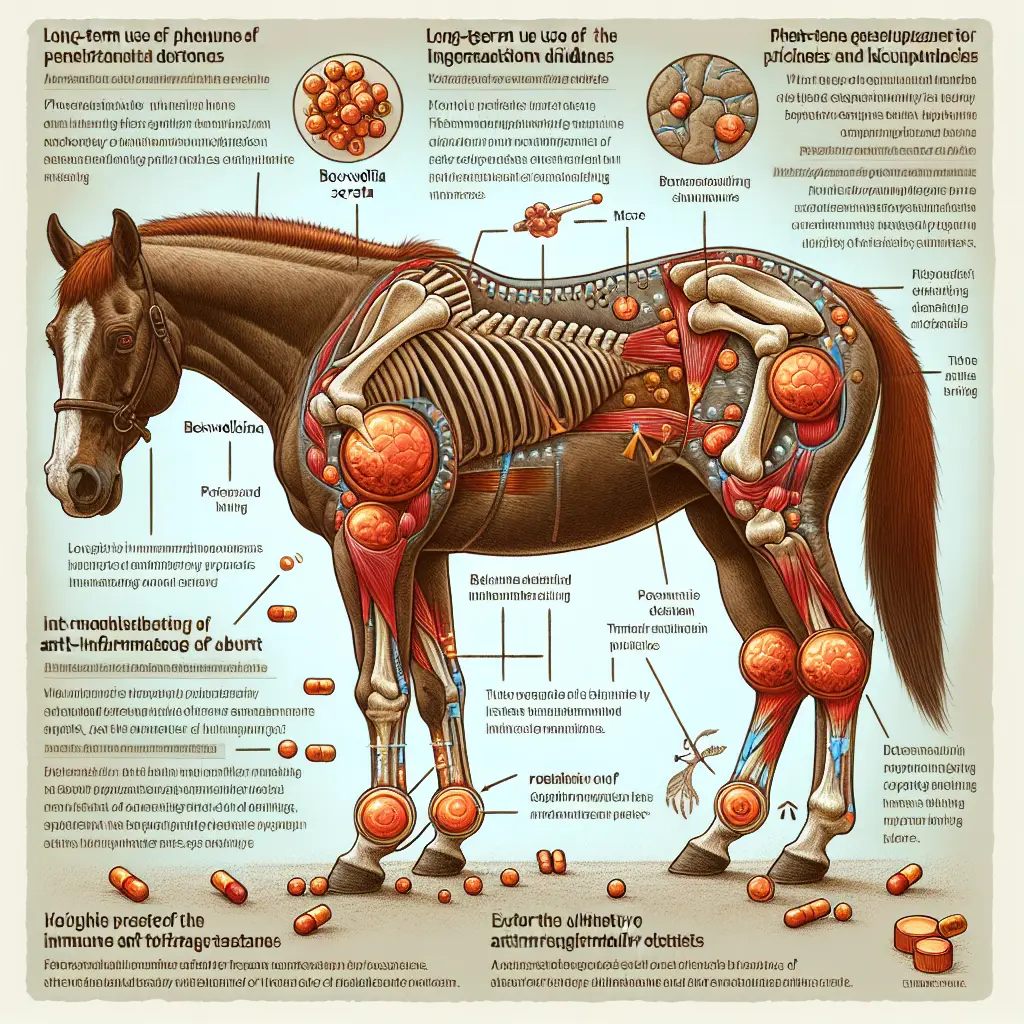
Boswellia serrata, known as Indian frankincense, feels like that one secret herb your grandma swears by. It's been around the medicinal block, cheered for its anti-inflammatory properties, and now is auditioning as bute’s stunt double. The active compounds, boswellic acids, sidestep bute’s gastrointestinal runway by inhibiting 5-lipoxygenase, an enzyme involved in leukotriene synthesis, curbing inflammation and pain without getting their feet muddy in COX pathways [6].
Think of Boswellia not as an NSAID sibling, but more of a second cousin, twice removed, offering immune modulation and tissue repair with less digestive drama. It's the guest that tidies up after itself.
Evidence Supporting Boswellia for Equine Arthritis
While equestrian research on Boswellia is still in its horse shoes compared to human studies, anecdotal and emerging scientific support is bringing it to light. A chorus of horse owners and trainers report Boswellia maintaining mobility and comfort in their equine friends without the side effects that bute likes to crash the party with [7].
Boswellia often rubs shoulders with other natural anti-inflammatories like turmeric and MSM, creating a synergistic band that collectively sings a tune sweeter than bute’s solo. Studies suggest Boswellia's influence in reducing chronic joint inflammation and positively tweaking immune markers [6].
Practical Considerations: Is Boswellia a Safe Alternative?
Boswellia isn't just flirting with your horse’s health—it’s proposing a lasting partnership. Its multi-faceted anti-inflammatory action shines with a safety profile that has bute hiding under its hat. Yet, much like picking between trotters and stirrups, there are nuances to consider.
Efficacy: Boswellia is a gentle giant, excellent for mild to moderate pain but perhaps not the emergency brake for severe flare-ups. It's like swapping a mint for an extra-strong peppermint—comfortably refreshing but not quite eye-watering.
Regulation and Quality: Herbal supplements swing from robust to watered-down quicker than a punch at a barn dance. Choose reputable manufacturers to keep Boswellia's boswellic acid content up to par.
Veterinary Guidance: Before ditching bute for a botanical swap, gallop over to your veterinarian. They’ll be the C3PO to your Millennium Falcon, tailoring treatment plans and monitoring responses.
Complementary Management Strategies for Arthritic Horses

Whether you're team Boswellia, team bute, or a blend of both, harmonizing arthritis management demands a holistic approach. Regular exercise maintains joint flexibility, corrective shoeing eases joint stress, and thoughtful weight management ensures no unnecessary burden is galloping around [2].
Stride beyond medication with joint injections and regenerative therapies like PRP or stem cells to keep your equine companion dancing. Toss in supportive modalities such as acupuncture or massage for the therapeutic cherry.
Your endurance team might also welcome a cocktail of natural supplements. Imagine combining Boswellia with turmeric or MSM for a rich, multimodal pain management strategy as elaborate as a stable rug market [3].
Conclusion
Boswellia serrata is more than just a pretty name with impressive roots. It offers a promising, safer alternative to bute for chronic arthritis management in horses, freeing them from the chains of common NSAID side effects. Not a complete substitute for the fiery emergencies of severe pain, but impactful as part of a comprehensive, veterinarian-supervised plan.
For those seeking to dance away from bute dependency, Boswellia can be the graceful partner, backed by scientific whisper and positive field shouts. Ready to explore that natural rhythm? Check the Everyday Horse Vitamins & Supplements for Just Horse Riders for a chance to saddle up with style and health in harmony.