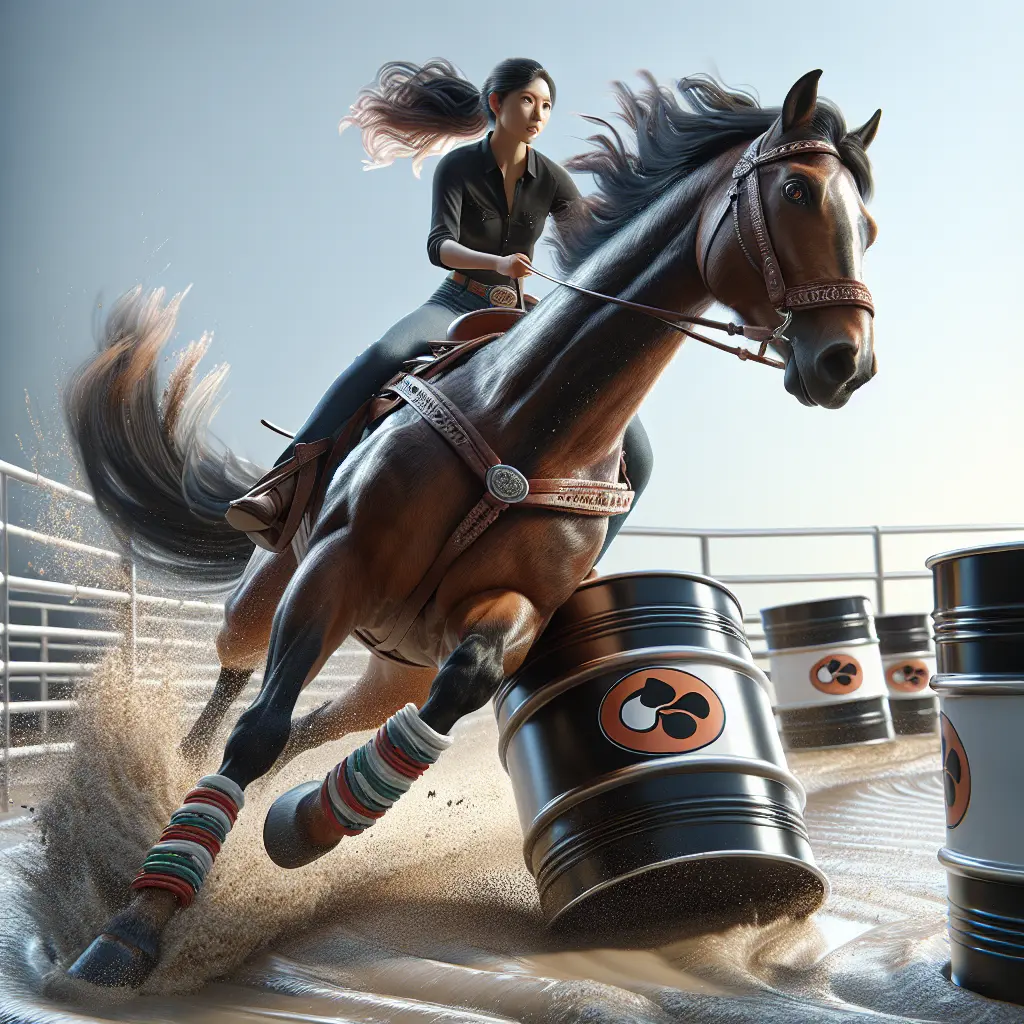
Barrel Racing: Balancing Speed and Equine Welfare
Barrel racing is an exhilarating equestrian sport known for its high-speed action and the adrenaline rush it offers both participants and spectators. However, the sport has been under scrutiny with the question: Does barrel racing prioritize speed over equine welfare? This article explores this issue, seeking a balance between the thrill of the sport and the well-being of our equine partners.
Understanding Barrel Racing
In barrel racing, horse and rider teams race around a cloverleaf pattern formed by three barrels in the fastest time possible. The need for speed and agility is evident, but concerns arise as to whether this is at the cost of the horse's welfare. 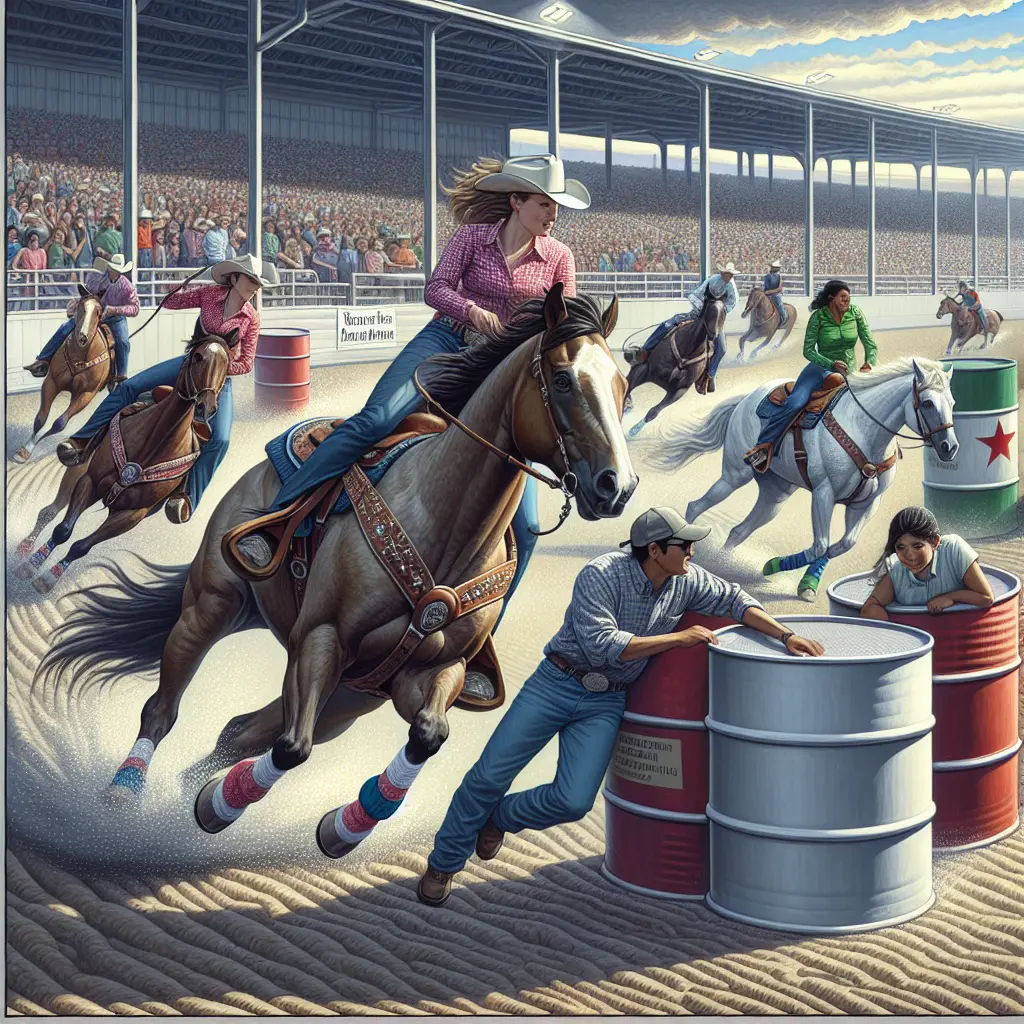
The Role of Speed in Barrel Racing
Speed is the hallmark of barrel racing. Riders aim to complete the course in seconds, often pushing the boundaries of equine athleticism. But how does this emphasis on speed impact the welfare of the horses? A study focusing on physiological stress indicators in horses found that proper conditioning allows horses to manage rapid races without lasting harm. [1]
Equine Welfare in the Spotlight
The well-being of horses has garnered significant attention, prompting scientific investigations into the effects of barrel racing. Research using techniques like infrared thermography and blood biomarker analyses reveal that while horses experience brief physiological changes post-race, such as increased surface temperatures and blood parameters, these normalize quickly. Importantly, critical stress markers like cortisol remain unchanged, indicating that well-conditioned horses suffer minimal stress from racing. [2]
Striking a Balance: Speed and Welfare
Finding balance in a sport focused on speed and competition is challenging but possible. Industry improvements and adherence to welfare guidelines have shown positive outcomes.
Improvements in Event Management
Professional rodeos have made strides in improving safety, boasting an impressive 99.9% injury-free rate for horses. This success is largely due to better facilities, such as padded gates and smoother chutes, and strict regulations on medication and drug use. Such measures ensure that speed does not endanger horses' welfare. [5]
Everyday Care and Long-term Welfare
While race day precautions are vital, sustained welfare depends on holistic management. Attention to nutrition, exercise, rest, and mental well-being across the racing season is essential. Studies indicate that lack of holistic care may lead to subtle stress indicators such as decreased appetite and repetitive behaviors in horses. [3]

The Impact of Rider Behavior
Rider practices significantly influence equine welfare. Research on youth barrel racing highlights a direct link between aggressive riding techniques—such as excessive whipping—and adverse horse responses. These behaviors are not only counterproductive but harmful to equine welfare. Instead, responsible, compassionate riding promotes both well-being and cooperation, ultimately enhancing performance. [4]
Promoting Responsible Riding
Educational initiatives focusing on humane riding techniques can help mitigate harmful practices. Encouraging riders to develop a deeper understanding of their horses' needs fosters a compassionate approach that benefits both animal and rider in the sport.
Practical Advice for Barrel Racing Enthusiasts
For those involved in barrel racing, prioritizing welfare can enhance the experience both for the horse and rider. Here are some recommendations:
Conditioning and Training
Invest in proper training regimens that build the horse's endurance and agility progressively. This approach ensures horses can handle the demands of barrel racing with minimized stress and risk of injury.
Equipping Your Horse for Success
Using the right equipment is crucial. From the right jodhpurs to protective boots, ensure that both rider and horse are equipped with gear that supports performance while safeguarding welfare.
Responsible Event Participation
Select events that prioritize equine welfare through their management practices. Those demonstrating exceptional care towards horse safety and well-being should be preferred.
Attention to Everyday Needs
Adopt a holistic approach to horse care by incorporating quality supplements and a balanced diet, alongside ensuring adequate rest and mental stimulation in and out of the race season.
Conclusion
Barrel racing is an enthralling sport that captivates audiences and challenges participants. While speed is at its core, equine welfare need not be compromised. By implementing best practices in training, event management, and care, barrel racing can preserve its thrilling essence while ensuring the health and happiness of our equine athletes. Let us champion safety as passionately as speed to keep this sport vibrant and ethical.
For more insights, visit Just Horse Riders for a comprehensive range of riding apparel and equestrian supplements.