

Navigating the Challenges and Choices of Finding the Ideal Livery Yard for Your Mare and Foal
Preparing for the arrival of a foal is an exhilarating experience for any horse owner. However, it comes with its own set of challenges, with selecting the right livery yard being one of the most crucial. This decision directly impacts the safety, health, and well-being of both the mare and the newborn. It involves weighing practical considerations like location, facilities, and management against the mare's need for a serene and secure environment.
Key Considerations When Choosing a Livery Yard for a Mare and Foal
Choosing the right livery yard involves a series of critical considerations that ensure a nurturing environment for both mare and foal.
Safety and Environment
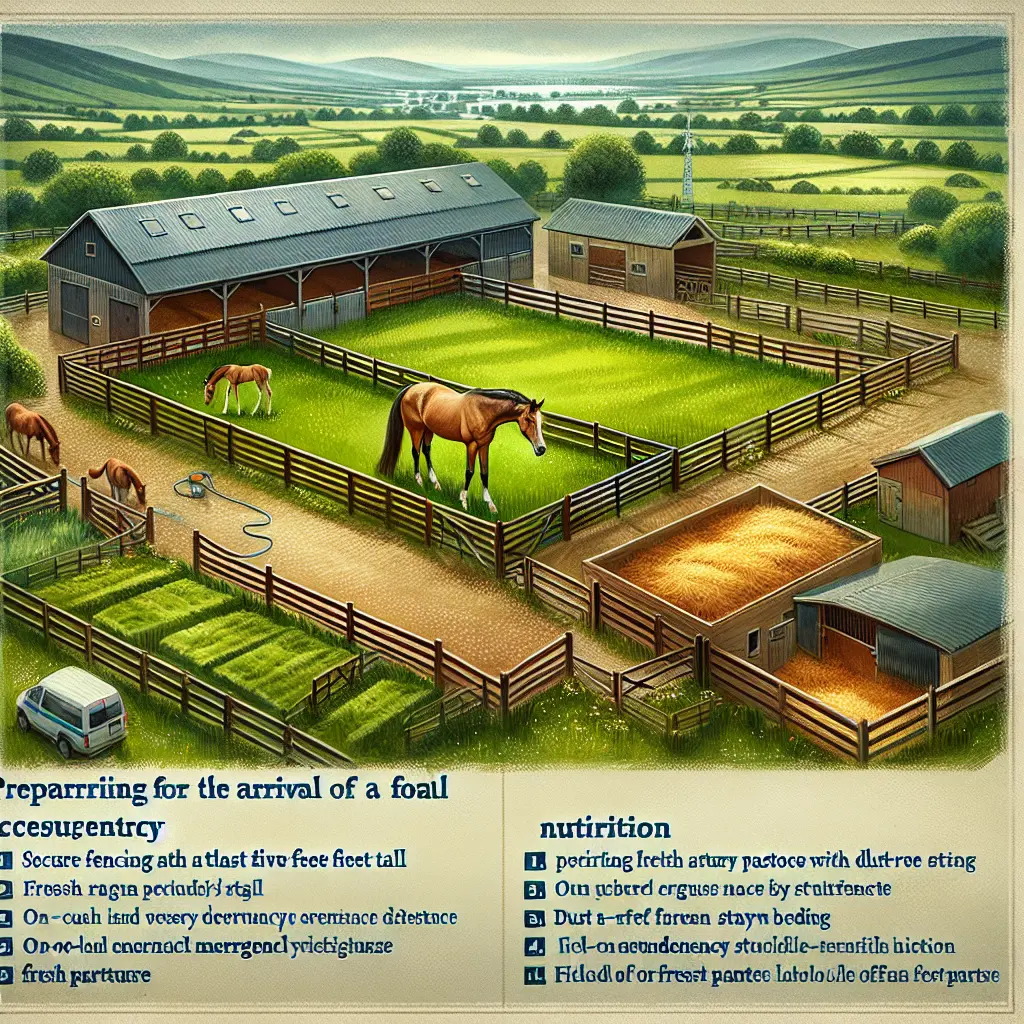
Ensuring a clean, safe, and quiet place for your mare to foal and recover is imperative. A foaling area that offers privacy is ideal, as mares prefer delivering away from disturbances. Where possible, foaling outdoors in a clean grassy pasture is preferred because it provides natural comfort and more space than an indoor stall. The pasture should be free from hazards that may endanger the mare or foal, such as barbed wire or ponds. For an indoor setting, a well-ventilated stall with dust-free straw bedding is crucial. It's important to avoid wood shavings that can lead to respiratory or vaginal infections.
Stress Reduction and Stability
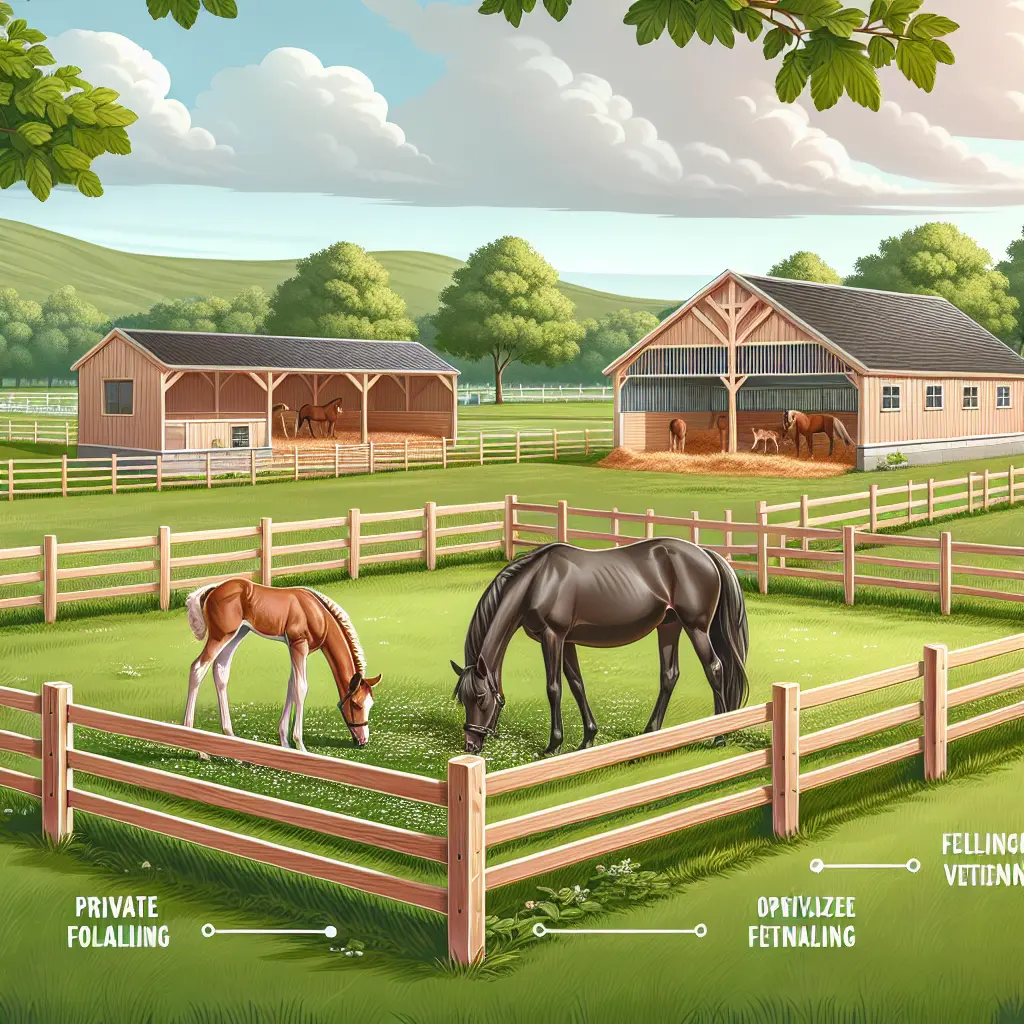
A pregnant mare and her foal are highly susceptible to stress, which can negatively affect their health. A busy livery yard may cause anxiety with its noise and constant activity. Choosing a yard which provides a sheltered environment from loud noises and unauthorized access is crucial. A sectioned-off paddock ensures that the mare and foal can enjoy their space without risks from other horses. Implementing safety measures to prevent unauthorized access, especially by children, adds an additional layer of protection.
Fencing and Space
Secure and appropriate fencing is essential for the safe play and growth of foals. The fence height should be at the mare’s eye level (approximately 5 feet for a 15-hand horse) to effectively contain energetic foals. Using safe fencing materials, such as wood boards or synthetic rails, can prevent injury and ensure safety. Regular maintenance to repair loose rails or sharp edges is also crucial to avoid accidental wounds.
Access to Veterinary Care and Emergency Preparedness
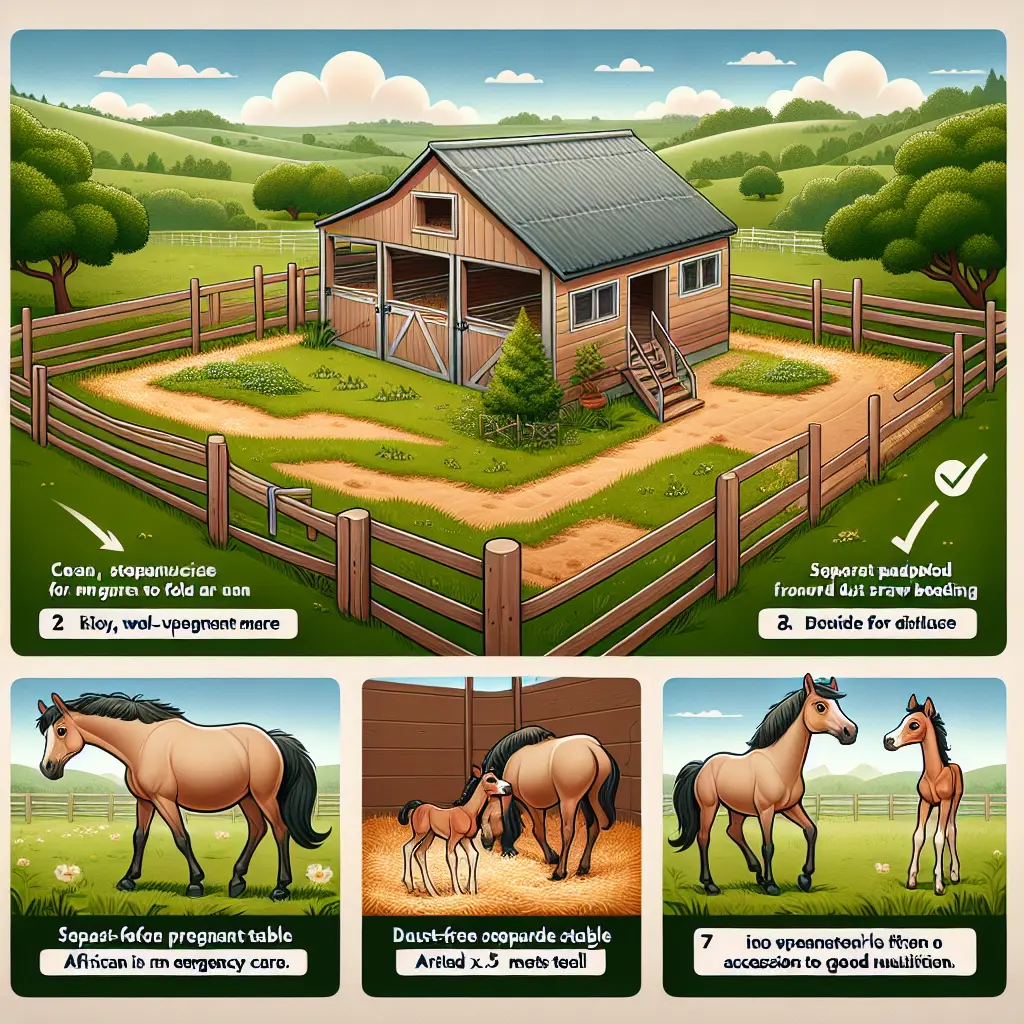
In the event of complications during foaling, having veterinary assistance on standby is essential. Choosing a livery yard in close proximity to a reliable veterinary service, or one offering on-call emergency services, is prudent. Yard staff should be knowledgeable enough to support during the foaling period, enabling timely interventions if needed.
Nutrition and Management at the Yard
Pregnant mares require consistent access to balanced feed and fresh pasture, particularly in the last trimester to support fetal growth. A yard with good pasture management that allows for supplementation with fortified feeds for pregnant mares is ideal. Fresh water, alongside monitoring the mare's body condition, ensures optimal health, preventing complications arising from obesity or undernutrition.
Challenges of Using an Ordinary Livery Yard for Mare and Foal
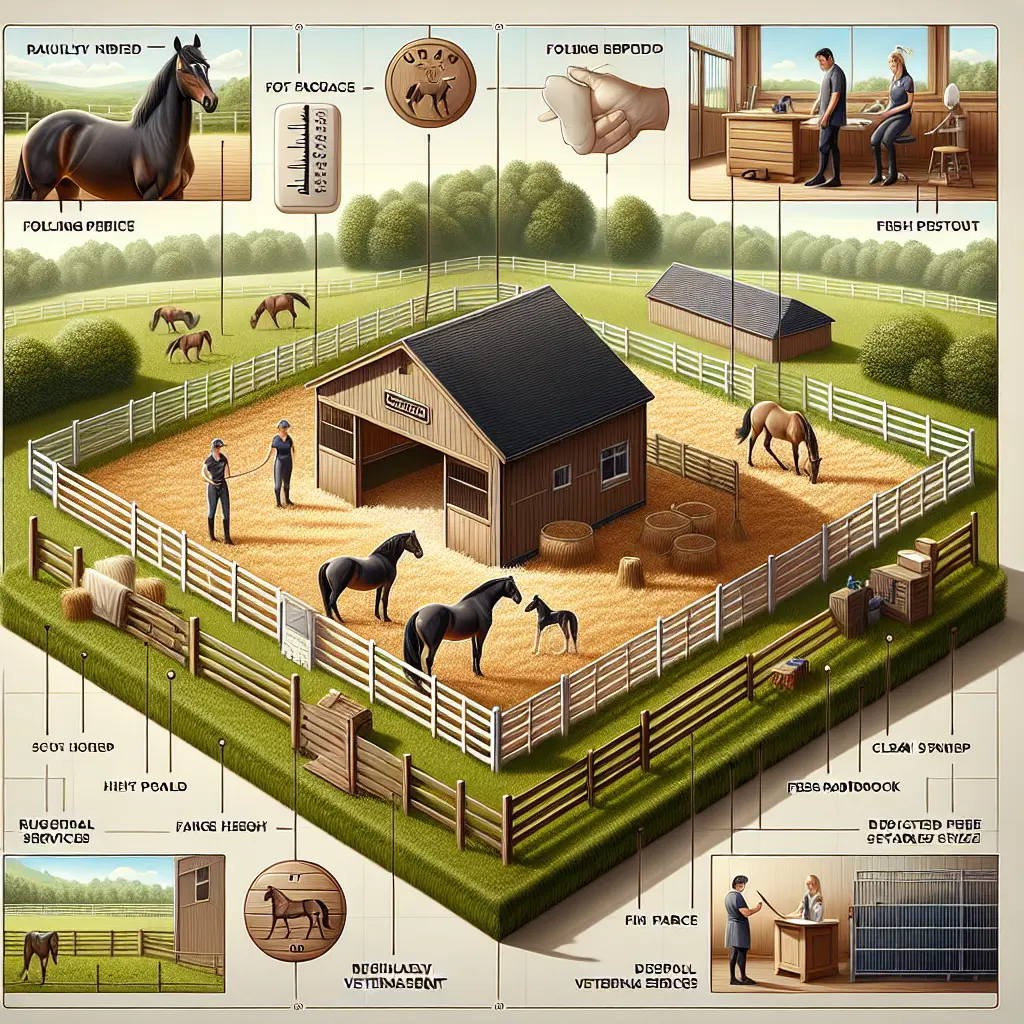
Despite the availability of suitable livery yards, not all of them can cater to the unique needs of a mare and newborn foal. Stress from yard activity, security risks, logistical challenges, and lack of emergency readiness are common concerns. The noise from strangers and other horses could upset the mare. Foals, being curious by nature, could escape or be harmed unintentionally by children or visitors. Additionally, transporting a newborn foal across non-fenced roads or farm lanes could be perilous. The absence of experience or proximity to emergency vets in some yards may also hamper quick assistance during foaling emergencies.
How to Maximize Success
To provide a healthy start for your mare and foal, select a yard willing to set aside a quiet and secure paddock, as well as a separate foaling stable. Developing strong communication with yard owners and managers ensures understanding and support of the special needs involved. Regular inspections of the foaling area for any potential hazards are essential, and maintaining cleanliness is of utmost importance.
Securing appropriate foaling supplies and closely monitoring your mare as she approaches her due date adds another layer of preparedness. Having a detailed foaling plan and accessible emergency contacts will ease any challenges.
Facts and Figures to Keep in Mind
The typical gestation period for mares is between 330 to 345 days, with substantial fetal growth occurring in the last trimester. Fence height should be a minimum of 5 feet tall based on the mare's height to ensure the foal's safe containment, and a suitable stall for foaling should measure about 3.5 x 5 meters to allow comfort. Research supports that newborns in clean, dust-free settings have reduced risks of respiratory diseases and health issues.
Sources for reference and deeper reading: Browse our collections of horse riding equipment and supplements to ensure you have everything needed to support your mare and foal in this new journey.
Conclusion: Providing a Nurturing Environment
By choosing a well-managed livery yard that prioritizes safety, peaceful surroundings, and expert assistance, you gift your mare and foal with a healthy start to life. Ensure you stay informed and proactive, easing the transitions and enhancing the joys of welcoming a new equine life into your family.
Visit Just Horse Riders for a selection of high-quality horse riding apparel and supplements to cater to your every equine need.