

Can Horses Overcome Liver Disease? Exploring Treatment and Recovery Strategies
Liver disease in horses presents a challenging health concern that varies from mild, subclinical conditions to severe, life-threatening liver failure. Amazingly, many horses can recover from liver disease, particularly when it's detected early and appropriate treatments are applied. However, outcomes can differ widely, influenced by the severity, underlying causes, and timing of intervention.

Understanding Equine Liver Disease
Liver disease in horses occurs when some kind of damage or dysfunction affects the liver's capability to function normally. The liver is vital for metabolism, toxin clearance, protein synthesis, and immune responses. Thanks to its large reserve capacity, the liver can often compensate until roughly 70% of its tissue is damaged. Many horses with mild liver injuries show few to no clinical signs and can recover fully if the underlying cause is removed [source].
Clinical Signs and Diagnosis
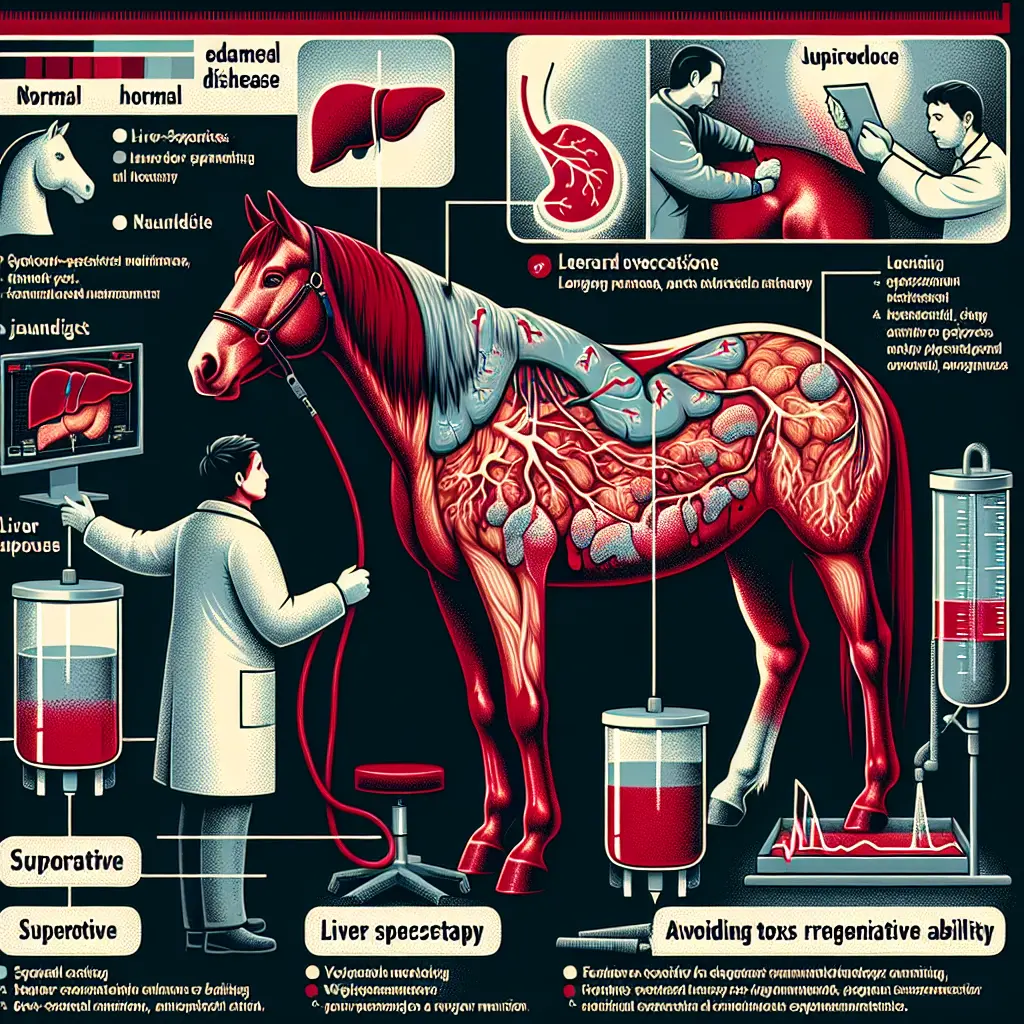
Horses with advanced liver disease or failure may appear lethargic, jaundiced, anorexic, or exhibit weight loss and neurological signs due to hepatic encephalopathy (brain impact by accumulated toxins) [source]. Essential diagnostic tools include:
- Blood tests revealing elevated liver enzymes (e.g., GGT, SDH, AST) and bile acids
- Liver biopsy for tissue damage evaluation and cause confirmation
- PCR tests identifying viral infections such as EqHV
- Ultrasonography for structural liver assessment
Treatment Strategies
Supportive Care
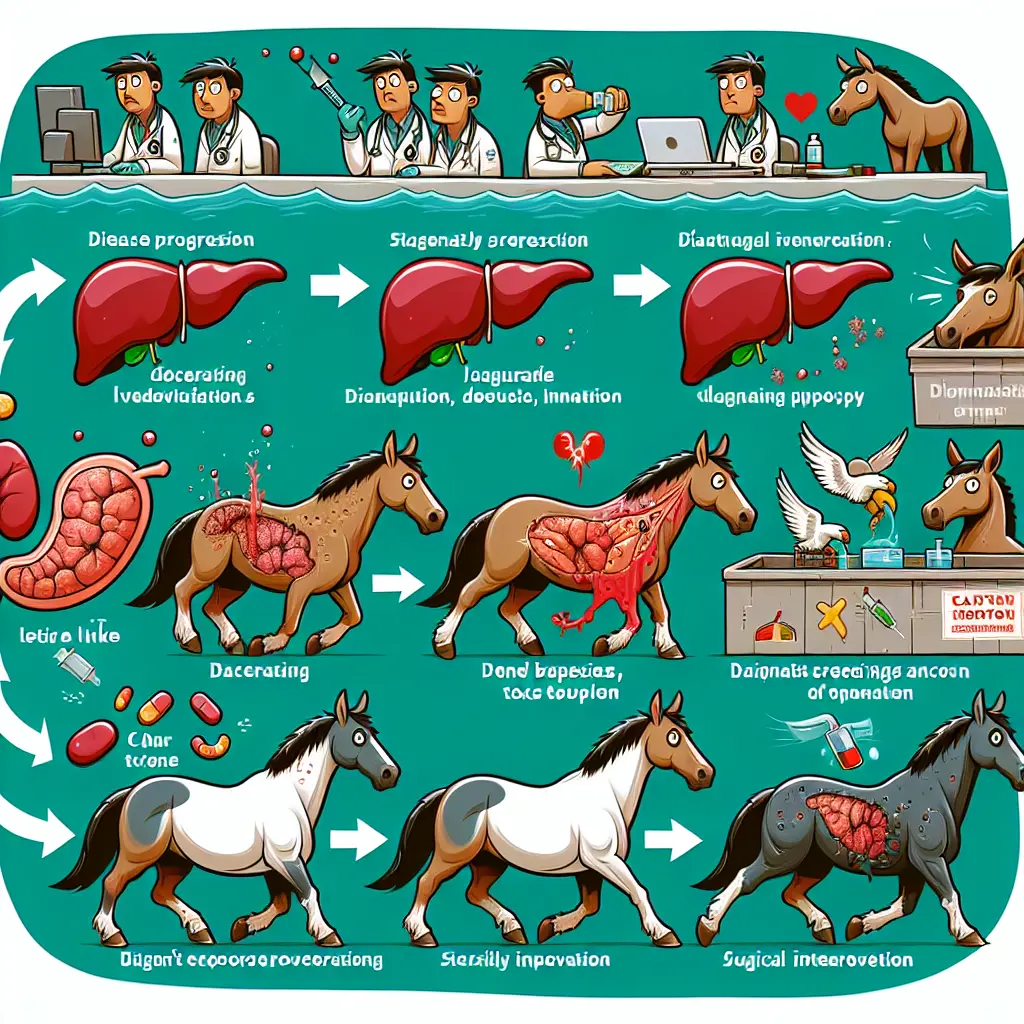
The cornerstone of treatment often involves supportive care aiming to preserve liver function and prevent complications. This includes:
- Administering intravenous fluids
- Correcting electrolyte imbalances
- Providing glucose supplementation
- Nutritional support
Disease-Specific Therapy
If an infection is diagnosed, monitoring viral load with PCR testing can help gauge prognosis. Most horses naturally clear EqHV in weeks without progressing to chronic disease, while rare cases necessitate prolonged care [source]. Horses suffering from toxic liver damage must have the toxic agent removed immediately to prevent further damage.
Long-Term Monitoring
Since some horses might carry subclinical liver disease, regular re-evaluation through blood tests, particularly concerning enzyme activity (like GGT), is crucial. Horses with abnormal liver indicators and no symptoms generally fare better than those with visible clinical signs. Intriguingly, such horses show a 38% less likelihood of long-term survival [source].
Surgical Intervention
For unique cases like a portosystemic shunt, where blood flows around rather than through the liver, surgery can offer significant improvement, successful in approximately 50% of discussed cases [source].
Prognosis and Recovery
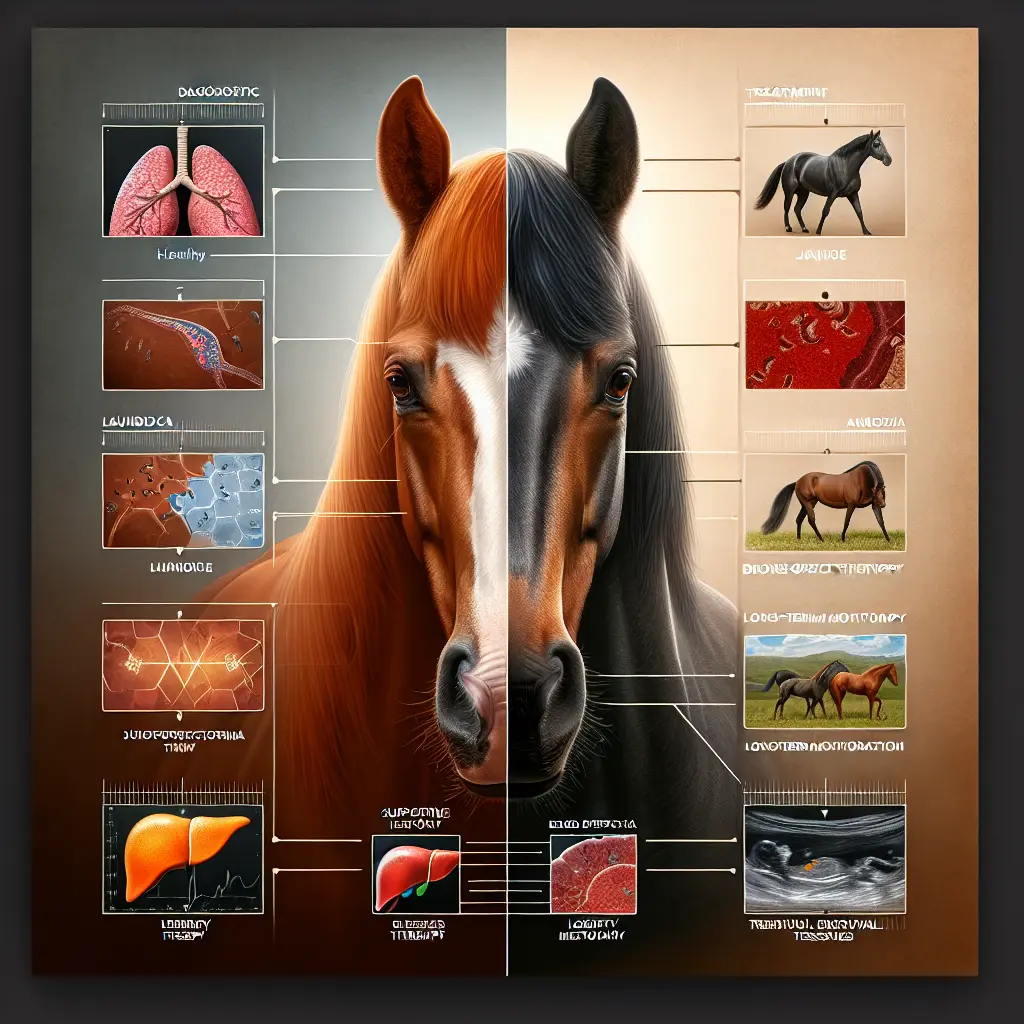
The horse liver's regenerative capacity plays a vital role in recovery. Mild to moderate liver injuries often resolve completely once the root cause is addressed, sometimes with substantial normalization in clinical pathology emerging within months [source]. However, the situation turns bleak if the disease advances to liver failure marked by significant fibrosis and loss of liver function.
Important Considerations
- Elevated liver enzymes alone do not dictate prognosis; greater emphasis is placed on the extent of functional impairment and tissue damage [source].
- Horses with acute toxin-induced liver injury—like Theiler's disease—can fully recover even with elevated bile acid levels.
- The prognosis dramatically worsens if neurological signs manifest or if progressive weight loss develops.
Key Takeaways for Horse Owners
Owners need to be proactive in addressing potential liver issues early on. Subclinical liver diseases discovered through routine check-ups tend to have more favorable outcomes. Veterinary evaluations that include blood tests for liver enzymes and bile acids are paramount, especially in herds where liver disease incidence is noted [source].
Implementing Best Practice
Adhering to veterinary guidance for extended treatment and monitoring is crucial, as recovery might span several months. Circumstances allowing, removing or avoiding toxins and infectious agents plays a significant part towards recovery, while severe liver disease requires rigorous supportive care and managing complications like hepatic encephalopathy to ensure survival.
Authoritative Sources to Consult
- Auburn University College of Veterinary Medicine’s Liver Disease Primer provides in-depth case studies and treatment strategies.
- TheHorse.com hosts insightful pieces on equine hepacivirus infections and recovery rates [source].
Incorporating recent veterinary research that underscores the importance of liver function, diagnostic markers, treatment methods, and practical prognoses can empower horse owners and practitioners alike to understand equine liver disease better. Building on early detection and customized equine veterinary plans, many horses can overcome liver disease and return to good health.