

Understanding Freelance Horse Riding Service Rates: A Comprehensive Guide
Horse riding, an elegant and dynamic activity, requires expertise and care. For those delving into hiring or working as freelance horse riding instructors or trainers, understanding the financial landscape is crucial. Here, we explore the going rates, factors influencing these costs, and insights into the broader equine services market.
The Average Hourly Rates for Freelance Riding Instructors and Trainers
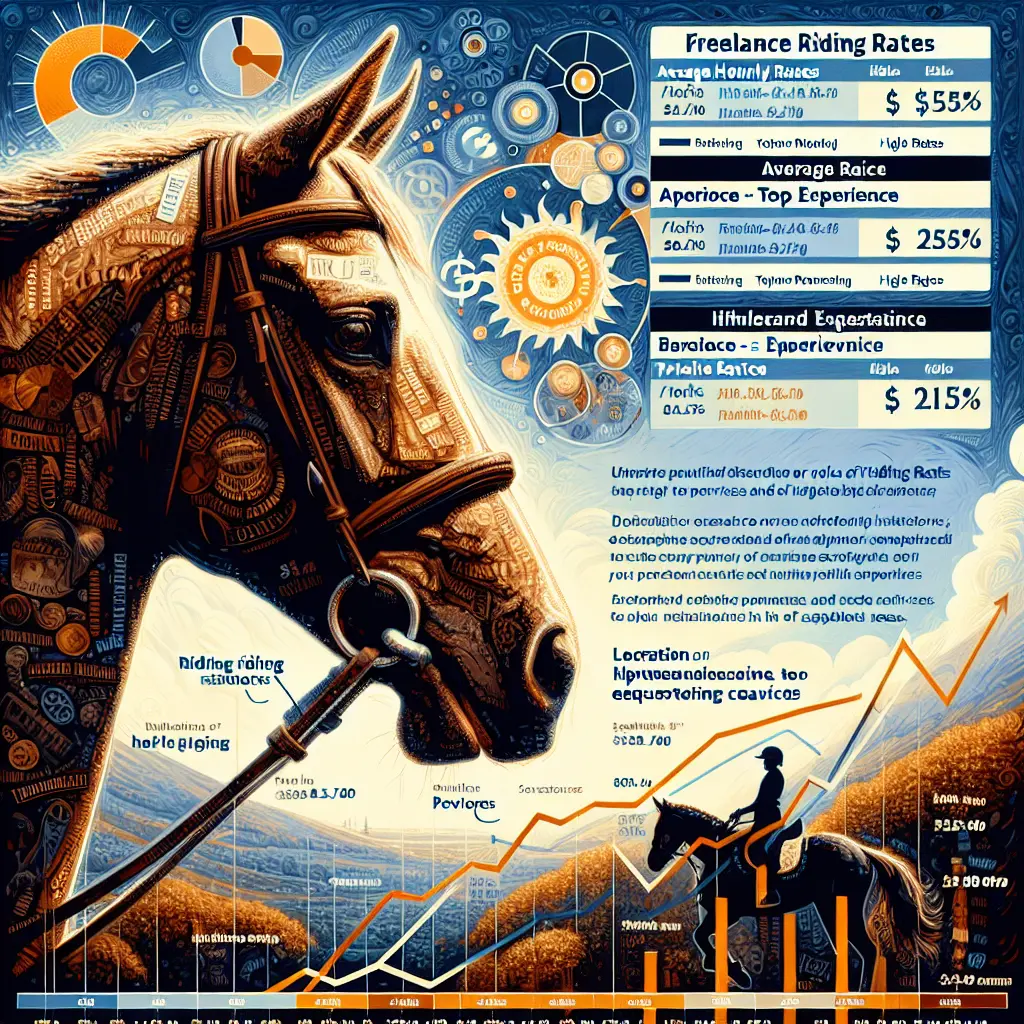
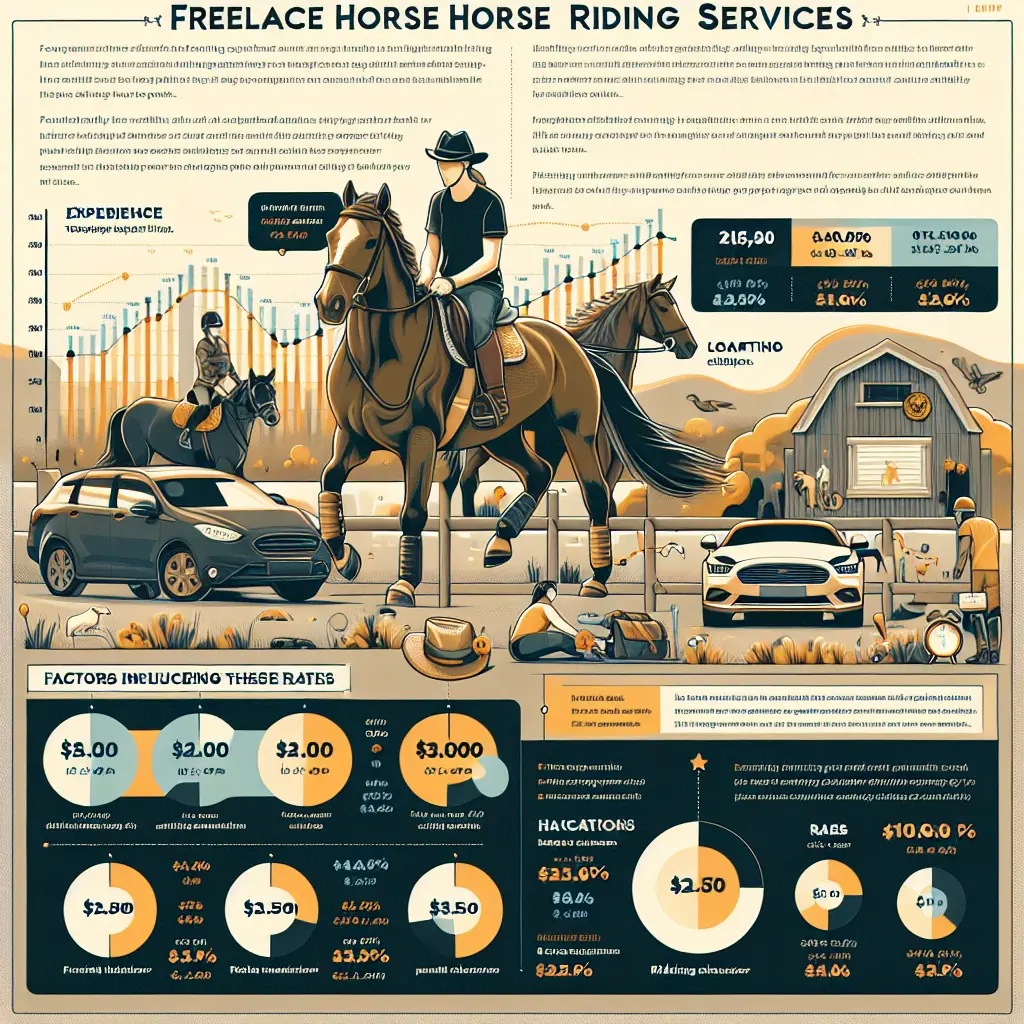
In the United States, freelance horse riding instructors typically earn between $14 and $40 per hour. The average hourly pay stands around $16.22, but this can vary widely based on expertise and location. It's interesting to note that some instructors in affluent areas command up to $27.64 per hour or more [Source]. For UK instructors, particularly those providing private lessons, rates hover around £50 per hour [Source].
What Factors Influence These Rates?
Experience and Certifications: The credentials a trainer holds can significantly impact their rates. Specialized certifications, such as PATH or competitive credentials, often justify higher fees. Prospective clients value these qualifications, seeing them as assurance of quality and safety.
The Importance of Location
Location is a major determinant of service costs. For example, horse instructors in Pennsylvania average a rate of $27.59 per hour, with yearly earnings ranging widely from $11,528 to over $107,000 [Source]. Suburban and rural areas might see lower rates compared to bustling urban locales where the demand and standard of living are higher.
Service Offerings: What Do They Include?
Service Offering scope also varies, impacting pricing structures. Private lessons, competitive coaching, or therapeutic riding programs each have unique costing. Whether it’s fine-tuning for a competition or basic riding lessons, knowing the desired service helps in setting or understanding pricing.
The Venue and Travel Considerations
Venue and Travel factors can increase prices. Instructors traveling to private stables or homes often include travel fees or higher rates to account for the travel time and expenses.
Freelance Roles Beyond Instructors
The horse industry is rich with other freelance roles, such as grooms and stable workers. While these roles offer flexible contract options, their physically demanding nature typically means they earn less than instructors. However, these roles are indispensable for the smooth running of equine facilities [Source].
Equine Industry Trends and Market Outlook
The equine industry is robust and growing. More trainers are choosing freelance work for its flexibility and the opportunity to provide customized, high-quality services. This shift fuels a trend of increasing rates, as specialized services in high demand often command premium prices.
Adapting Rates to Market Demands
For both horse riders and instructors, understanding market trends is vital for setting competitive prices. By comparing local rates, considering instructor credentials, and anticipating travel costs, both clients and service providers can establish equitable terms that reflect service value and quality.
Setting Sustainable Rates for Services
Practical advice for freelancers includes regularly reviewing and adjusting their rates to remain competitive while sustaining their service quality. Having clear, transparent pricing helps build trust and ensure that services are valued appropriately by clients. For potential clients, understanding these factors can guide them in choosing the right service provider.

Conclusion: Navigating the Equine Service Market
In a nutshell, freelance horse riding service rates are shaped by a mixture of factors, each contributing to the overall cost. Understandably, each service type brings its unique pricing considerations. As the industry continues to evolve, keeping abreast of these dynamics helps ensure fair and valuable horse-riding experiences. Whether you're seeking to enhance your equine adventures with the right equipment or simply eager to explore the field's rich career possibilities, embracing knowledge can make all the difference.