

Introduction
Choosing the right bit for a horse with a sensitive tongue is a critical decision that can significantly impact the horse's comfort and responsiveness. Understanding how different bits affect the tongue pressure, alongside recognizing signs of discomfort, can guide riders in making informed choices. In this comprehensive guide, we will explore the best bit options for tongue-sensitive horses, backed by expert insights, scientific understanding, and practical recommendations.
Why Is the Tongue So Sensitive?
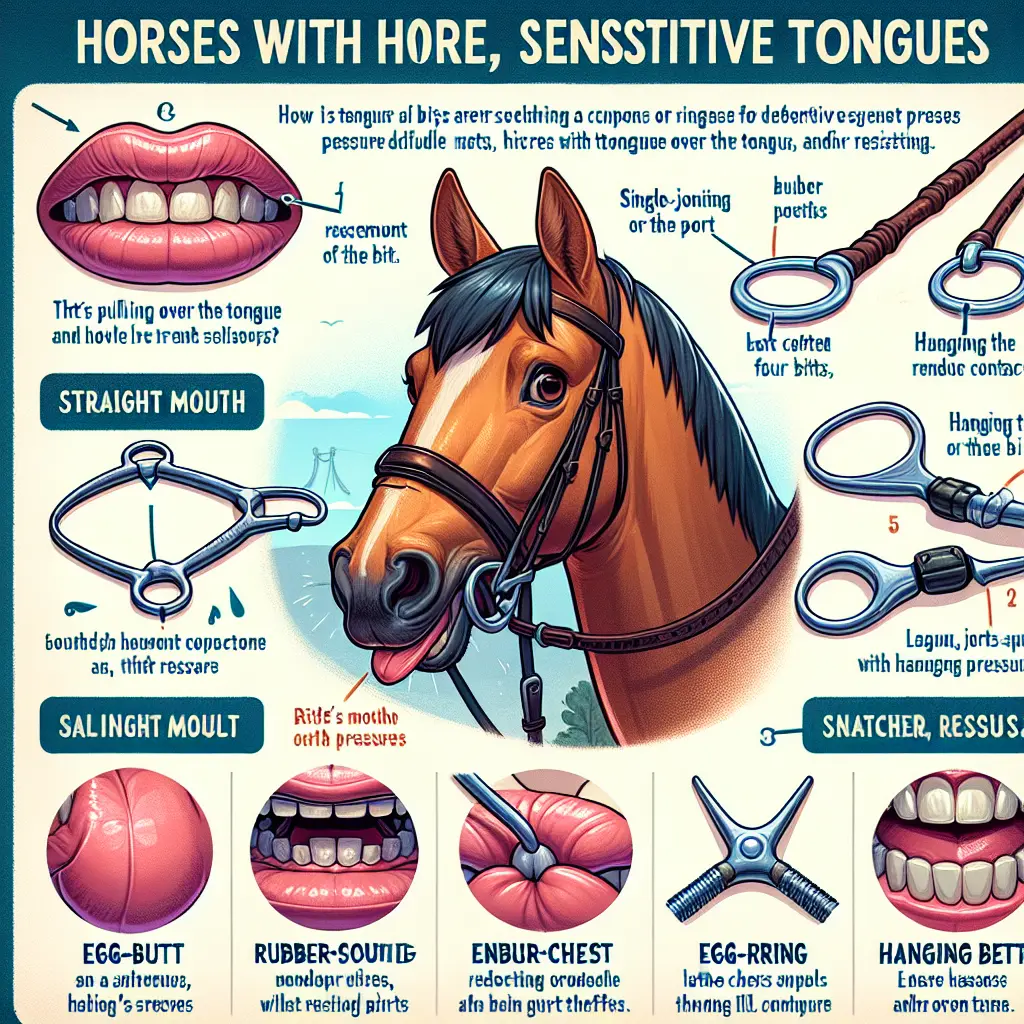
The horse’s tongue is a highly sensitive organ composed of over a dozen muscles, making it incredibly flexible and responsive to pressure. It typically bears more pressure than the bars, especially when bits don't provide adequate tongue relief or when heavy-handed riding occurs. Recognizing signs like pulling the tongue over the bit, excessive chewing, or resisting transitions can indicate sensitivity issues.
How Do Bits Affect Tongue Pressure?
Various bits distribute pressure differently, impacting how the horse experiences the bit. Understanding the mechanics can help riders opt for an appropriate bit.
Straight Mouth Bits
These bits apply even pressure across the tongue but may not provide enough relief for all sensitive horses.
Single-Jointed Bits
These can create a "nutcracker" effect, potentially pinching the tongue and pressing against the palate.
Double-Jointed Bits
Double-jointed options reduce the nutcracker effect, spreading pressure more evenly and offering some relief.
Bits with Tongue Relief
Specifically design to reduce tongue pressure, allowing for relaxation and comfort.
Best Bit Options for Tongue-Sensitive Horses

Bits with Tongue Relief
Offering ample space for the tongue, these bits are suitable for horses showing signs of overreacting to pressure. Their design enhances comfort and promotes ease of communication between rider and horse.
Bits with a Port
Ports provide a raised space in the center of the bit, reducing direct tongue pressure and facilitating free movement. According to experts, larger ports might benefit horses with particularly sensitive tongues.

Rubber or Plastic-Coated Bits
These softer materials offer warmth and comfort, ideal for sensitive-mouthed horses. However, they may not suit horses with smaller mouths due to potential bulkiness.
Leather Mouthpieces
POPULAR for their natural softness and flexibility, leather bits conform to a horse’s mouth and are well-accepted by horses with a history of mouth injuries.
Eggbutt or D-Ring Snaffles
These bits provide stability, preventing side-to-side motion, which can be reassuring for sensitive horses and reduce the risk of pinching.
Hanging Cheek (Baucher) Bits
Known for removing poll pressure, these bits position higher in the mouth, offering relief to both the tongue and bars.
How to Choose the Right Bit for Your Horse
Finding the perfect bit is not a one-size-fits-all process. Consider your horse's mouth conformation, observe behavior, try varying bits to prevent sensitivity, and ensure a proper fit. Consistent observation and consultation with a bitting expert can also be exceptionally beneficial.

Expert Recommendations and Real-World Experiences
Many riders have found success with bits such as the Sprenger Novocontact and Dynamic RS, which are well-regarded for their gentle action. According to the HorseBitBank blog, leather and plastic-coated options are among the best choices for sensitive horses.
Conclusion
Choosing the best bit for tongue-sensitive horses involves understanding individual needs, observing behavior, and ensuring a proper fit. By selecting the right bit, riders can enhance their horse’s comfort and responsiveness, fostering a better partnership. Remember, patience and willingness to experiment are key in finding the optimal solution. Explore a diverse range of collections and enjoy a rewarding riding experience.