

Exploring the Efficacy and Cost-Benefit of CBD Oil for Equine Behavior Management
As horse owners increasingly seek out natural supplements to improve the wellbeing of their equine companions, Cannabidiol (CBD) oil has stood out for its potential to manage behavioral issues. Endorsed for alleviating anxiety, stress, and pain, the popularity of CBD oil continues to rise among equine enthusiasts.
The aim here is to delve into the scientific evidence backing CBD's benefits, its safety profile for horses, and its value proposition for equine behavior management—resonating with companies like Just Horse Riders that provide comprehensive solutions for horse care.
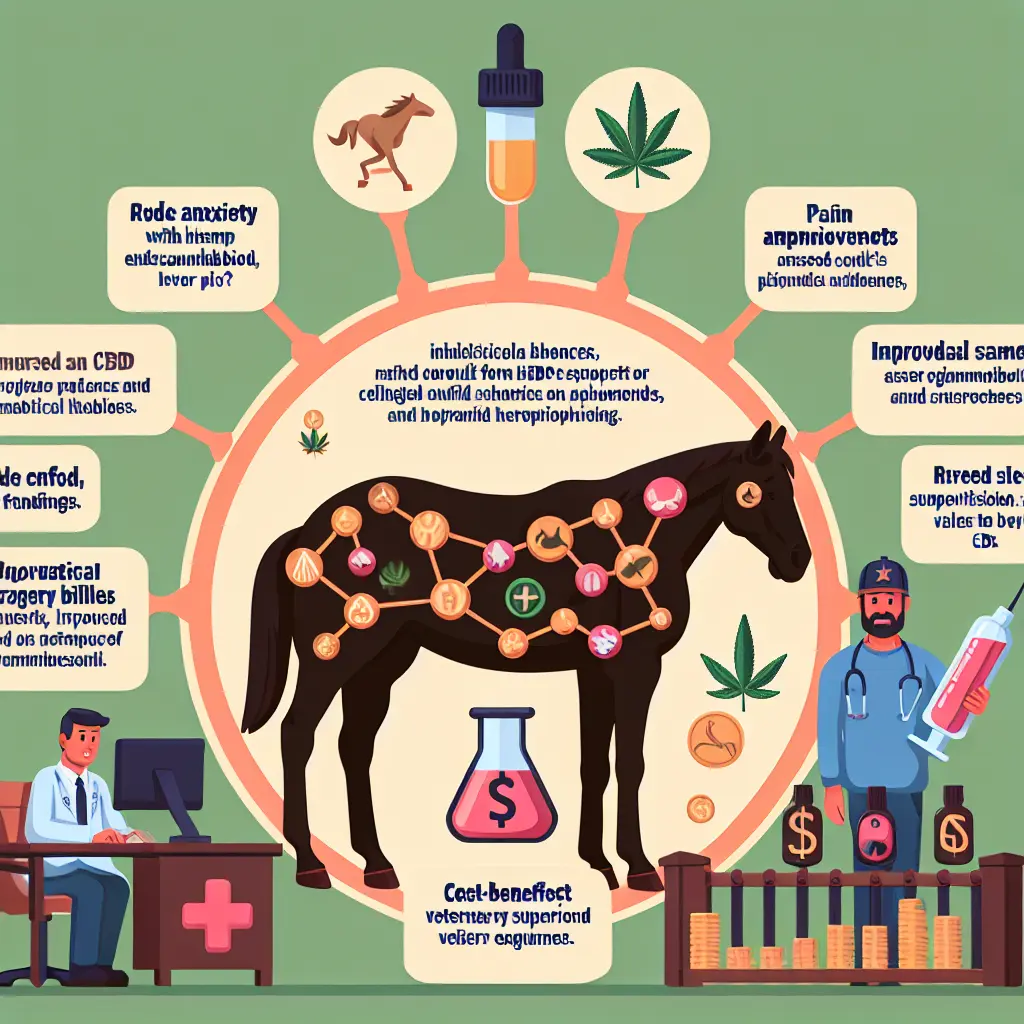
Understanding CBD Oil and Its Mechanism in Horses
CBD is a non-intoxicating compound derived from the hemp plant. It interacts with the endocannabinoid system (ECS), a regulatory network present in all mammals, including horses. Through modulation of neurotransmitter activity, CBD is believed to reduce anxiety, relieve pain, and promote muscle relaxation—essential for managing equine behavioral troubles.
This approach is increasingly relevant in equestrian circles; however, safety, legality, and efficacy remain points of active discussion.
Scientific Insights into CBD's Impact on Equine Behavior and Pain
Research on CBD's application in equestrian settings is relatively nascent compared to human studies, yet existing veterinary trials provide promising results:
- A 2021 study recorded in the *Journal of Veterinary Behavior* found that horses receiving 100 mg of CBD daily showed reduced anxiety and behavioral reactivity.
- Another trial observed significant pain relief and behavior improvement in a mare, treated with 250 mg of CBD twice daily, within just 36 hours.
- The corticosteroid CBD study in mature arthritic horses reported reduced heart and respiratory rates, along with improved pain scores.
Safety evaluations conducted by Colorado State University noted that doses of up to 2 mg/kg were well-tolerated with few adverse effects. However, transient liver enzyme elevation was noted in a subset of subjects, indicating the need for veterinary oversight.
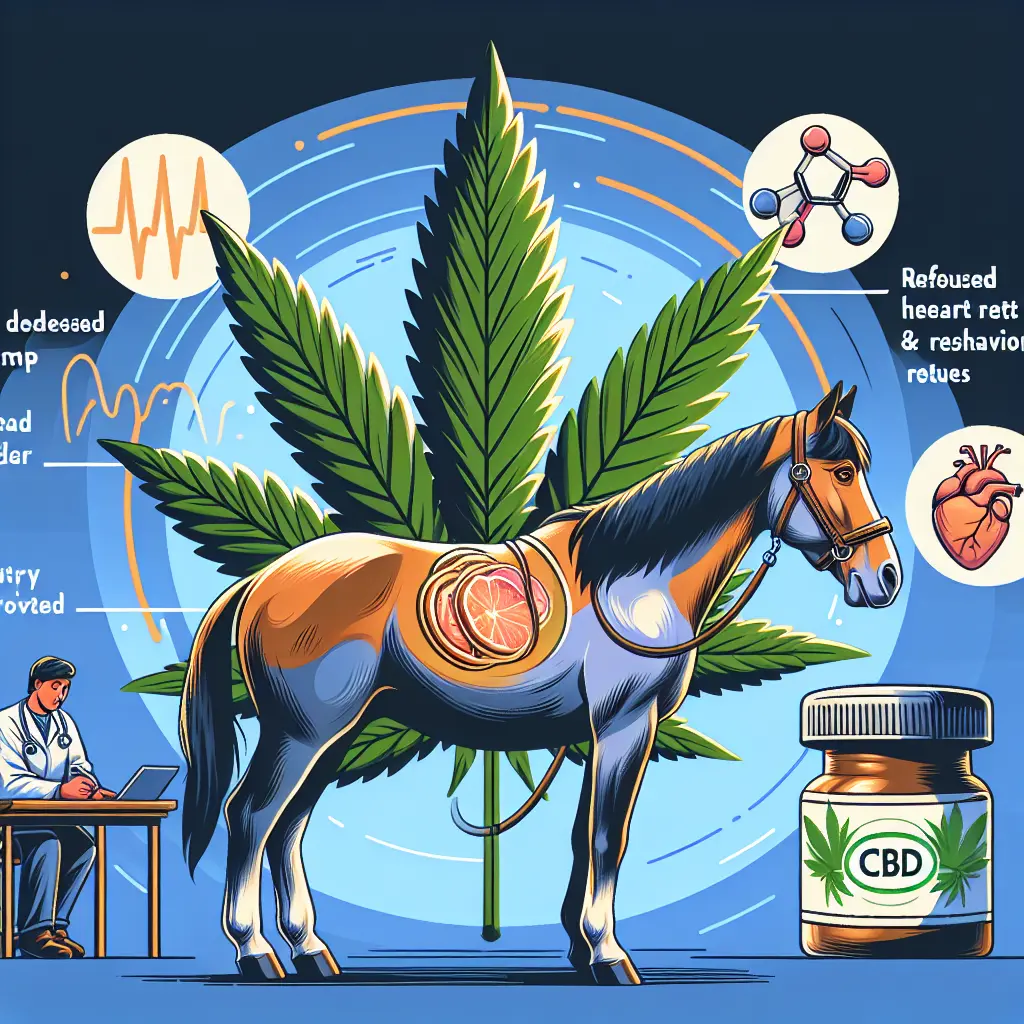
The Cost-Benefit Analysis of CBD Oil for Horse Owners
Understanding the economic and therapeutic implications of CBD oil in equine care is crucial:
Efficacy and Safety
CBD's ability to significantly reduce anxiety and pain-related behaviors without major adverse effects presents a compelling low-risk intervention for many horse owners.
Variety and Dosage Concerns
CBD products vary widely in concentration and purity, impacting both the efficacy and cost:
- A 40-gram supplement with 100 mg CBD offers a useful dosage reference.
- Pricing is contingent on product quality, ranging from moderate to premium.
Legal and Veterinary Considerations
While CBD is gaining traction in veterinary applications, it remains prohibited in some equestrian competitions, limiting its use in competitive settings.
Overall Holistic Benefits
CBD is not only useful for behavior management; many users report improved sleep, comfort, and reduced inflammation, potentially cutting down on veterinary expenses and reducing the need for harsher medications.

Practical Guidance for Horse Owners
Consultation and Product Selection
It's advisable for horse owners to consult with veterinarians seasoned in equine CBD use to ensure proper dosing and product selection, particularly to avoid interference with sports regulations and to monitor liver health.
Selecting Quality CBD Products
Opt for high-quality, third-party tested CBD products designed specifically for equines:
- These products mitigate safety concerns and potency issues, providing peace of mind.
Begin with a low dosage and closely monitor any behavioral or physiological changes. Adjustments may be necessary based on individual responses and side effects.