

Why Horses Get Energetic and Unpredictable in Changing Weather
Have you ever observed your horse acting a little frisky or unpredictable when the weather shifts? Don't worry; you're not alone. Many horse owners notice these behavioral changes during seasonal transitions. The science behind this phenomenon is intriguing, and understanding it can help you manage your equine friend more effectively, ensuring safety during weather transitions.
Understanding the Science Behind Weather-Related Behavior Changes
The impact of weather on horse behavior involves complex physiological, hormonal, and behavioral responses. Horses are remarkably sensitive to atmospheric changes, and these changes can affect their temperament.

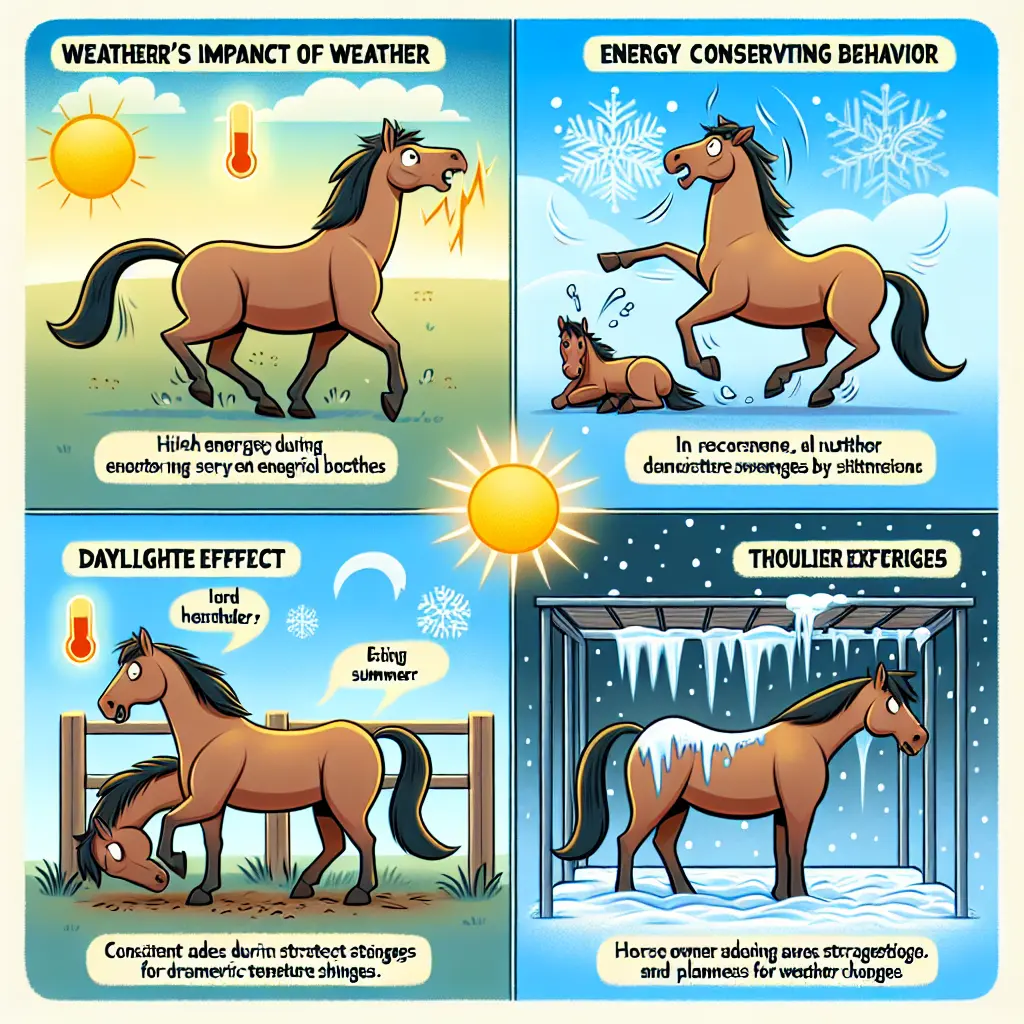
Temperature plays a pivotal role in horse behavior. Research suggests that uncomfortable conditions—like temperatures above 79°F with high winds—can lead to adverse behavioral changes[1]. In cold temperatures, horses tend to conserve energy by seeking shelter and reducing their activity[9]. Yet, the notion that horses seem frisky in winter may actually stem from other factors.
The Real Reason Horses Get "Frisky" in Cold Weather
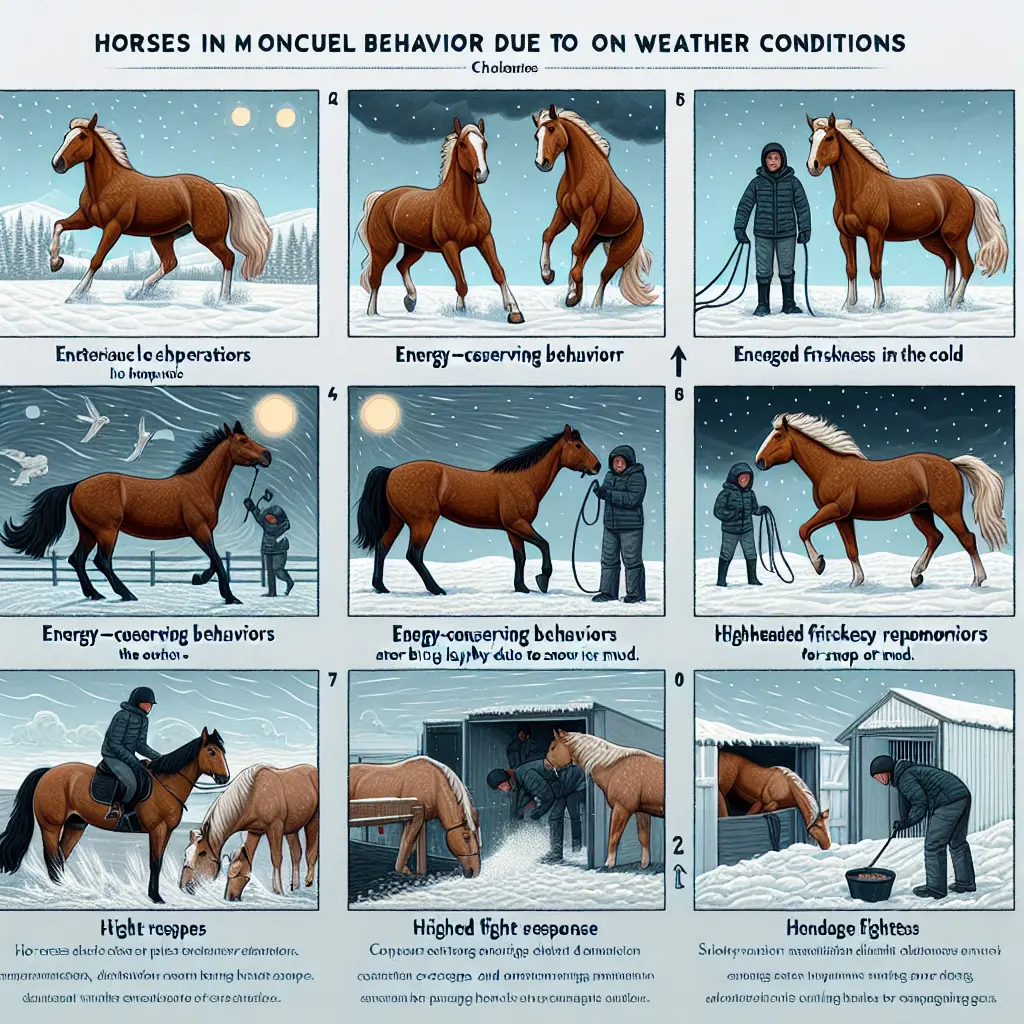
The perception of increased energy during cold weather often arises from management changes rather than the cold itself. Winter often limits outdoor activity due to snow and muddy conditions, leading to confined and energetic horses[9].
Atmospheric changes—such as storms—also heighten alertness in horses, prompting natural responses. While some horses enjoy weather changes, individual personalities and genetics play a significant role in this varied reactivity[9].
How Daylight Changes Affect Behavior
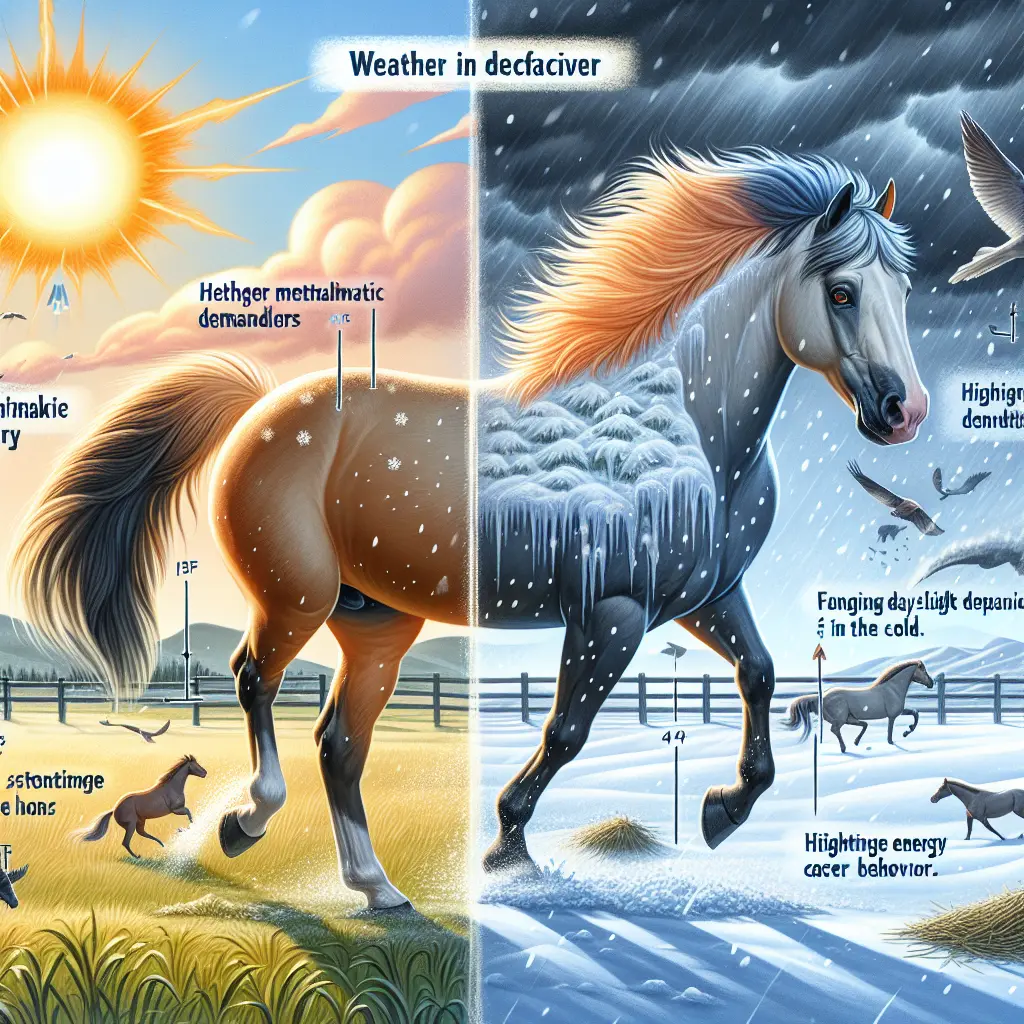
Daylight duration, a key factor affecting horse behavior, impacts horses' circadian rhythms. As days grow longer or shorter, horses adjust feeding, energy levels, and overall behavior[3].
For instance, in spring, the increased daylight prompts more active and energetic behavior. As winter approaches, horses naturally become more lethargic—a noticeable natural adjustment.
The Impact of Extreme Weather and Temperature Swings
Horses encounter challenges with dramatic temperature swings. Fluctuations in temperature, like a warm day turning into a cold night, are notorious for triggering colic[7]. Stress from rapid temperature changes can alter behavior, making horses more alert or unpredictable.
Nutritional and Metabolic Demands in Cold Weather
Cold weather places extra stress on horses' metabolic processes, requiring more energy to maintain body temperature. This heightened demand for calories must be met with an appropriate diet, or else horses risk weight loss and dietary deficiencies[4].
Monitoring your horse's weight in late summer and adjusting their diet ensures this balance, preventing complications during cold months.
Managing Your Horse During Changing Weather
Maintain Consistent Exercise and Movement
Keeping horses active, even through minor movements in turnout areas, promotes gut health and mental well-being[7]. Consistent exercise prevents pent-up energy and reduces behavioral issues.
Monitor and Adjust Nutrition
Begin tracking your horse's weight early and adjust calorie intake to meet cold-weather demands[4]. Using tools like weight tapes helps catch early signs of weight loss.
Account for Behavioral Changes Related to Daylight
Adjust feeding and exercise routines as seasons change[3]. Recognize shifts in activity levels as natural adjustments rather than training challenges.
Provide Appropriate Shelter and Hydration
Ensure accessible shelter during extreme weather and maintain consistent water availability[2]. Dehydration can exacerbate health and behavioral issues during winter.
Plan Ahead for Extreme Weather
Preparing for significant weather changes helps safeguard your horse's physical and mental health[8]. Prioritize shelter, adjust hay rations, and plan moderate activity around stable weather periods.
Conclusion
Horses' unpredictable nature during weather changes is influenced by environmental and physiological factors. Understanding these root causes enables informed management strategies, helping horses remain calm, healthy, and safe. Remember, your horse isn't being difficult—they're adapting to their surroundings!