

Exploring Equine Adventures: A Weekend of Training, Challenges, and Triumphs
Stepping into the world of horseback riding is more than just a hobby—it's an immersive experience that combines physical conditioning, mental resilience, and the profound bond between rider and horse. Whether you're a weekend warrior at your local stable or an aspiring competitor, understanding the fundamentals of equine training can transform your riding experience from ordinary to extraordinary. This guide explores the real challenges and triumphs that riders encounter during their equestrian journeys, backed by evidence-based training principles and practical insights.
Understanding the Equestrian Experience
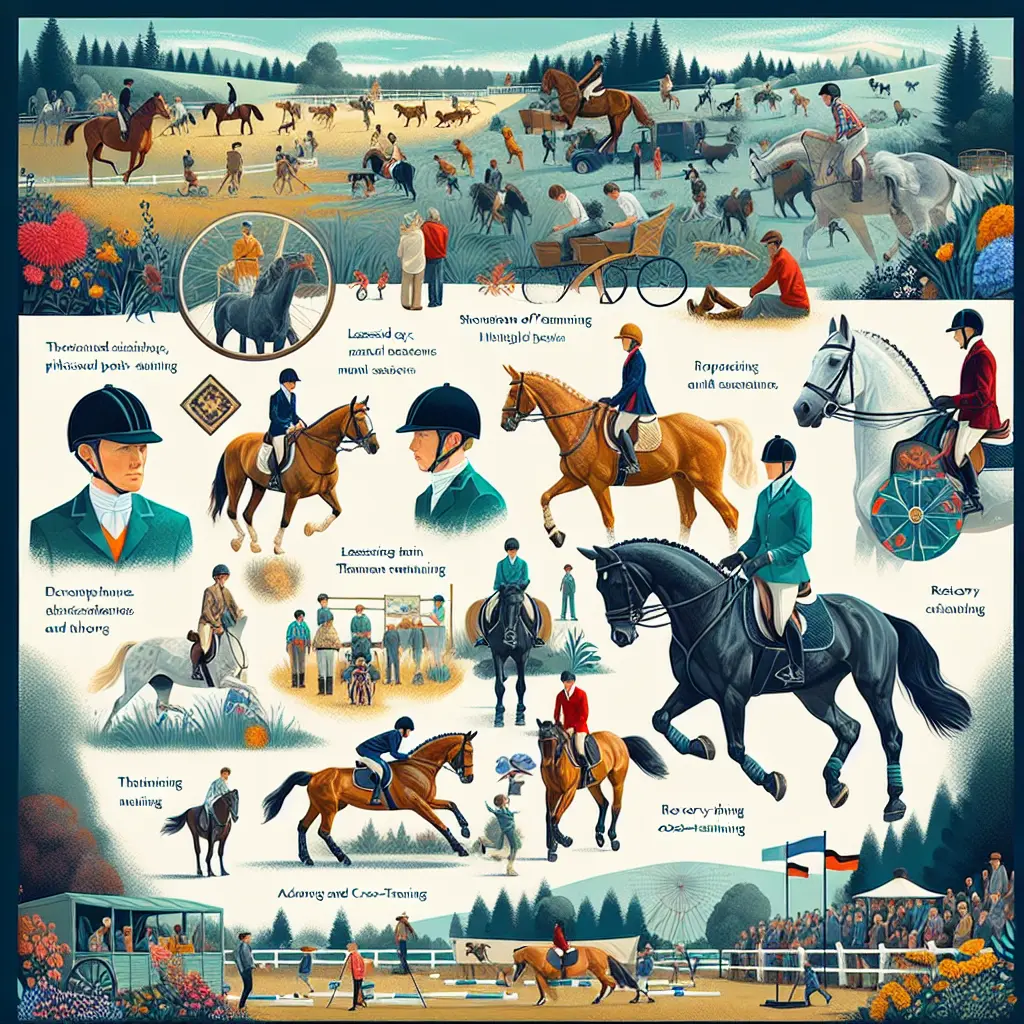
When you first arrive at a riding facility, you're entering a world that engages all your senses. The scent of hay and horses, the sound of hooves on arena footing, and the feeling of wind against your face create an atmosphere unlike any other sport or recreational activity. For many riders, this sensory immersion becomes addictive—a refuge from daily life and a space where personal growth happens one ride at a time.
The equestrian industry represents a significant economic force in North America. The total economic impact of the horse industry in the United States alone is $177 billion, creating 2.2 million jobs.
Building Your Training Foundation
The Importance of Structured Training Schedules
Successful horsemanship begins with consistency and structure. A well-designed training schedule balances intensity with recovery, allowing both horse and rider to progress systematically while minimizing injury risk. Research on training protocols demonstrates that strategic planning yields measurable improvements in performance and fitness.
- Lesson days dedicated to instruction and focused skill development
- Serious flatwork sessions where riders review and refine techniques
- Active recovery days involving light hacking or turnout
- Cross-training activities that develop different skill sets
This variation approach mirrors principles used by professional trainers. For instance, a hunter/jumper trainer might structure a week so that a student rides seriously two or three times per week, incorporates jumping once during a lesson, spends another day on flatwork, enjoys one hacking day, and allows two full days of turnout for the horse.
Exercise Duration and Intensity
The amount of time you spend training matters less than how you structure that time. Research on young horse conditioning shows that preparatory exercises for dressage typically range from 40 to 80 minutes, performed six times per week, with intensity individually adjusted based on each horse's needs. However, this doesn't mean every session requires maximum effort.

A practical approach combines different intensity levels within the same week. Your schedule might include moderate intensity resistance work on certain days, high-intensity strength efforts on others, and long, slow distance work for aerobic development. This varied approach helps horses develop cardiovascular fitness while maintaining enthusiasm for their work. The key principle is that forced exercise bouts should occur at minimum every other day, with ideally more frequent, shorter sessions, especially for young horses that may fatigue quickly.
The Reality of Equestrian Pursuits
Demographic Insights
Understanding who participates in equestrian activities reveals the diversity of the community. Survey data shows that among participants in equestrian activities, the median age was 22 years old, with 38% of non-owner participants being children under 18 years of age. This indicates a healthy pipeline of new riders entering the sport, ensuring the equestrian community's vitality for future generations.
Common Challenges Riders Face
The equestrian journey isn't without obstacles. Riders frequently encounter challenges including behavioral issues with their horses, difficulties with specific skills like loading or trailer loading, and the physical demands of conditioning both themselves and their mounts. Forums and online communities buzzing with questions about schooling problems attest to the reality that every rider faces moments of frustration.
Beyond skill challenges, the equestrian world faces broader structural issues. The number of new graduates entering equine veterinary practice has declined significantly. From a high of 5.7% in 2003, this number fell to just 1% in 2019, though it rebounded slightly to 1.4% in 2020 and 2021. Additionally, approximately 50% of new veterinary graduates who were AAEP members allowed their memberships to lapse within five years of graduation. This shortage underscores the importance of maintaining good relationships with knowledgeable equine professionals.
Triumphs: When Training Meets Results
The Physical and Mental Connection
The profound rewards of equestrianism emerge when training and dedication converge. Riders consistently describe the indescribable feeling of connection with their horses—the bond forged through hours of work, the trust established through consistent handling, and the exhilaration of executing a perfect movement or completing a challenging course. The sensation of "feeling the bond and the wind in your face with one of these creatures" becomes an unforgettable milestone.
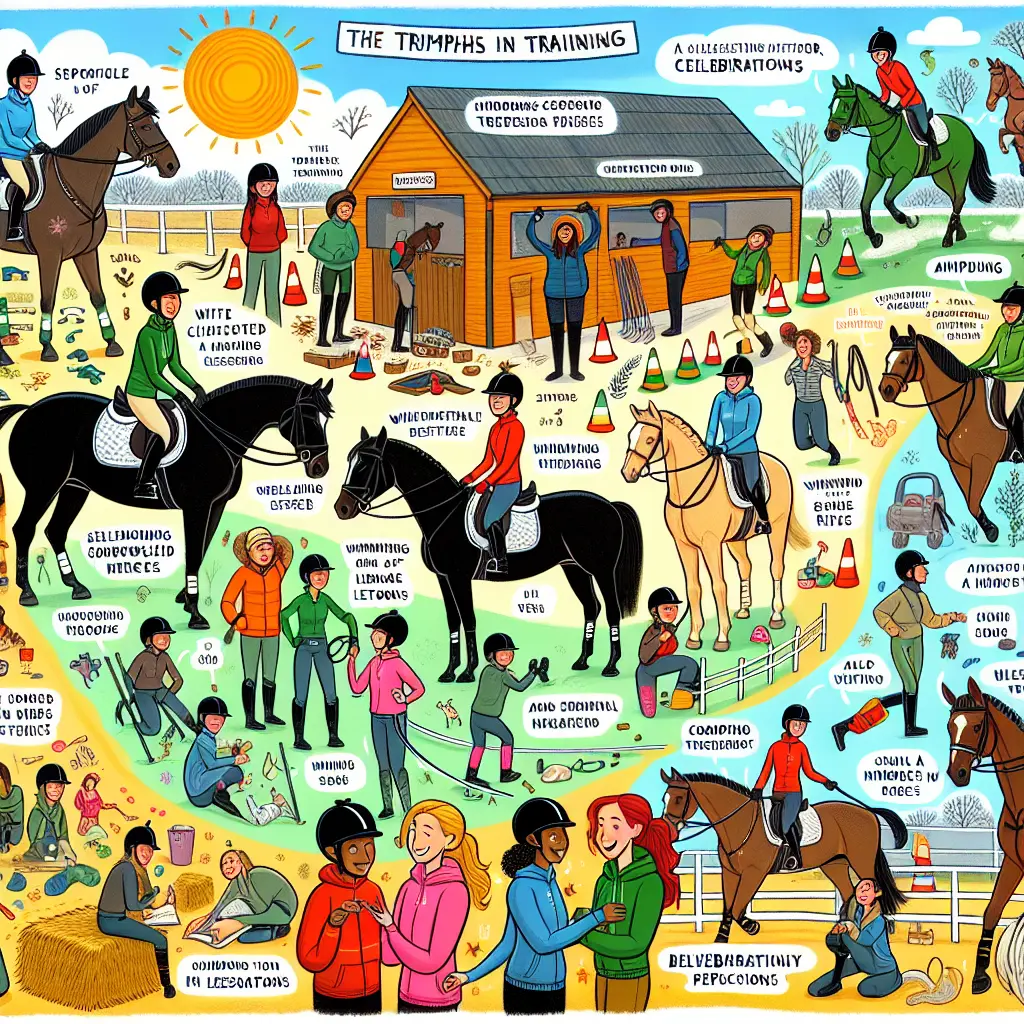
Success in riding manifests differently for different individuals. For some, it's earning championship ribbons at shows. For others, it's successfully completing a trail ride they previously thought impossible or finally achieving that diagonal transition that has eluded them for months. These personal triumphs, celebrated within the close-knit equestrian community, drive continued participation and passion.
Training Effectiveness and Fitness Gains
One of the most rewarding outcomes of structured training is watching your horse become noticeably fitter and more capable. Research confirms that horses exposed to well-designed interval training protocols show measurable improvements in cardiovascular efficiency and work capacity. This means practically that your horse will recover more quickly after exertion, handle increased intensity without excessive fatigue, display improved behavior and focus during rides, and build muscle tone and overall athleticism. These physical improvements translate directly into an enhanced riding experience. What felt challenging weeks ago becomes manageable, then easy, and then enjoyable.
Seasonal Considerations for Year-Round Riding
Adapting Your Program to Weather and Conditions
Successful riders develop strategies for maintaining consistency regardless of season. Winter training requires different approaches than summer work, particularly regarding heat management and footing conditions. Experienced riders develop "seasonal survival tips" that help them preserve fitness during challenging months while keeping their horses sound and willing.
Winter might involve focusing on technical skill work and arena training when weather limits trail access. Summer requires attention to hydration, heat management, and possibly adjusting work intensity during the hottest parts of the day. Fall and spring offer ideal conditions for building aerobic fitness and challenging yourself with new skills or competitions.
Show Day Strategy
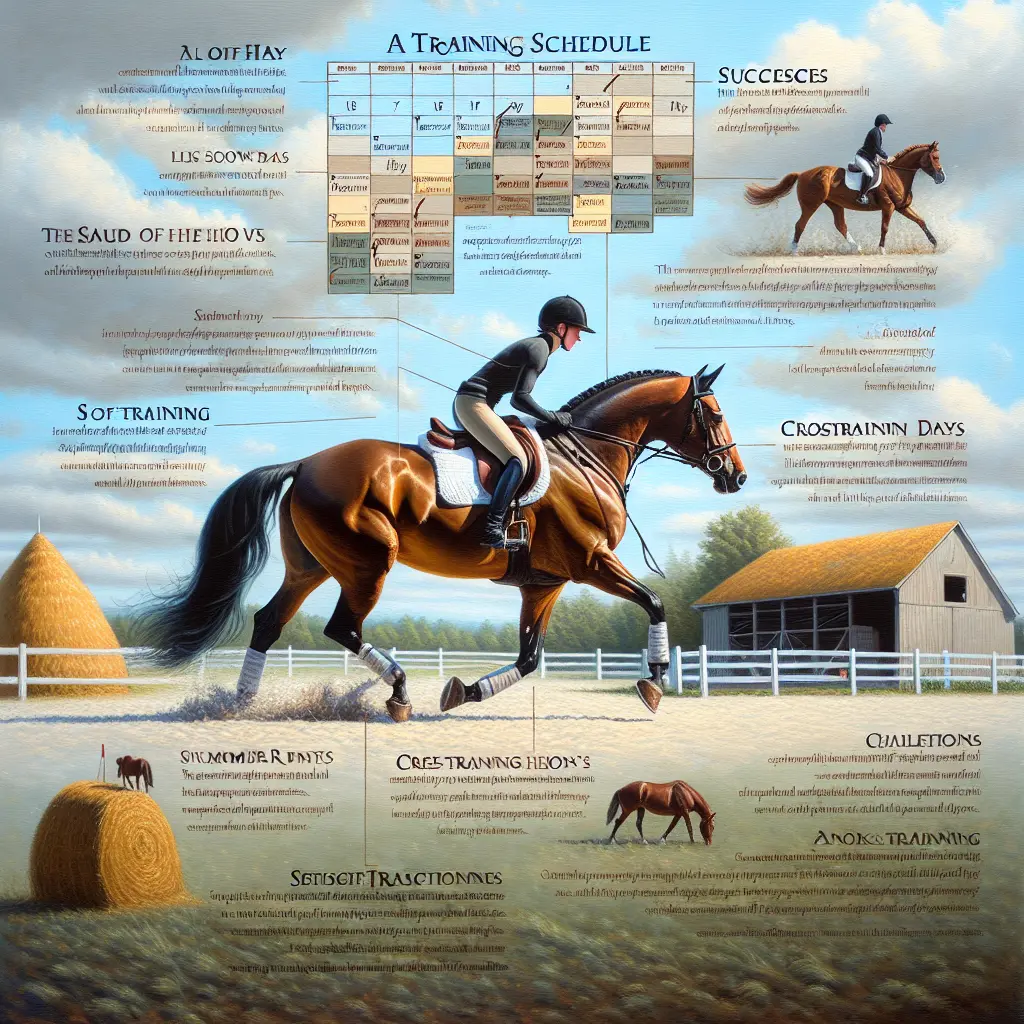
When show season arrives, training schedules shift to ensure you peak at exactly the right moment. If your show is on Saturday, your lesson day should move to Thursday—two days before competition—to allow Friday for light flatwork, equipment preparation, and horse grooming. The rest of your weekly schedule remains consistent, providing your horse with a familiar routine while strategically tapering intensity approaching competition day.
Practical Tips for Your Equestrian Weekend
Creating Your Ideal Training Weekend
Your weekend structure should balance serious work with recovery and enjoyment. Consider dedicating Saturday to lessons or focused skill work—this provides professional guidance and creates accountability. Sunday becomes your day for reviewing and reinforcing what you learned, with moderate intensity flatwork rather than high-intensity efforts.
The Importance of Proper Horsemanship Fundamentals
Before progressing to advanced skills, ensure you've mastered basic horsemanship principles. When you first enter the riding world, the fundamentals matter tremendously. Proper behavior around horses—no running, shouting, or erratic movements—establishes the calm environment that horses inherently prefer. Horses are flight-or-fight creatures, and your demeanor directly influences their willingness to work and their mental state during training.
As your riding progresses, these foundational principles continue mattering. The rider who maintains calm, consistent communication throughout all interactions will have better success than the rider who only focuses on performance during riding sessions.
Building Community and Sharing Your Journey
Connecting with Fellow Equestrians
One of equestrian life's greatest joys is the community. Whether at local hunter trials, recognized competitions like Badminton, or casual trail rides with friends, the shared passion for horses creates meaningful connections. Many riders find value in documenting their journey, whether through photography, journaling, or online engagement with other equestrians.
Sharing your challenges and triumphs—whether victories at shows or victories over personal obstacles—creates connection with others on similar journeys. When you encounter problems with schooling, behavioral challenges, or training plateaus, reaching out to the broader equestrian community often yields valuable insights from riders who've faced similar situations.
Long-Term Commitment and Growth
The equestrian journey isn't a sprint; it's a long-distance endurance event. Riders often describe how their relationship with horses transforms over months and years of consistent engagement. What starts as a weekend hobby can evolve into a central life focus, complete with personal horses, competitive pursuits, and mentoring of newer riders.
The median age of horse owners (38 years old) compared to younger participants reveals that equestrian pursuits span lifespans—people who started riding in childhood continue through adulthood, combining nostalgia with ongoing skill development.
Conclusion: Your Equestrian Adventure Awaits
The equestrian adventure encompasses far more than technical skill development or competition success. It represents a lifestyle that challenges you physically, engages you mentally, and connects you emotionally with an animal partner. The training challenges you face, the triumphs you celebrate, and the community you join create a rich tapestry of experience unique to horsemanship.
Whether your weekend involves structured training sessions, trail rides with friends, or lessons with a professional instructor, you're participating in an industry and culture that values dedication, horsemanship, and the profound human-animal bond. The dirt under your fingernails, the hay in your hair, and the occasional tumble become badges of honor—evidence of your commitment to a pursuit that demands your best and rewards your effort beyond measure.
Your equestrian adventure starts this weekend. Make it count.