

Is Taking a Risk on a Horse with Health Concerns Worth the Gamble?
When it comes to buying or leasing a horse, many of us dream of finding the perfect partner—one with the right temperament, movement, and potential. But what happens when the horse you’re considering has a history of health concerns? Should you take the risk, or walk away?
This question confronts every horse owner, trainer, and rider at some point. Whether it’s a horse with a previous injury, chronic lameness, or a history of illness, the decision to move forward is never easy. In this blog, we’ll explore the risks, the rewards, and the facts you need to know to make an informed decision. We’ll also look at the latest research and statistics to help you weigh the odds and protect your horse’s welfare.
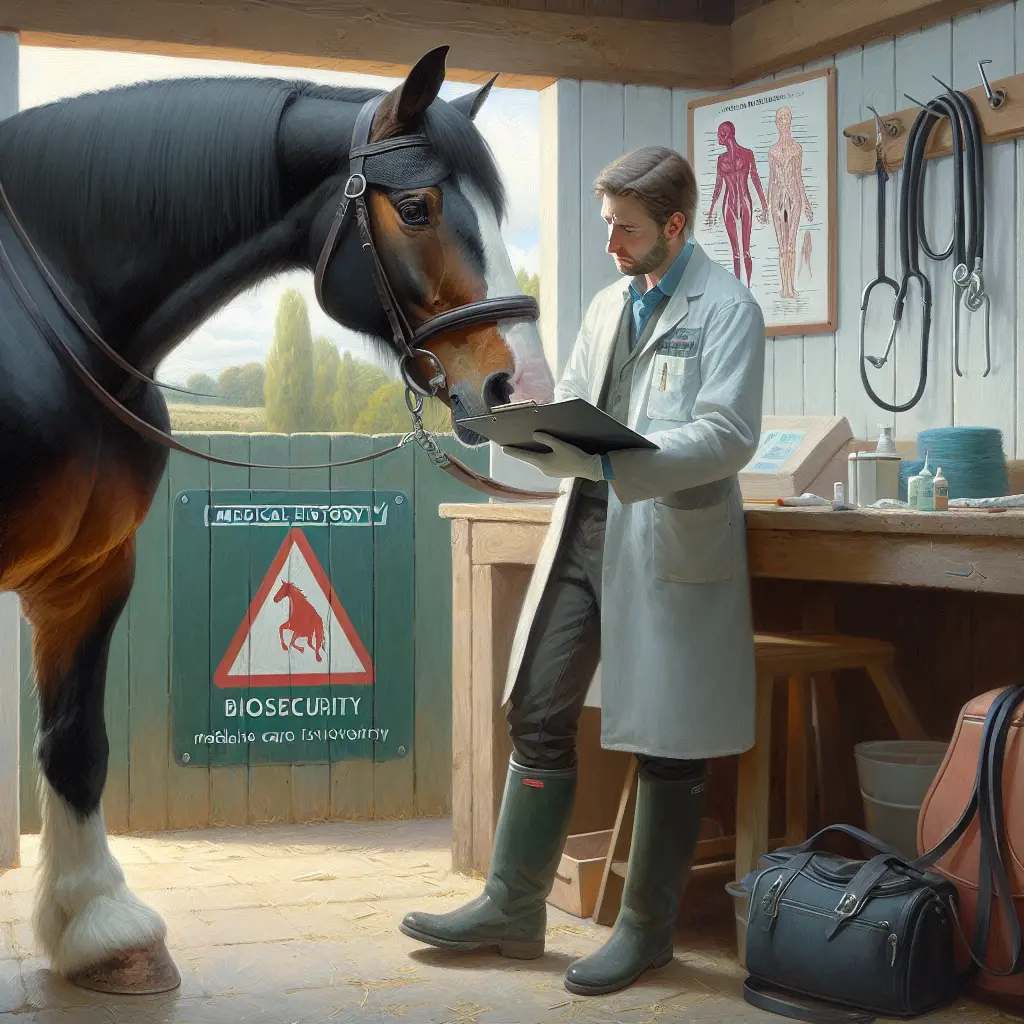
Why Health Concerns Matter
Horses are athletes, and like any athlete, their health is central to performance and longevity. According to a 2025 study published in PubMed, chronically lame horses have a 25.2% mortality rate, with many succumbing to acute decompensation of their condition or being euthanized due to intractable pain or deteriorating health. Low body condition scores, elevated pain scores, and reduced eating time were strongly associated with increased mortality risk in these horses. A horse with ongoing health issues may not only struggle to perform but could also face a shortened lifespan or a lower quality of life.

Key Stat:
- 25.2% of chronically lame horses in the study died or were euthanized due to their condition.
- Low body condition and reduced eating time were significant predictors of mortality.
- Pain scores were elevated in all deceased horses, highlighting the importance of pain management and regular veterinary assessment.
- (Source: Indicators of mortality risk in ageing horses, PubMed, 2024)
The Risks of Ignoring Health Issues
Taking a chance on a horse with health concerns can be tempting, especially if the horse is affordable or has a desirable pedigree. However, ignoring warning signs can lead to serious consequences:
- Increased risk of injury: Horses with previous injuries or chronic conditions are more likely to suffer further setbacks. For example, a horse with a history of lameness may be more prone to re-injury, especially if not managed correctly.
- Higher veterinary costs: Ongoing health issues often mean more vet visits, medications, and treatments, which can quickly add up.
- Reduced performance: A horse in pain or discomfort is unlikely to reach its full potential, whether in competition or as a companion animal.
- Welfare concerns: As highlighted in the PubMed study, horses with chronic health issues are at greater risk of suffering and may require difficult end-of-life decisions.
What the Experts Say
Veterinarians and equine welfare organizations stress the importance of thorough pre-purchase exams and ongoing health monitoring. The Horse Side Vet Guide emphasizes that lameness is often missed by owners and trainers who are not trained to detect subtle signs of pain. Many horses continue to work while in less than sound condition, which can lead to long-term damage and suffering.
Expert Insight:
- Regular veterinary check-ups and lameness evaluations are crucial for horses with a history of health concerns.
- Early detection and intervention can improve outcomes and quality of life.
- Owners should be vigilant for changes in behavior, appetite, or performance, as these can be early warning signs of underlying issues.
- (Source: Horse Side Vet Guide, 2025)
The Role of Preventative Care
Preventative care is one of the most effective ways to manage health risks in horses. This includes:
- Regular veterinary exams: Early detection of problems can prevent them from becoming more serious.
- Proper nutrition and management: Maintaining a healthy body condition and providing appropriate exercise can reduce the risk of complications.
- Vaccinations and parasite control: These are essential for preventing infectious diseases and maintaining overall health.
- Saddle fit and hoof care: Poor saddle fit and hoof problems can exacerbate existing health issues and lead to new ones.
Key Fact:
Poor saddle fit can negatively impact a horse’s health, movement, and performance, increasing the risk of injury and discomfort. (Source: The Horse, 2025)

The Emotional and Financial Cost
Beyond the physical risks, there’s also the emotional and financial cost of taking a chance on a horse with health concerns. Owners may become attached to their horse, making it harder to make difficult decisions if the horse’s condition worsens. Financially, ongoing treatments and potential loss of use can be a significant burden.
Real-World Example:
In 2025, an outbreak of equine infectious anemia (EIA) led to the death of over 20 horses in the southwestern US. The disease is potentially fatal and can spread through iatrogenic transmission (medical activity), highlighting the importance of testing and biosecurity. (Source: DVM360, 2025)
Making an Informed Decision
Is taking a risk on a horse with health concerns worth the gamble? The answer depends on several factors:
- The nature and severity of the health issue: Some conditions are manageable with proper care, while others may be progressive or untreatable.
- Your experience and resources: Managing a horse with health concerns requires knowledge, time, and financial resources.
- Your goals: If you’re looking for a competitive athlete, a horse with ongoing health issues may not be the best choice. If you’re seeking a companion, you may be able to provide the care and support the horse needs.
Tips for Decision-Making:
- Consult with a veterinarian before making a purchase.
- Review the horse’s medical history and ask for recent diagnostic results.
- Consider the long-term costs and commitment involved.
- Be honest about your ability to provide the necessary care.
Conclusion
Taking a risk on a horse with health concerns is a decision that should never be made lightly. While some horses can thrive with proper management, others may face ongoing challenges and a reduced quality of life. By understanding the risks, seeking expert advice, and prioritizing preventative care, you can make a choice that protects both your horse’s welfare and your own peace of mind.
Remember, every horse deserves a chance at a healthy, happy life. With the right information and support, you can help ensure that your horse gets the care it needs—whether you’re taking a chance on a new partner or supporting one through an existing health challenge.
References:
- Indicators of mortality risk in ageing horses, PubMed, 2024
- Horse Side Vet Guide, 2025
- The Horse, 2025
- DVM360, 2025
This blog is designed to provide valuable, evidence-based information to help horse owners make informed decisions. By referencing credible sources and focusing on the reader’s interests, we aim to support both equine welfare and responsible ownership.