

Exploring the Challenges and Solutions for Lifetime Traceability of Equines in Europe and the UK
Every year, thousands of horses are born, bred, raced, trained, retired, and rehomed across Europe and the UK. Yet, despite the size and importance of the equine sector, ensuring that every horse can be traced throughout its life remains a significant challenge. From safeguarding animal welfare to protecting public health and supporting disease control, lifetime traceability is not just a regulatory requirement—it’s a cornerstone of a responsible and sustainable equine industry. In this blog, we’ll explore the current state of equine traceability, the key challenges faced by owners, keepers, and authorities, and the solutions being developed to create a more robust, transparent, and effective system for all.
Why Is Equine Traceability So Important?
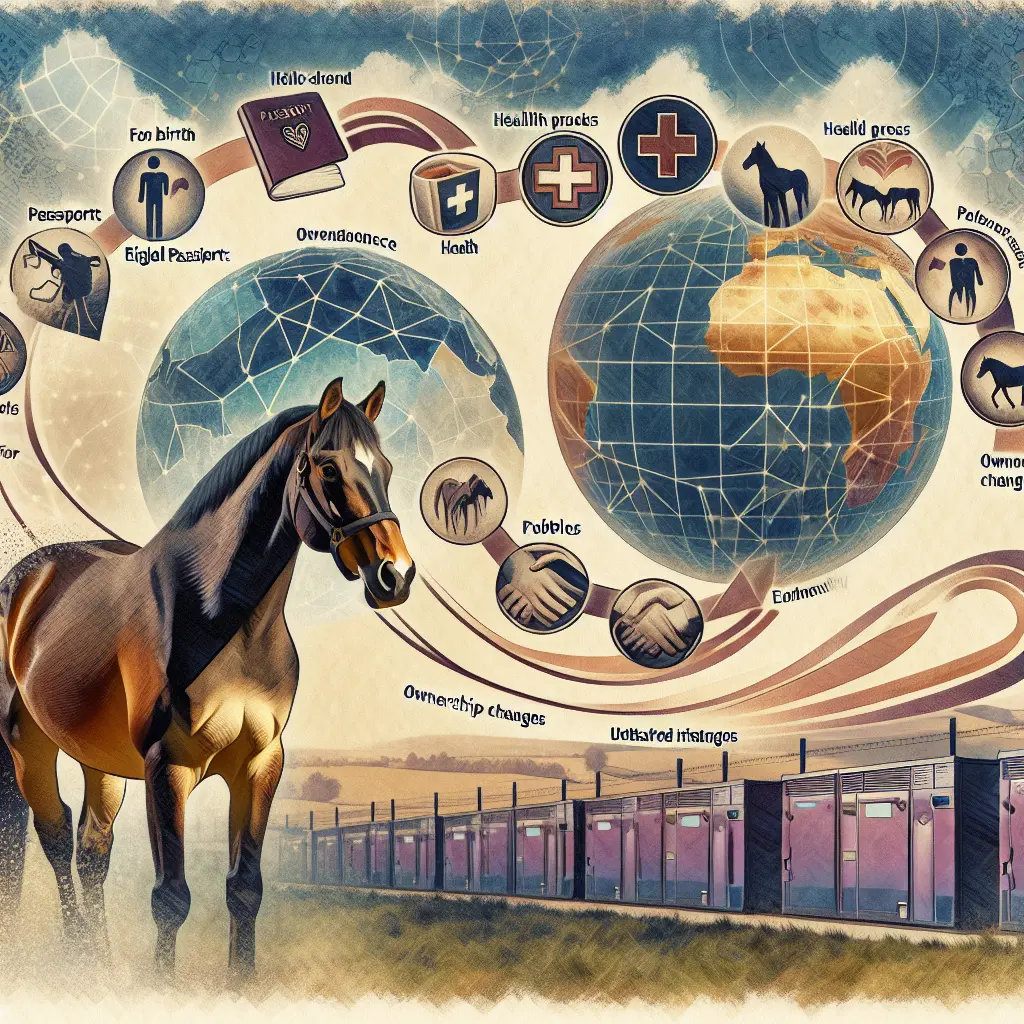
Traceability means being able to track a horse’s movements, ownership, health history, and welfare status from birth to death. This is crucial for several reasons:
- Animal Welfare: Ensures horses are not lost, abandoned, or mistreated.
- Public Health: Prevents horses intended for human consumption from entering the food chain if they’ve been treated with certain medications.
- Disease Control: Enables rapid response in the event of an outbreak, such as equine influenza or African horse sickness.
- Legal Compliance: Supports enforcement of regulations and helps prevent illegal activities like horse theft or smuggling.
According to the World Horse Welfare organisation, over 50% of the data on the UK’s Central Equine Database (CED) is incomplete or not up to date, highlighting a major gap in the system’s effectiveness.
The Current System: How Does It Work?
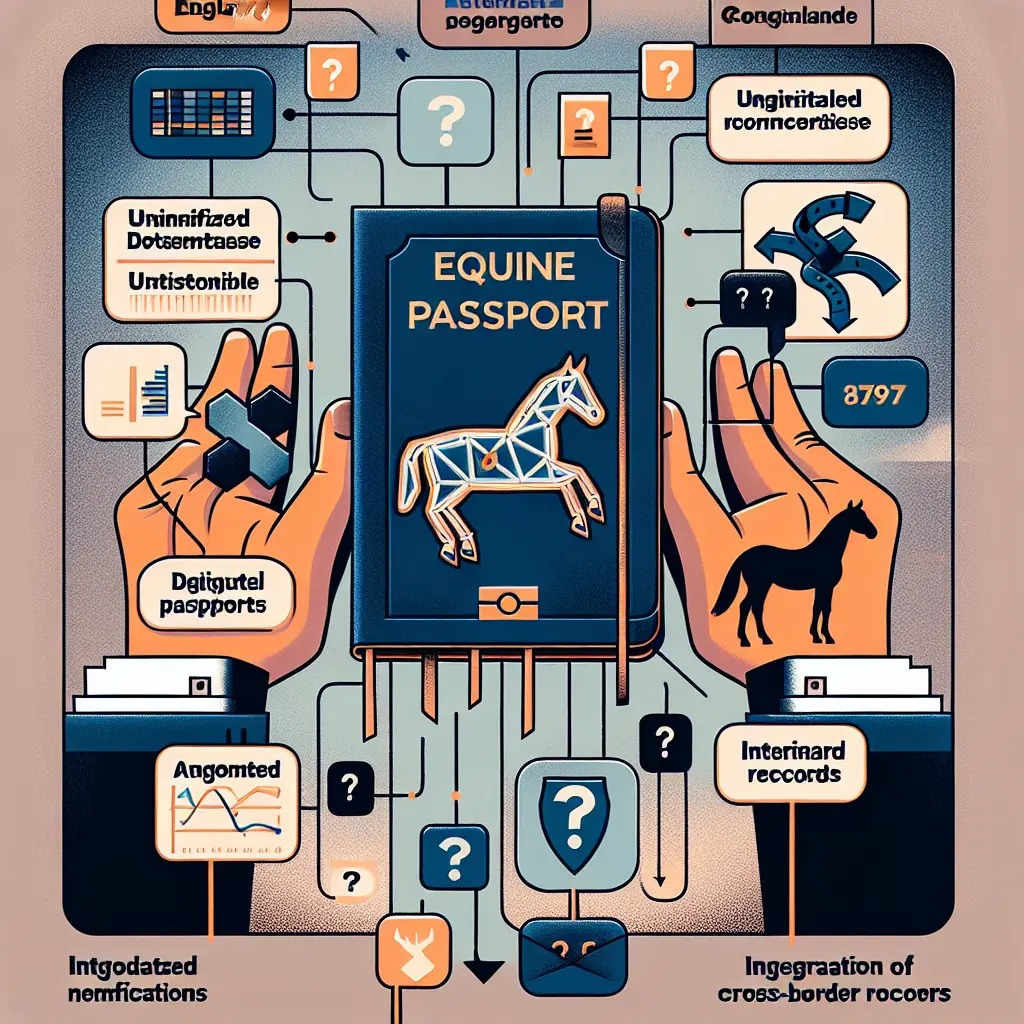
In the UK and across much of Europe, equine traceability is based on the equine passport—a paper document that records a horse’s identity, ownership, and medical history. Since 2018–2019, all horses in England, Wales, and Scotland must also be microchipped, with their details recorded in the CED, managed by Equine Register (source: World Horse Welfare).
In France, the SIRE database managed by the French Horse and Riding Institute (IFCE) provides a centralised system for equine traceability, while Ireland conducts an annual equine census to capture the location and status of horses on a single night each year (PLOS ONE).
Key Challenges in Equine Traceability
The current systems have certain limitations that need addressing. Here are some significant challenges:
Fragmented and Incomplete Data
The UK’s CED holds over 1.5 million equine records, but with 81 different passport issuing organisations, data consistency is a major issue. Many horses are not registered in the correct owner’s name, and updates are often delayed or not made at all (PLOS ONE).
Paper-Based Systems Are Outdated
The reliance on paper passports makes it difficult to keep records up to date and increases the risk of fraud. Jessica Stark, Director of Communications at World Horse Welfare, stated, “The current paper-based system is not fit for purpose” and has been exploited in high-profile horse smuggling cases (source: Horse & Hound).
Lack of Real-Time Tracking
Most systems do not allow for real-time tracking of horse movements. This is a major concern for disease control, as authorities may not know where affected horses have been or who they have been in contact with (UK Government).
Cross-Border Movement Complications
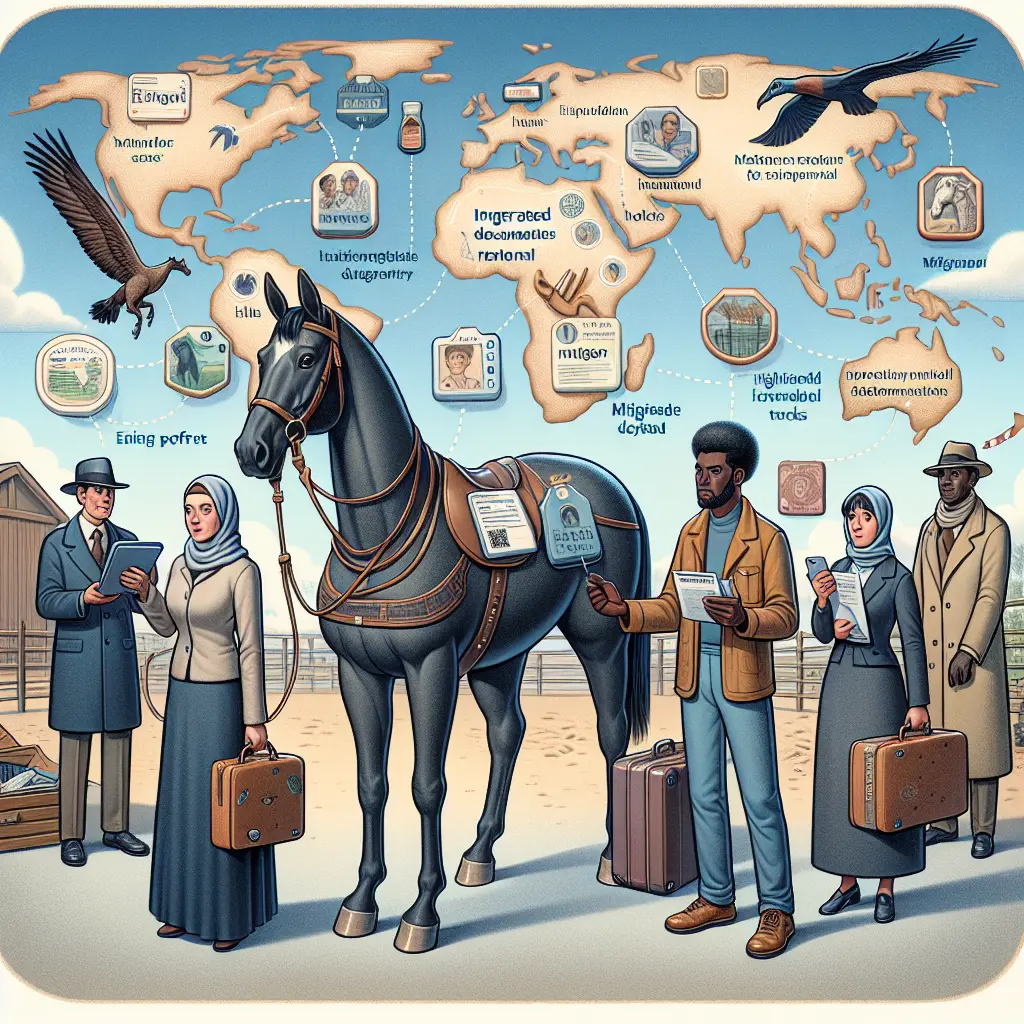
Horses frequently move between England, Scotland, Wales, Northern Ireland, and the Republic of Ireland. Different systems and regulations can create confusion and gaps in traceability, especially if digital systems are not compatible across borders (BVA).
Owner and Keeper Engagement
Many horse owners and keepers find the current system complex and costly, leading to low compliance. A study found that only 64% of horses were registered in their current owner’s name, despite 90% of owners being aware of the requirement (PLOS ONE).
Solutions and Innovations
Digital Equine Passports
There is growing momentum for a digital-first equine passport system across Europe. The FEI (International Equestrian Federation) has announced a digital passport initiative that integrates health documentation and real-time tracking. This would allow for instant verification and reduce the risk of fraud (source: Horse & Hound).
Centralised and Integrated Databases
Experts recommend a centralised database of all equine premises, recording not just ownership but also the type of activity (breeding, training, leisure, etc.). This would provide a clearer picture of where horses are kept and who is responsible for them (World Horse Welfare).

Automated Movement Notifications
Requiring notification of key movements (on/off premises) and digitising these records would improve traceability and support disease control. This is already a requirement under the EU Animal Health Law, with which Northern Ireland must align (World Horse Welfare).
Veterinary Integration
Linking equine records with veterinary practices would ensure that health and vaccination data is accurate and up to date. Some proposals suggest scanning a horse’s microchip and then scanning barcodes on medications to automatically update records (UK Government).
Improved Communication and Education
Enhanced communication strategies are needed to explain the importance of compliance to horse owners and keepers. Ongoing education and support can help improve record-keeping and engagement with traceability systems (PLOS ONE).
Cross-Border Collaboration
For systems to work effectively, they must be compatible across the UK and with key trading partners like the Republic of Ireland. The British Veterinary Association (BVA) has stressed the importance of simultaneous adoption across all regions to avoid confusion and unintended consequences (BVA).
What’s Next?
The UK government has launched consultations on improving equine identification and traceability, with proposals including digital passports, automated movement notifications, and better integration with veterinary records (UK Government). Meanwhile, the European Commission is reviewing animal health laws, offering a unique opportunity to modernise equine traceability across the continent (Horse & Hound).
How Can You Help?
- Ensure your horse’s passport is up to date and in your name.
- Report any changes in ownership or movement promptly.
- Support calls for digitalisation and improved traceability systems.
- Stay informed about new regulations and best practices.
Conclusion
Lifetime traceability of equines is not just a regulatory box to tick—it’s a vital tool for protecting animal welfare, public health, and the integrity of the equine sector. While the current system has its strengths, it also faces significant challenges that must be addressed through digital innovation, better integration, and improved owner engagement. By working together—governments, industry bodies, veterinarians, and horse owners—we can build a traceability system that is fit for the 21st century and ensures every horse is safe, healthy, and accounted for throughout its life.
For more horse riding equipment and apparel, explore our Jodhpur Collection, Horse Riding Boot Collection, Horse Riding Gloves Collection, Horse Riding Socks Collection, and more. Additionally, don't forget to treat your horse with our Horse Treats And Gifts. For horse care, the Everyday Horse Vitamins & Supplements will ensure your horse gets all the nutrients they need!