

Exploring the Fascinating World of Hoof Trimming: Insights from Hoof GP
Welcome to the world of hoof trimming, an essential part of horse care that supports your horse's overall health. As Hoof GP, an expert in equine hoof care, I will lead you through the science behind hoof trimming and how it can optimize your horse's wellbeing. This blog will delve into the importance of balanced hooves, trimming schedules, common problems, and much more.
Why Hoof Trimming Matters: The Science Behind Balanced Hooves
A horse's hoof grows continuously and bears the animal's full body weight. Proper trimming is crucial for maintaining balance and preventing issues such as joint strain, cracks, and lameness. Studies confirm that trimming directly alters hoof shape and limb conformation, thus reducing stress on tendons and ligaments. 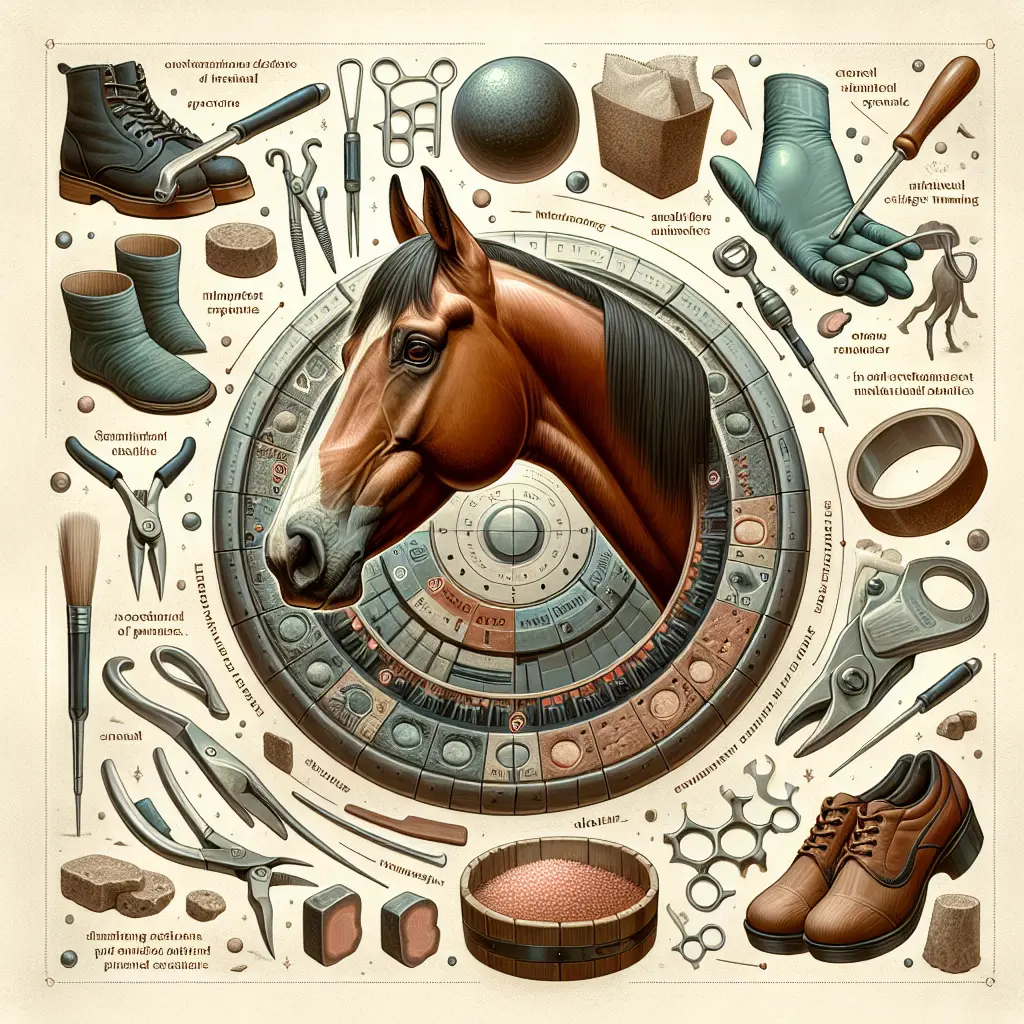 This regular care improves athletic performance, particularly in working horses.
How Often Should You Trim? Timing Tailored to Seasons and Horses
Hoof growth is affected by season, age, and environment. During summer, trimming is typically required every 6-8 weeks, while in winter, this can extend up to 12 weeks. Younger horses grow faster, necessitating more frequent trims. Environmental conditions like spring growth spurts also influence schedules. Observing changes and consulting with a farrier or vet will help tailor a suitable routine.
Common Hoof Problems and How Trimming Prevents Them
Neglected hooves often develop cracks and imbalances. Issues like grass cracks and horizontal cracks can arise, particularly with poor care. Regular trimming and moisture prevent these problems. Aggressive trims, such as shortening toes excessively, should be avoided, opting instead for natural wear and precision cuts.
Benefits of a Regular Farrier Schedule: Real-World Gains
A consistent trimming schedule prevents hoof extremes and maintains uniformity. This supports tendons and joints by evenly distributing the horse's weight, enhancing comfort and performance. Regular farrier visits also build trust with the horse, making future sessions smoother.
Natural vs. Traditional Trimming: Finding the Right Approach
The debate between natural and traditional trimming indicates different benefits for each method. Natural trimming aims to emulate the wear of wild horses, while traditional focuses on precise angles. Individual needs dictate the right approach, whether it's natural for pastured horses or a structured method for equestrian athletes.
Final Tips from Hoof GP for Optimal Hoof Health
Ensuring optimal hoof health requires dedication:
- Build a partnership with a skilled farrier and vet.
- Monitor for cracks and regularly moisturize.
- Adapt trimming frequencies to suit seasonal and age-related growth.
- Focus on balance to protect joints and enhance performance.
Conclusion
Understanding and applying these hoof care principles empowers you to enhance your horse's health significantly. Regular care and attention can lead to improved performance and comfort for your equine friend. Should you have any questions, feel free to reach out for guidance—your horse's healthy future starts here.
Explore More with Just Horse Riders
Visit our curated collections to enhance your horse riding experience: