

What Are Colic Surgery Hernia Belts and How Can They Be Effectively Used with Geldings?
Colic surgery has been a major concern for horse owners, presenting challenges not only in surviving the operation but also in ensuring smooth recovery. With the introduction of colic surgery hernia belts, recovery becomes much more manageable, especially for geldings. This article delves into the world of hernia belts, exploring their effectiveness, uses, and the journey to recovery post-surgery.
What Is a Colic Surgery Hernia Belt?
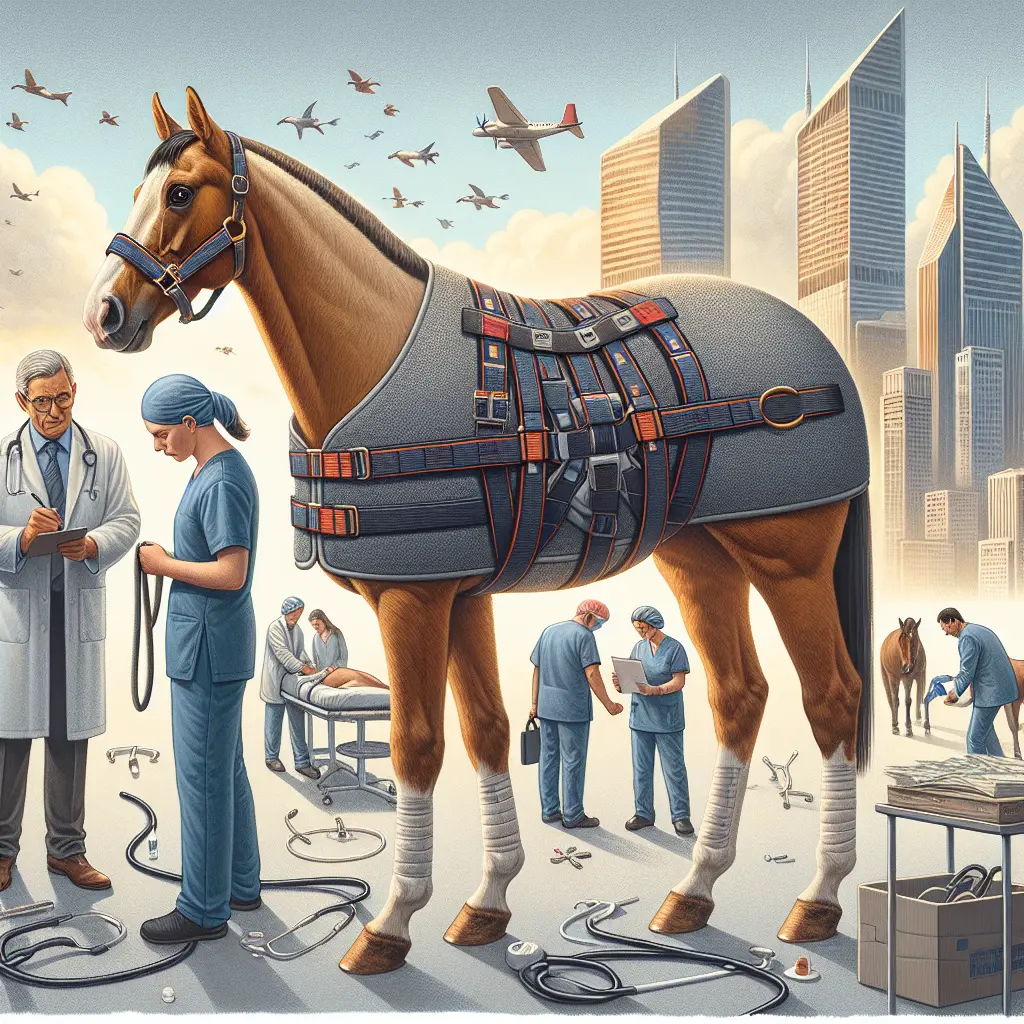
A colic surgery hernia belt is a marvel in equestrian post-operative care. Designed to be worn around the abdomen after surgery, it applies a consistent pressure to the surgical site. The goal? To prevent or minimize hernia formation, a common yet troublesome post-surgery complication.
Understanding the Necessity
After enduring the strain of colic surgery, a horse's abdominal wall can be particularly delicate. This delicate state leaves room for weaknesses, which can manifest as hernias. This belt plays a pivotal role in supporting tissue healing, as the abdominal wall takes about 60 days to regain moderate strength.
How Do Hernia Belts Work?
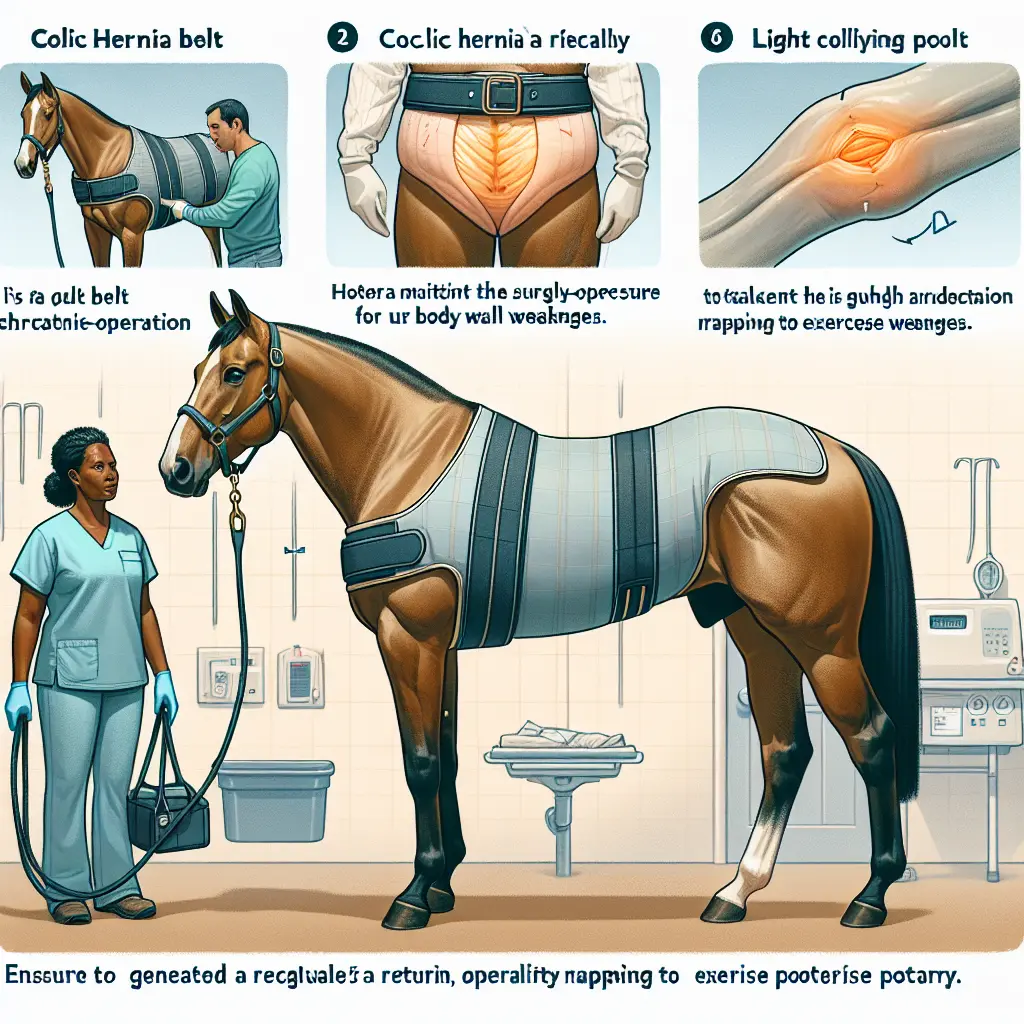
The mechanism of these belts is rooted in providing external support to fortify the abdominal wall. This allows the incision edges to remain intact, promoting optimal healing while reducing chances of the incision opening up or stretching.
Pressure and Stability
The gentle yet firm pressure from the belt serves to not only curtail swelling but also offers a stable environment for the healing tissues. This limitation of movement reduces strain, especially crucial during the recovery's early stages.
Effectiveness for Geldings
Geldings aren't exempt from incisional risks, which include potential hernia formation. However, their roles often require early resumption of activity. This is where hernia belts shine—offering a safety net that facilitates recovery without compromise.
Realizing Recovery: Tips for Using a Hernia Belt
1. Prioritize Veterinary Guidance
Before introducing a hernia belt, consult your veterinarian. Their expertise will guide the choice of the correct belt type and provide a plan tailored to your horse's unique recovery needs.
2. Proper Fit and Adjustment
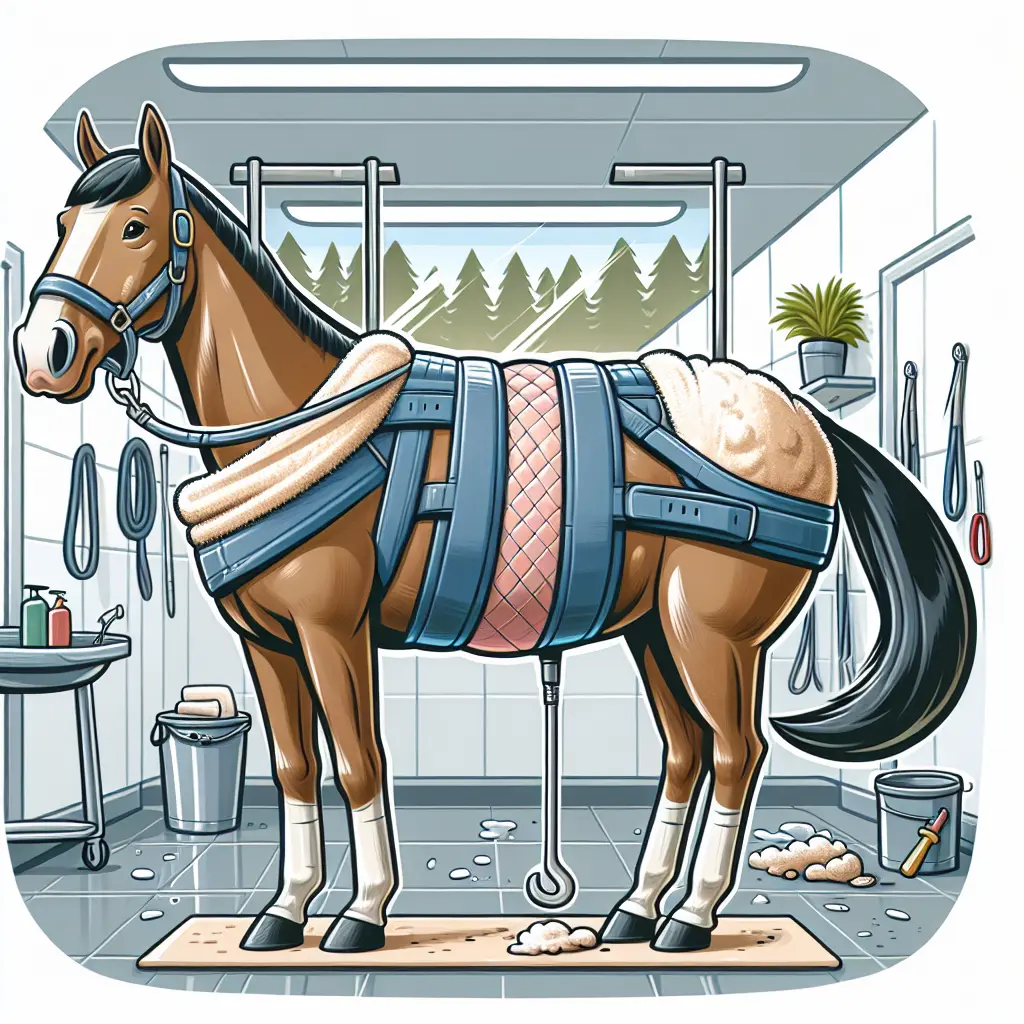
A snug but comfortable fit ensures effectiveness. The belt should adequately cover the incision, providing uniform pressure without hindering the horse’s natural movements.
3. Track Surgery Incision Progress
Regular monitoring for any changes in the incision, such as swelling or bulges, is critical. Prompt communication with a veterinarian in the presence of such symptoms is imperative.
4. Consistent, Gradual Exercise
A gradual return to physical activity is essential. Following colic surgery, most horses require at least a month of stall rest, with a calculated increase in movement as advised by surgery recovery protocols (source: BEVA).
5. Hygienic Maintenance
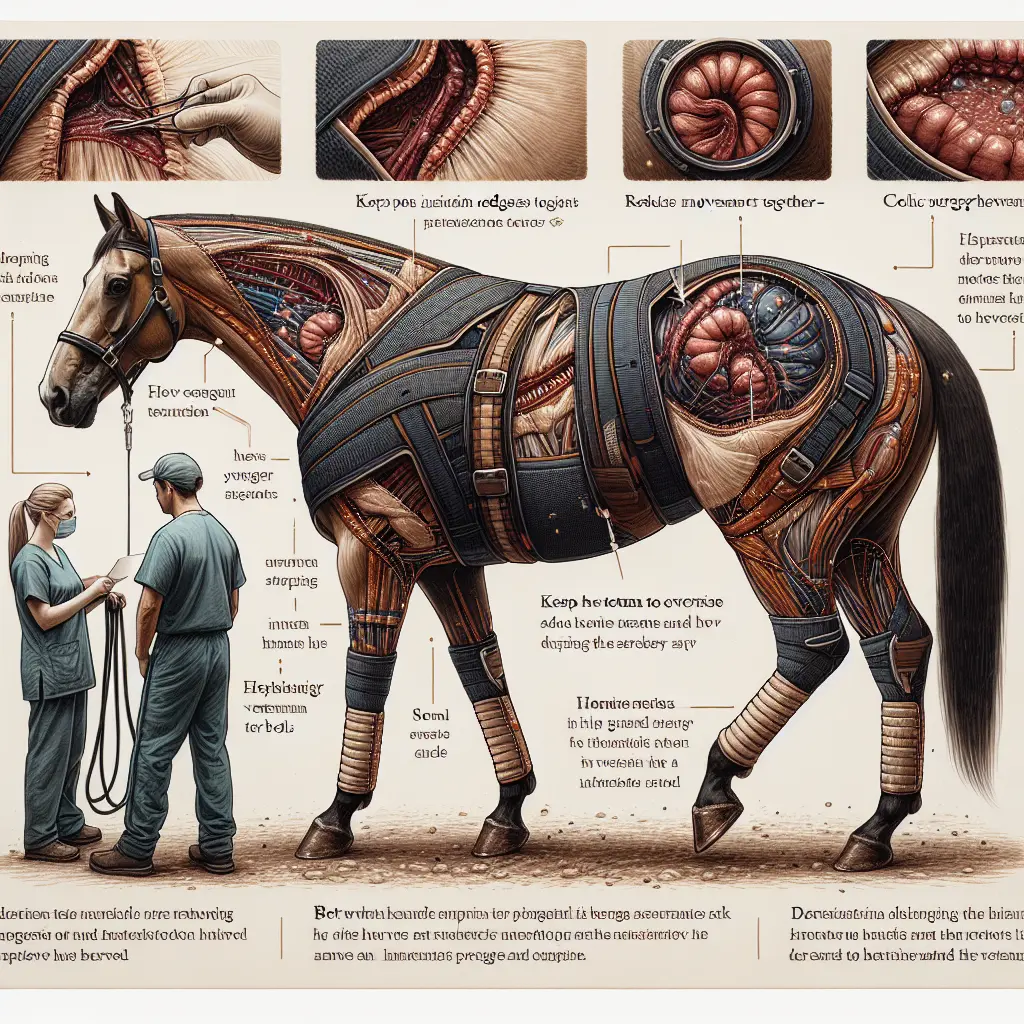
The belt should remain clean to prevent infections. Adherence to manufacturer care guidelines ensures longevity and efficacy.
Research Backing Their Utility
Scientific inquiry supports the role of hernia belts in recovery. They contribute to minimizing complication risks and speeding up healing. With the aid of proxy studies, researchers have endorsed their role in ensuring a successful return to activity.
Popular Collections for Horse Riders
In addition to hernia belts, equine care involves a variety of specialized products. Explore Jodhpur Collection, Horse Riding Boot Collection, and Horse Riding Gloves Collection.
For added horse protection, discover quality Horse Fly Protection and Turnout Rugs.
Conclusion
Colic surgery hernia belts emerge as indispensable tools in equine recovery, especially for geldings whose activity and health are paramount. They symbolize progress in veterinary post-operative care, combining research-backed efficacy with real-world practicality.
Embrace this innovation, consult professionals, and curate a seamless recovery for your equine companion. Visit Just Horse Riders for a range of quality equestrian products that support the overall health and well-being of your horse.