

Essential Tips for Clipping Field-Kept Horses: Grooming, Techniques, and Tools for Success
Field-kept horses face unique grooming challenges that differ significantly from their stabled counterparts. Whether your horse resides in a pasture year-round or spends considerable time outdoors, maintaining a clean, healthy coat requires understanding specialized techniques and the right tools. In this comprehensive guide, we'll explore everything you need to know about grooming and clipping field-kept horses, from basic maintenance to advanced strategies for keeping your horse looking and feeling their best.
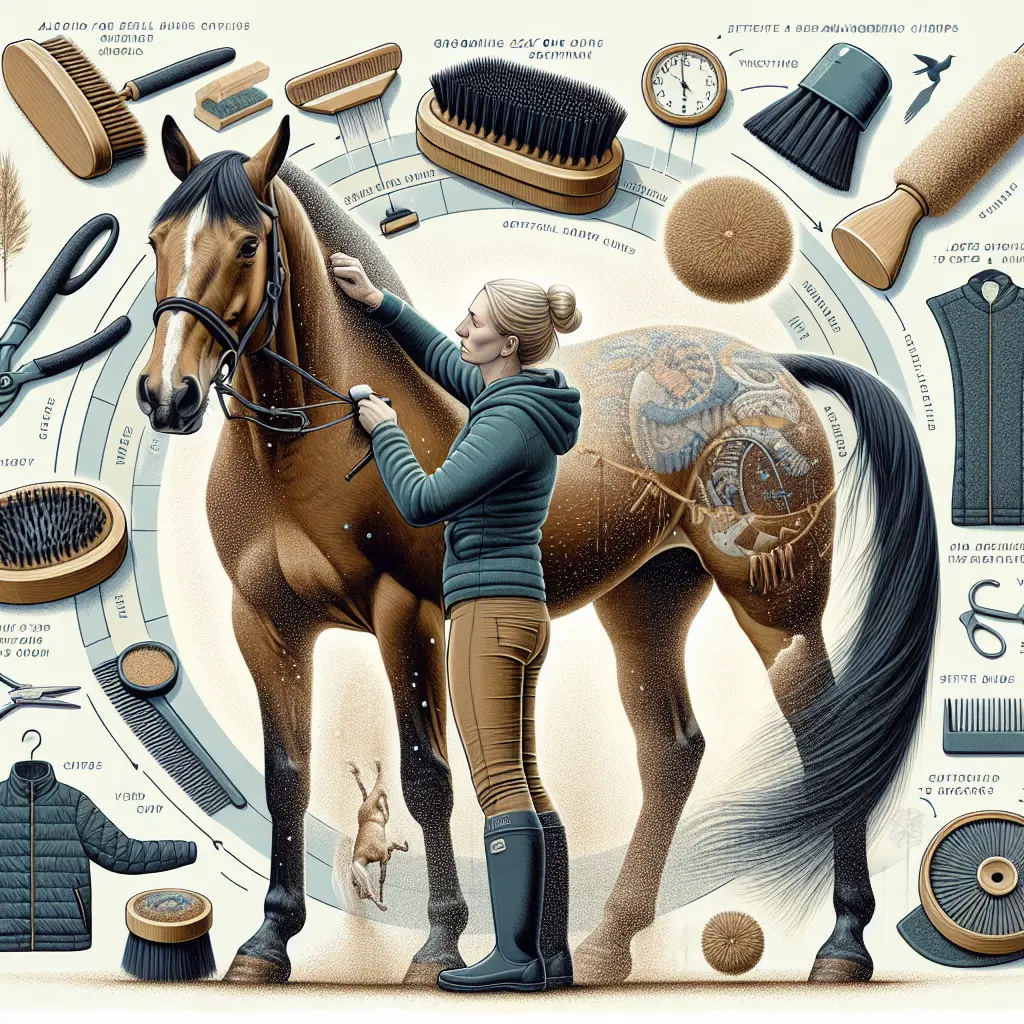
Understanding the Unique Needs of Field-Kept Horses
Field-kept horses live under natural conditions that present both benefits and challenges for coat maintenance. These horses develop thicker, longer coats as a natural adaptation to outdoor living, and their skin produces protective oils that help them regulate body temperature and resist weather elements.[5]
The Benefits of Pasture Living
Horses that spend time in pastures enjoy natural movement and socialization, which contributes to their overall well-being. However, this outdoor lifestyle means they’re exposed to mud, rain, wind, and dust—all of which can complicate grooming efforts. Understanding that field-kept horses require a different grooming approach than stabled horses is essential for their health and comfort.
Why Regular Grooming Matters
Grooming plays a crucial role in maintaining your field-kept horse's health. Regular grooming sessions allow you to quickly identify cuts, bumps, or skin issues before they become serious problems.[5] Plus, grooming helps you monitor your horse's overall body condition and observe behavioral changes that might indicate health concerns. Many horse owners find that these sessions strengthen their bond with their horses while providing crucial health maintenance opportunities.
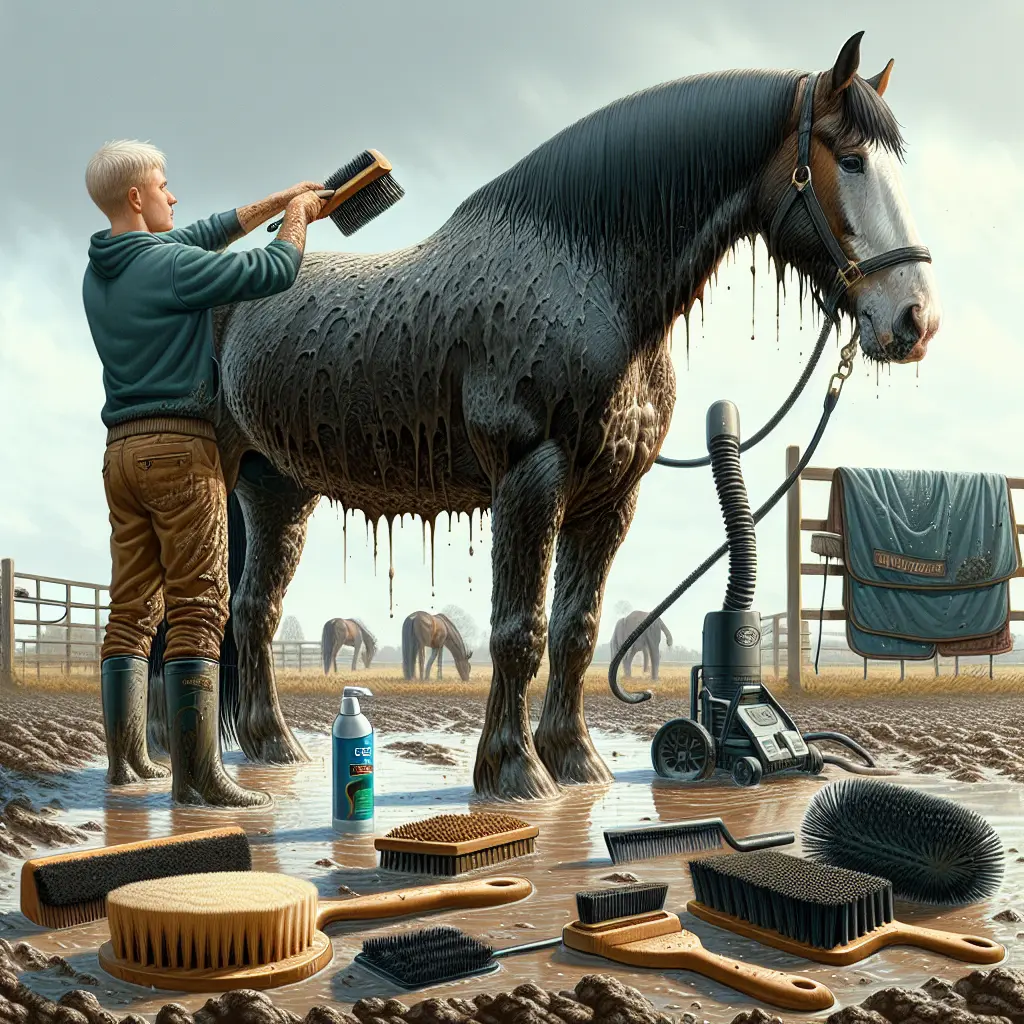
Essential Grooming Tools for Field-Kept Horses
Before beginning any grooming routine, it’s important to have the right tools. Field-kept horses typically require different equipment than stabled horses, particularly because their coats are thicker and they accumulate more dirt and mud.
The Rubber Curry Comb: Your First Line of Defense
The rubber curry comb should be your starting point for any grooming session.[1] This tool brings deeply embedded dirt, dust, and mud to the surface of your horse’s coat through circular motions. Begin at the neck and work your way down the body, applying gentle but firm pressure so the tool's teeth penetrate the coat and touch the skin. The curry comb also serves the added benefit of increasing blood circulation to your horse’s skin and coat, helping maintain a shiny, strong appearance.
The Dandy Brush for Surface Cleaning
Once you’ve brought dirt to the surface with the curry comb, a stiff or dandy brush removes the loosened debris.[1][4] This brush works effectively on the main body and helps ensure that sweat and surface dirt are completely removed. For field-kept horses that aren't clipped, the dandy brush is particularly useful for removing the dust and dirt that accumulates in thicker coats.
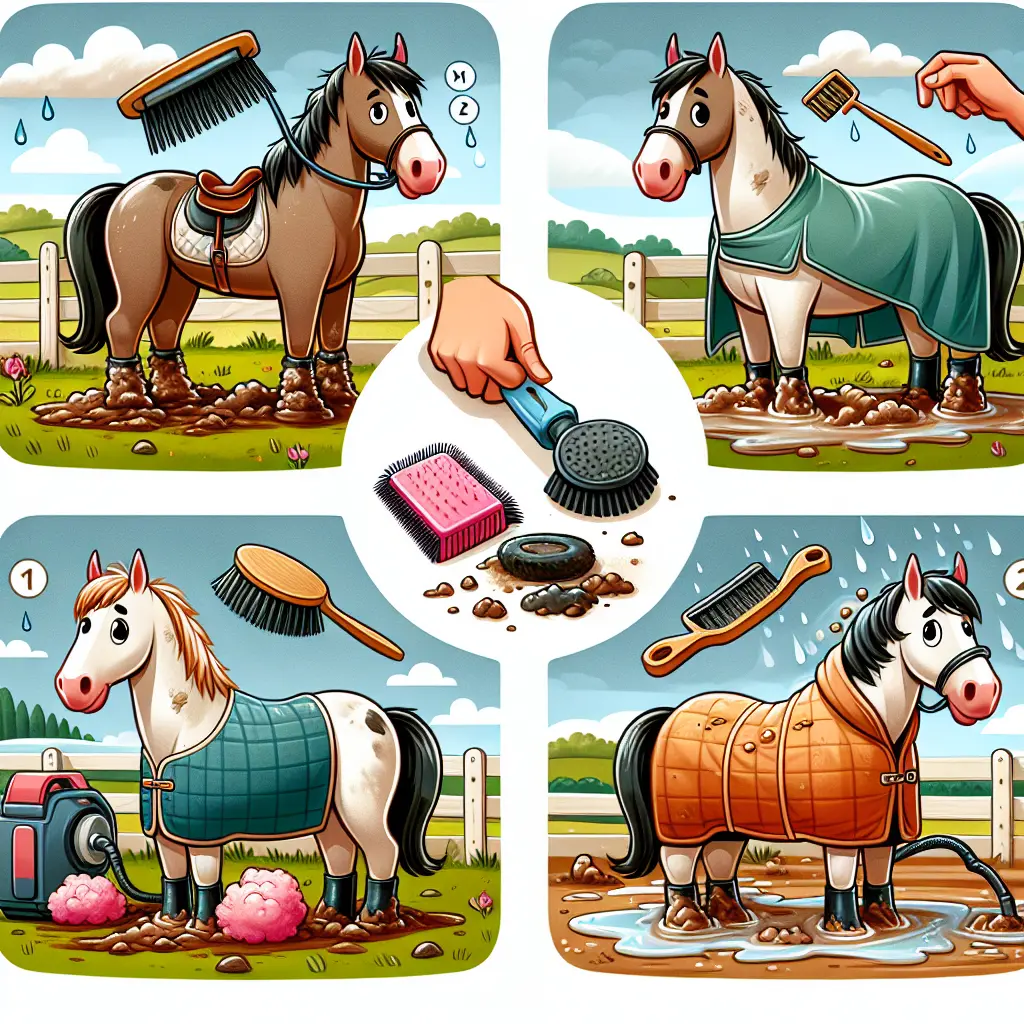
Step-by-Step Grooming Process for Field-Kept Horses
Following a systematic approach ensures thorough grooming while maintaining your horse's comfort and safety.
Step 1: Secure Your Horse Properly
Before beginning any grooming work, secure your horse using a quick-release knot with a lead rope, or use crossties if available.[2] This safety measure prevents your horse from wandering or moving around unpredictably during the grooming process.
Step 2: Remove Surface Dirt and Mud with a Curry Comb
Start with your rubber curry comb, using circular motions to loosen dust, dirt, and mud. Begin at the neck and work down the body.[2] This step is particularly important for field-kept horses that have accumulated mud or dried-on dirt.
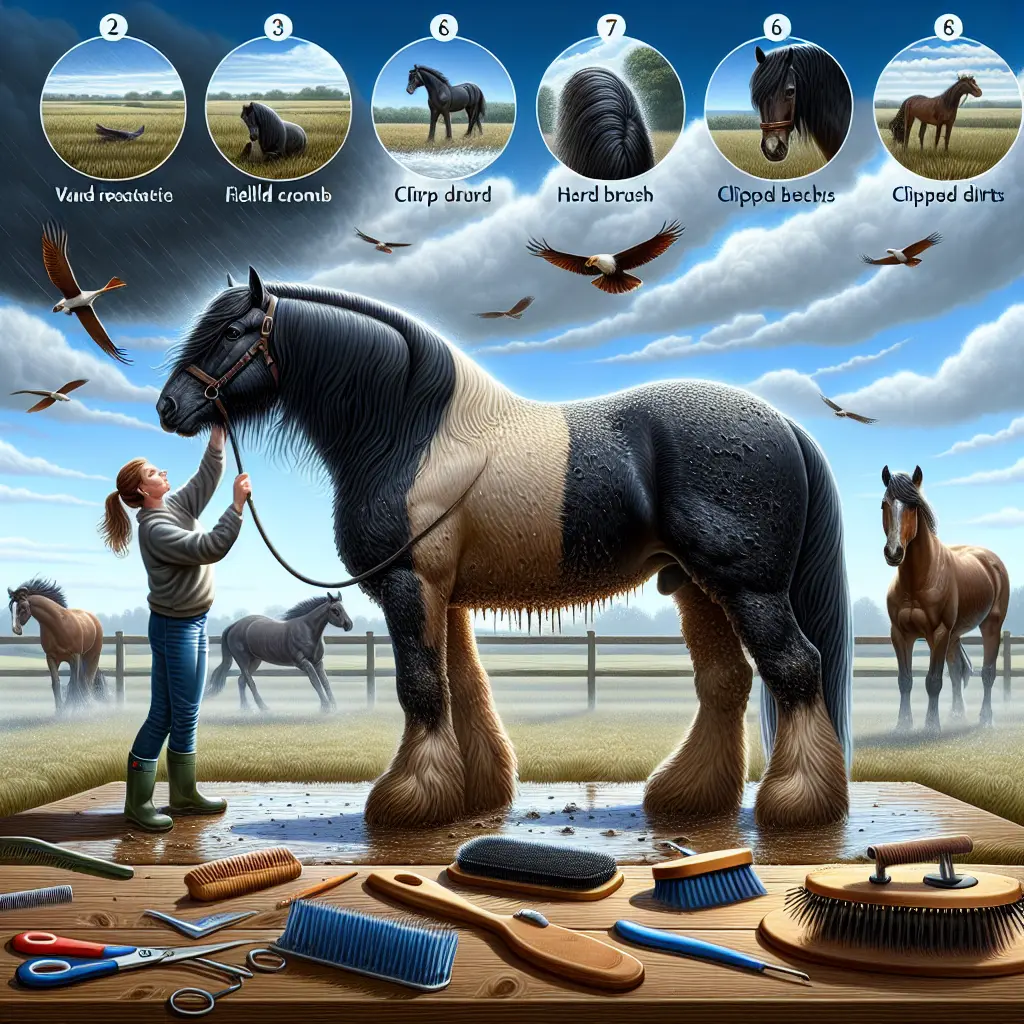
Clipping Field-Kept Horses: Techniques and Considerations
Clipping is a specialized grooming technique that removes the horse’s coat entirely or partially. For field-kept horses, clipping decisions require careful consideration of climate, workload, and the horse’s individual needs.
Understanding When to Clip
Field-kept horses develop thicker coats as a natural adaptation to outdoor living. Clipping these horses requires balancing their need for temperature regulation with your grooming and maintenance goals.
Trace Clipping as an Alternative
For field-kept horses that work moderately during winter months, a trace clip may be more appropriate than a full body clip. This technique removes hair from specific areas while leaving protective hair on the horse’s back and hindquarters.
Managing Muddy Conditions: Special Strategies
Field-kept horses often contend with muddy pastures, particularly during wet seasons. Managing mud effectively is crucial for maintaining coat health and appearance.
Blankets as Protection
High-neck blankets serve a dual purpose: they protect your horse’s coat from mud and help keep them cleaner, which reduces grooming time significantly.[6]
Drying Time Considerations
When field-kept horses come in wet or muddy, allow adequate drying time before grooming.[5] This prevents damage to the coat and makes the grooming process more effective.
The Importance of Checking for Health Issues During Grooming
Beyond achieving a clean appearance, grooming field-kept horses provides essential health monitoring opportunities.
What to Look For
During each grooming session, observe your horse’s skin condition for any unusual bumps, cuts, or areas of sensitivity.[5] These behavioral changes can indicate discomfort or underlying health issues that require veterinary attention.
Adjusting Your Approach: Year-Round Grooming Strategies
Field-kept horses require different grooming approaches throughout the year based on weather conditions and their coat development.
Spring and Summer Grooming
During warmer months, field-kept horses shed their winter coats. Increased grooming frequency helps remove dead hair and maintain a tidy appearance.
Fall and Winter Grooming
As horses develop their thicker winter coats, you may need to adjust your tools and techniques.
Tools That Make a Difference
Investing in quality grooming tools pays dividends in both time and results. Small, palm-sized rubber curry combs are particularly versatile.
Conclusion
Grooming field-kept horses requires understanding their unique needs and employing specialized techniques that respect their natural coat development while maintaining health and appearance. By following a systematic grooming routine, using appropriate tools, and remaining attentive to health indicators, you can keep your field-kept horse looking and feeling their best throughout the year.