

Coping Strategies for Equine Enthusiasts Facing Seasonal Challenges in Unpredictable Weather Conditions
Managing a horse's health and well-being in the face of unpredictable weather is a top priority for any equine enthusiast. Whether you're enduring the scorching summer heat or the biting winter cold, addressing your horse's specific needs during these times is crucial. In this blog, we’ll explore effective coping strategies that help navigate weather-induced challenges. From adequate shelter and feeding adjustments to hydration and heat stress management, find out how to ensure your horse thrives year-round.
Provide Adequate Shelter and Windbreaks
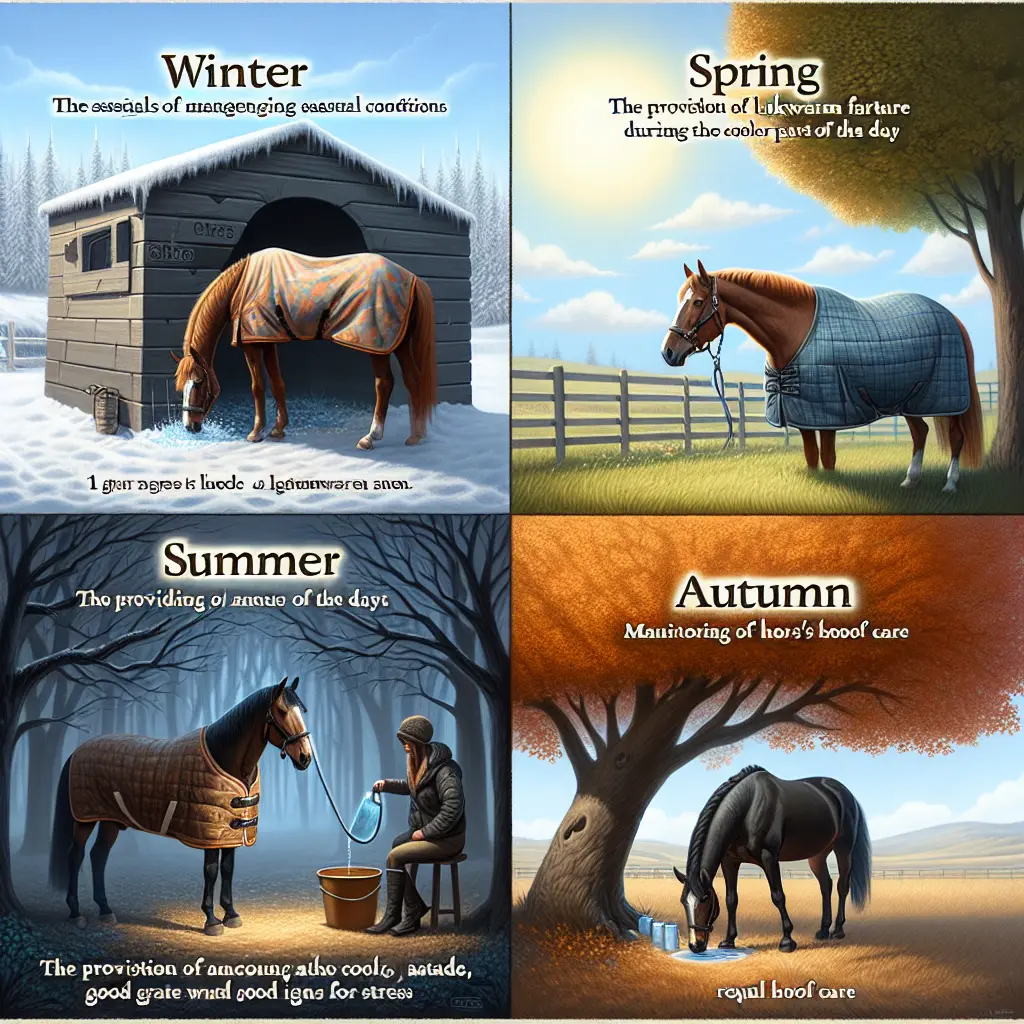
Though horses are remarkably adaptable, they still require protection from extreme weather. Essential to this is ensuring access to proper shelter or windbreaks. These can be natural, like a line of trees or a hedge, or man-made, such as an open-faced shed. In colder months, a windbreak helps mitigate temperature fluctuations, reducing the risk of cold stress and frostbite. A shelter becomes particularly vital for fully clipped horses rugs collection that need extra warmth [2].
Adjust Feeding and Turnout Practices
Changing weather may significantly alter your horse's nutritional needs. During cold spells, increased forage intake can help generate body heat. On the other hand, adjust pasture turnout to cooler parts of the day during hot weather to prevent heat stress. Monitoring grass quality and modulating grazing time is also essential [1].
Ensure Proper Hydration
Hydration is critical, no matter the season. In hot weather, provide fresh, cool water, whereas, in cold weather, offering lukewarm water can encourage regular drinking, preventing dehydration. Supplements like electrolytes are beneficial in supporting hydration levels and replenishing electrolytes lost during sweating [1].
Monitor Health and Behavior
Unpredictable weather can stress horses, leading to various health issues. Watch for signs of discomfort or problems such as altered eating habits, lethargy, depression, or unusual behavior. Early detection and intervention can stop minor issues from becoming significant health concerns [1].
Manage Heat and Cold Stress
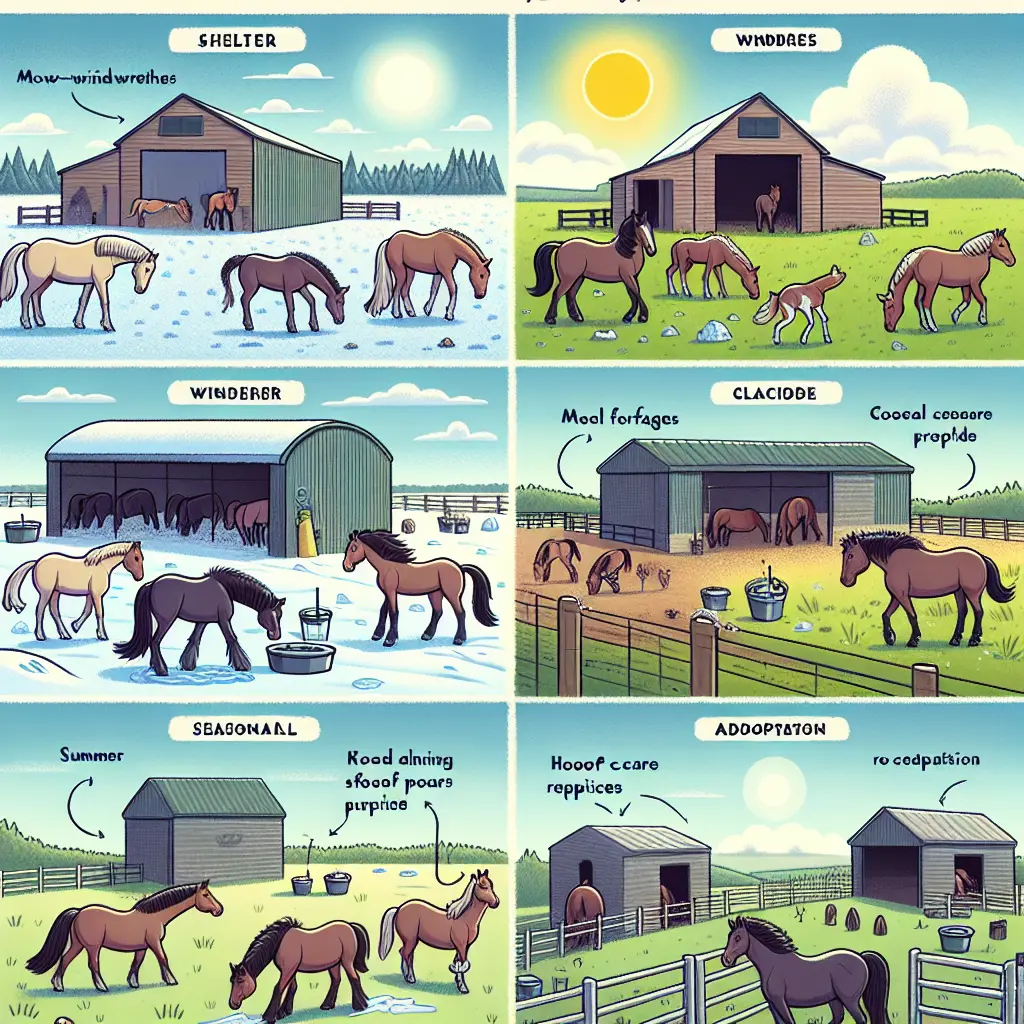
Horses handle cold better than heat and humidity, but both extremes call for careful management. Providing shade and airflow in hot weather helps in promoting sweat evaporation and keeping your horse cool. Ventilated barns and strategic use of insulation can significantly benefit them. Conversely, in cold conditions, horses with a good winter coat can handle severe weather, but others, like clipped horses, need additional protection with blankets or turnout rugs and shelter [2].
Consider the Impact of Climate Change
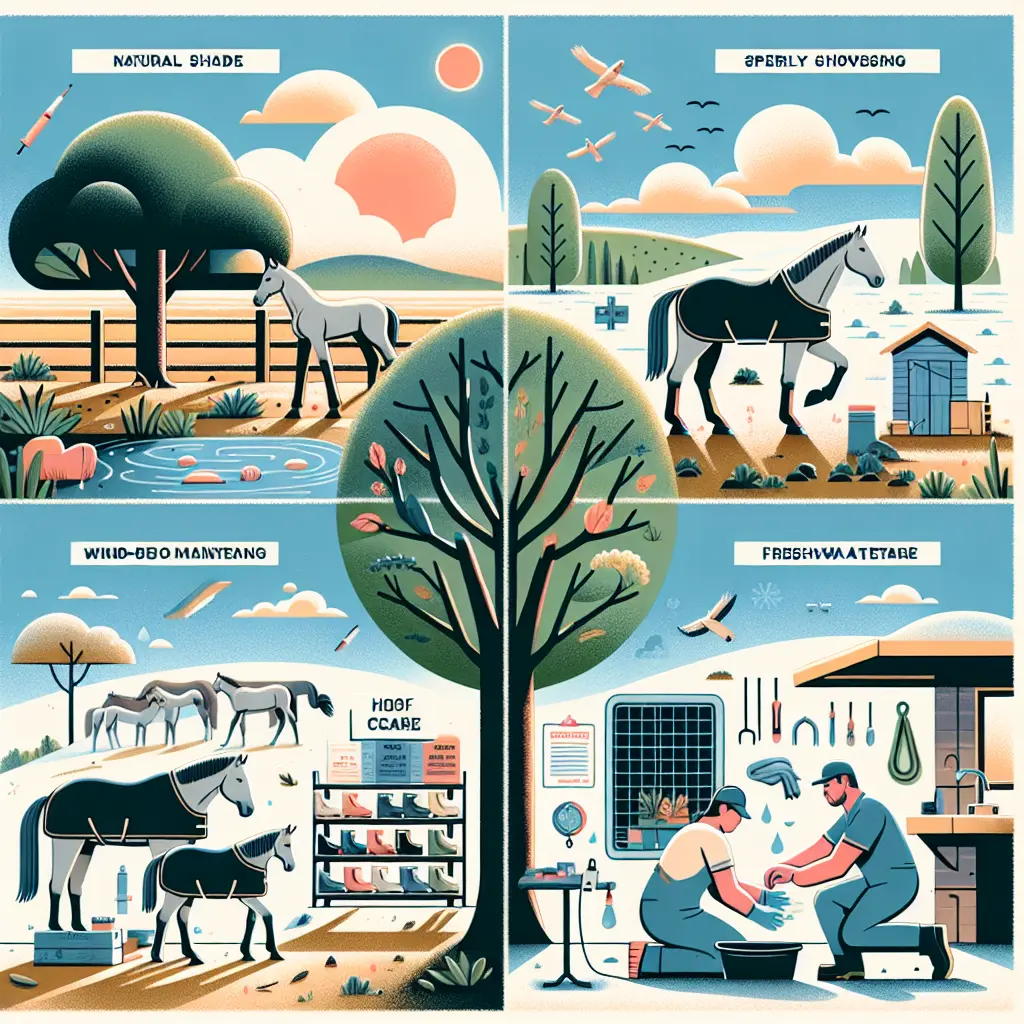
Climate change has led to more extreme and unpredictable weather patterns, significantly impacting horse health. Retrofitting properties for irregular weather events, such as planting trees for shade or managing pasture weeds for overgrazing prevention is critical. Maintaining consistent access to fresh water and implementing good hoof care are paramount adaptations [4].
Be Proactive and Plan Ahead

Creating a seasonal horse care checklist assists in staying on top of your horse’s changing needs. This checklist should cover regular feeding adjustments, turnout practices, and health monitoring. By planning and gradually altering routines, horses can adjust smoothly to seasonal changes and erratic weather conditions [1].
Understand Equine Adaptation to Weather Changes
While horses are generally adaptable to shifts in temperature, abrupt and severe changes can be stressful. When moving horses between drastically different climates, it's crucial to ensure they acclimate properly. Their body heat regulation mechanisms need time to adjust, and a gradual transition is key in avoiding stress [2].
Special Considerations for Vulnerable Horses
Certain horses, including foals, weanlings, and the elderly, are more susceptible to weather-induced health issues. Extra care, such as closer monitoring of hydration levels and body temperature, and ensuring access to appropriate environments, becomes necessary [5].
Regular Hoof Care and Health Maintenance
Changing weather can dramatically affect a horse's hooves. Drought conditions can dry them out, whereas wet weather can increase growth and susceptibility to diseases. Therefore, a regular, year-round hoof care schedule in collaboration with a knowledgeable farrier is crucial for maintaining hoof health [4].
Conclusion
Ensuring your horse remains healthy and comfortable throughout fluctuating weather conditions calls for a blend of proactive planning, vigilant observation, and timely care adjustments. By providing adequate shelter, adjusting feeding and turnout practices, maintaining proper hydration, and closely monitoring health, you can ensure your horse stays happy and thriving all through the seasons.
Remember, every horse is unique, and learning their individual needs for adapting care strategies is vital. By staying informed about climate changes and its effects on equine health, and making necessary adjustments, you'll safeguard your horse's well-being. Be prepared, proactive, and invest in reliable horse riding apparel and supplements to further enhance your care regimen.