Exploring Ethical Dilemmas Faced by Equine Veterinarians in the Modern Horse Sport Industry
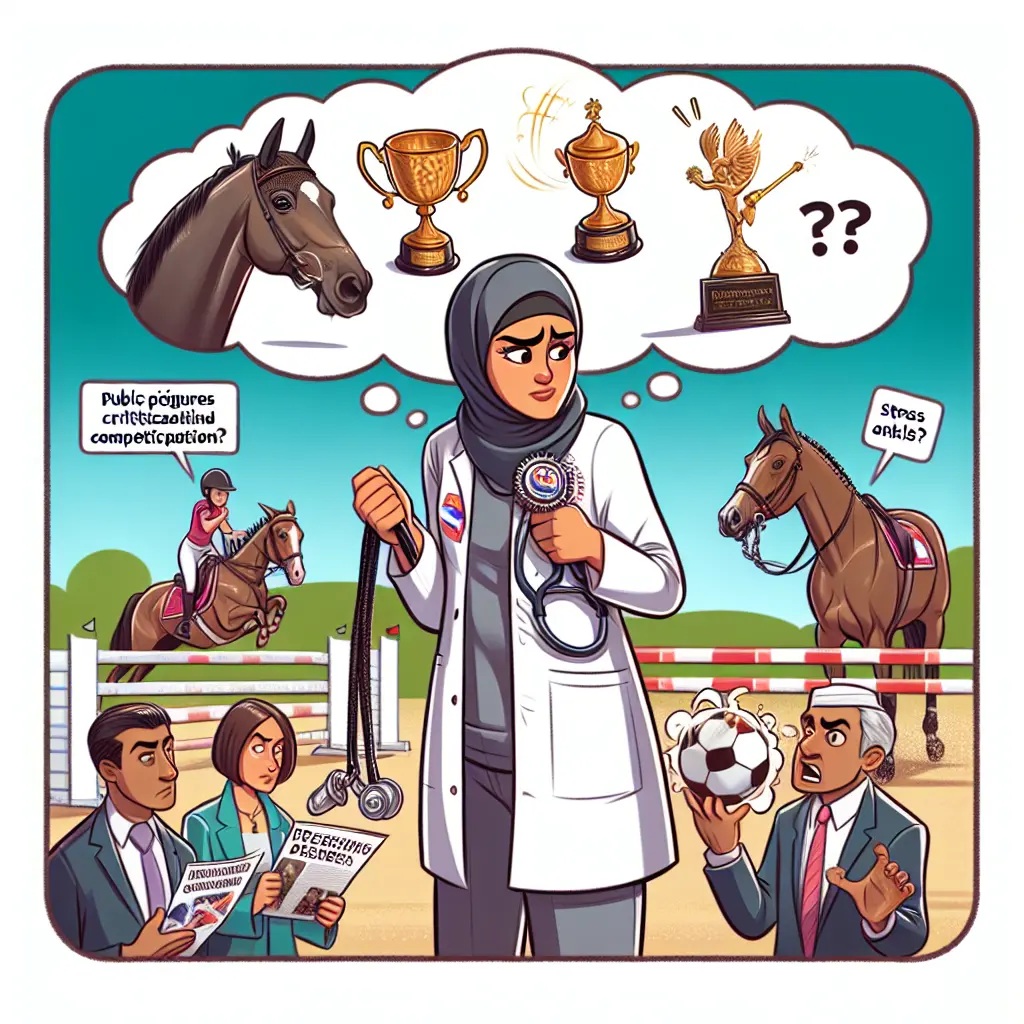
The exciting and competitive world of horse sports is a spectacle for many, but it presents numerous ethical complexities that are often hidden from the public eye. At the forefront of navigating these challenges are equine veterinarians who must balance the welfare of horses against competing demands. This blog delves into the ethical dilemmas veterinarians face, highlighting the critical aspects that affect their decisions.
The Source of Moral Distress
Moral distress is a significant ethical dilemma for equine veterinarians as it arises when they are unable to do what they believe is right due to external constraints. This issue leads to mental health problems such as burnout, anger, depression, and anxiety. Common cases that cause moral distress include laminitis and conflicts with horse owners over decision-making.
Conflicts of Interest: Balancing Owner Demands and Animal Welfare
One of the fundamental ethical challenges in equine sports medicine is the tension between prioritizing a horse's health and meeting the demands of owners. Veterinarians often feel compelled to compromise on animal welfare to enable horses to compete quickly, which can jeopardize their long-term well-being.
The Psychological Impact on Veterinarians
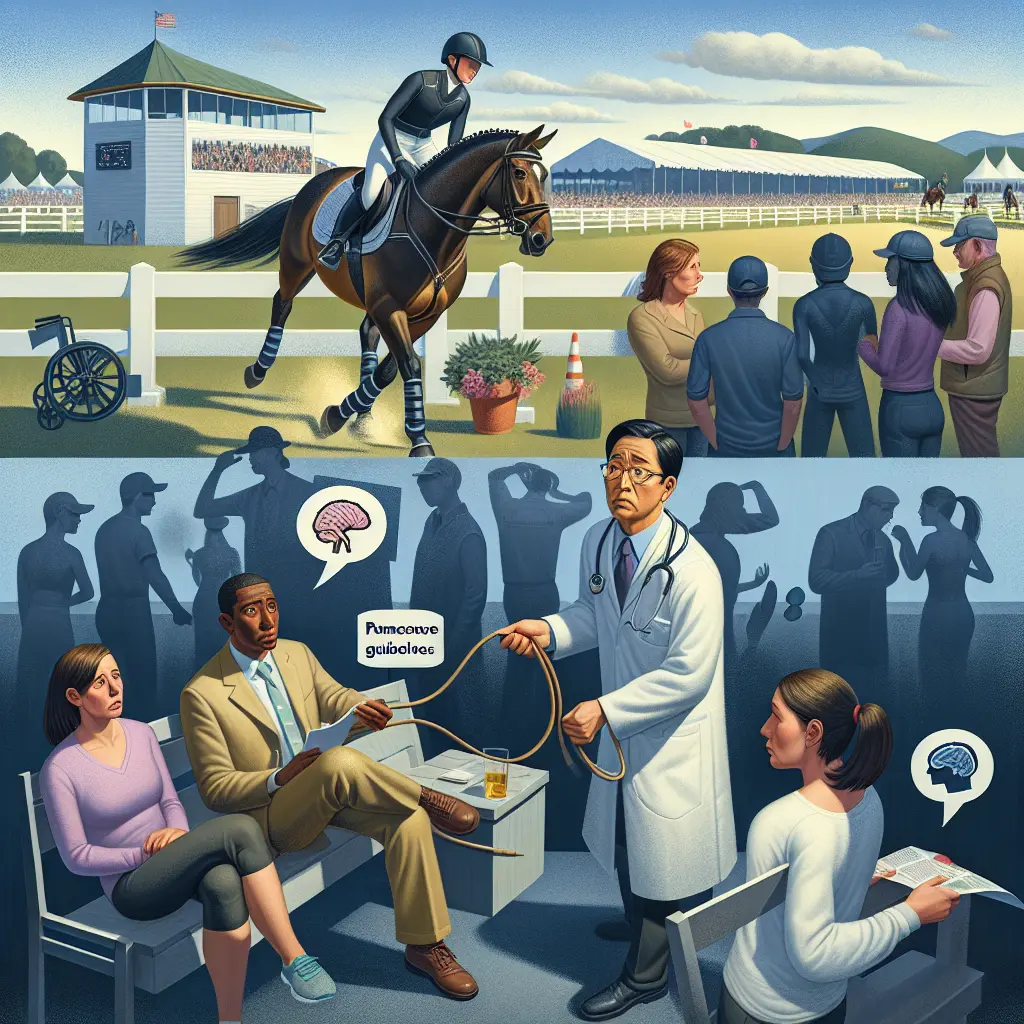
The ethical dilemmas faced by equine veterinarians have a profound psychological impact. Veterinary professionals often experience high stress and moral distress levels, compounded by inadequate ethical decision-making training. Comprehensive ethical training and support are needed to alleviate these burdens.
Public Perception and Social License to Operate
Equestrian sports face scrutiny regarding their social acceptability, with incidents of horse abuse and scholarly criticism contributing to this view. The industry's social license to operate is at risk due to these negative perceptions, underlining the need for more ethical treatment of animals.
Misinterpretation of Horse Behavior
Equestrian stakeholders often neglect the mental state and behavioral needs of horses, leading to misinterpretations of behaviors like aggression. These "problem" behaviors are sometimes wrongly attributed to character flaws rather than welfare issues.

The Impact of Equipment and Training Practices
The use of certain equipment and training practices in horse sports raises ethical concerns. For instance, the use of bits in horse riding has been criticized for being invasive and causing pain to horses, leading to ethical dilemmas for veterinarians who treat these horses.
Coping Strategies and Support Networks
Given the ethical and psychological challenges, developing effective coping strategies is crucial for veterinarians. These can include physical exercise, spending time with family, or engaging in hobbies. Establishing a support network within veterinary practices is also vital.
Conclusion
Equine veterinarians face multifaceted and complex ethical dilemmas in the modern horse sport industry, requiring a balance of animal welfare, client expectations, and professional obligations. By improving regulatory oversight and providing comprehensive support, the integrity of the veterinary profession can be maintained.
Additional Resources
- Explore our Jodhpur Collection.
- Check out our Horse Riding Boot Collection.
- For comfort, see our Horse Riding Gloves Collection.
- Keep warm with our Horse Riding Socks Collection.
- Surprise your horse with a treat from our Treats And Gifts range.
- Want a healthy horse? Try our Everyday Horse Supplements.
- Keep your horse cozy with our Stable Rugs Collection.
- Prepare for any weather with our Turnout Rugs.
- Ensure your horse is free from pests with our Horse Fly Protection.