

How to Choose the Best Equine Vet for Pre-Purchase Horse Vetting in Hay-on-Wye
Buying a horse is both exciting and sometimes a bit nerve-wracking, especially for those stationed at the picturesque Hay-on-Wye. Ensuring you make an informed choice is crucial, and pre-purchase vetting by a qualified equine vet is a necessary step in this process. This guide will walk you through selecting the ideal equine veterinarian for your pre-purchase vetting, offering the tools you need to make your decision with confidence.
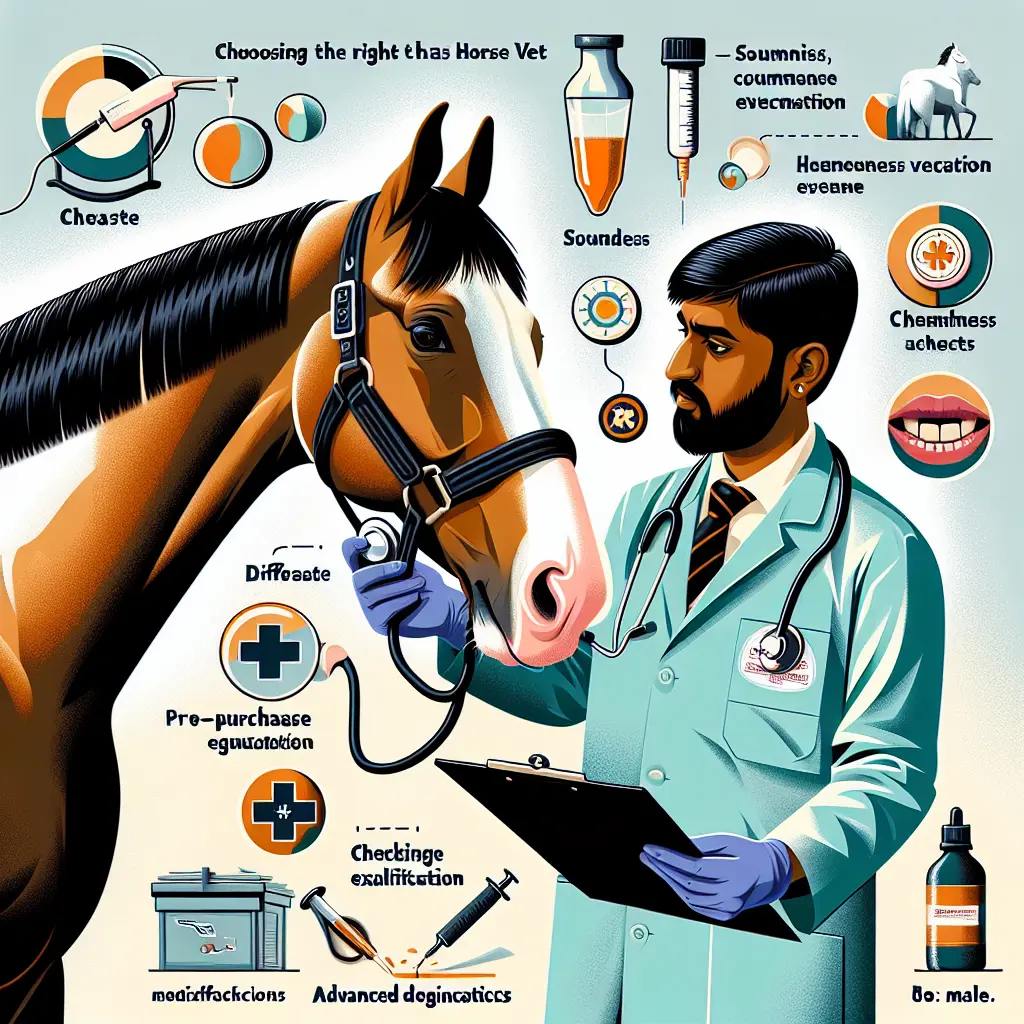
Why a Pre-Purchase Vet is Essential
A pre-purchase exam isn’t about passing or failing a horse; rather, it provides a comprehensive summary of their health and soundness—a task well-defined by the American Association of Equine Practitioners (AAEP). This entails identifying: previous injuries, possible lameness, and potential internal disease.
Without the insights from a pre-purchase vet, you might end up buying a horse whose unforeseen health compromises turn into costly burdens. Thus, securing a thorough vetting protects your investment.
What to Look for in an Equine Vet
Choosing the right veterinarian is as important as the exam itself. Here are the key qualities to ensure your vet meets the bar:
Equine-Specific Experience
Opt for a veterinarian who excels in equine-specific conditions. General practitioners might miss the nuanced signs specific horses exhibit, so specialization is non-negotiable.
Impartiality and Independence
The veterinarian should be independent of any previous relation with either the seller or the horse to provide an unbiased evaluation. Any past interactions should be transparently communicated to you.

Experience with Your Horse's Discipline or Breed
Disciplines vary, be it dressage or showjumping. Vets experienced in your horse's specific discipline can provide deeper insights into their suitability for your sporting needs.
Comprehensive Exam Approach
Ensure the vet has a holistic approach, encompassing physical and neurological evaluations and advanced diagnostics like X-rays or bloodwork, tailoring the examination to the horse’s value and purpose. Delve into AAEP’s guidelines for detailed insights.
What Happens During a Pre-Purchase Exam?
Familiarizing yourself with the pre-purchase process can help reduce anxieties and equip you to ask pertinent questions:
Medical and Performance History
Understanding the horse takes more than firsts glance. A vet reviews past medical records and performance scores to spot potential flags.
Physical Examination
Your chosen vet will assess overall health and behavior, checking for unnoticed injuries or dental abnormalities—elements that often go unnoticed to the untrained eye.
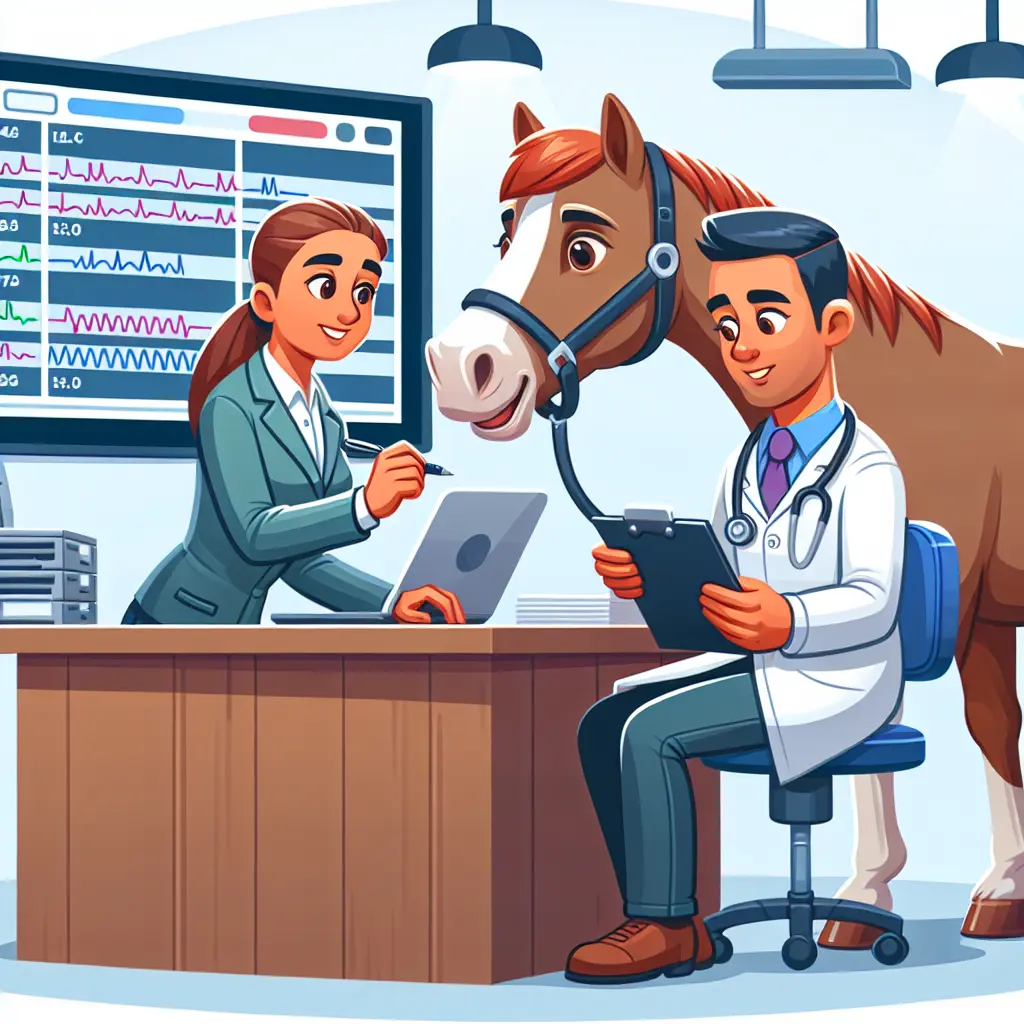
Lameness and Soundness Evaluation
The horse’s movements and gait on varied surfaces allow the vet to assess joint conditions and identify any long-standing issues through flexion tests and more.
Advanced Diagnostics (If Needed)
Advanced diagnostics such as X-rays or ultrasounds might be recommended for valuable horses or those with prior injuries, offering detailed insights into unseen challenges.
How to Find the Right Vet in Hay-on-Wye
Finding an excellent vet requires some detective work but yields invaluable peace of mind. Consider the following steps:
Ask for Recommendations
Seek insights from local horse enthusiasts, trainers, or riders. They’ll often share candid reviews or offer leads on well-regarded local veterinarians.
Check Qualifications and Experience
Ensure your vet is a member of professional bodies such as the British Equine Veterinary Association (BEVA). This membership highlights dedication to cutting-edge practices and adherence to the highest standards.

Read Reviews and Testimonials
Online reviews anchor a vet’s reputation, shedding light on the quality of their care and patient satisfaction.
Schedule a Consultation
An initial meeting can help you gauge their communication style and expertise. Understanding is key to a successful partnership.
The Importance of Clear Communication
A stellar vet doesn’t just evaluate a horse; they teach you. Clear, jargon-free explanations of their findings and the awareness of an exam’s limits—some conditions aren’t discoverable in a single day—cultivate trust. Don’t hesitate to seek clarity on confusing points.
Final Tips for a Successful Vet Visit
- Be transparent about your aspirations for the horse. The tailored assessment aligns with your needs and expectations.
- Bring relevant medical documents for the vet to review, ensuring a comprehensive understanding.
- Price discussions are important; communicate your budget boundaries and evaluate the level of detail required for the exam.
Conclusion
In essence, selecting the right equine vet for your pre-purchase horse vetting in Hay-on-Wye is pivotal for making an informed purchase. By choosing a competent, fair, and experienced veterinarian, you are equipping yourself with the precise insights necessary to make a prudent investment choice. While no exam guarantees the future, it’s your best tool for health and suitability assessment.
For an enriching experience in horsemanship and if you're looking to gear up with quality equestrian apparel, explore our Jodhpur Collection, Horse Riding Boot Collection, and Horse Riding Gloves Collection.