

A Comprehensive Guide to Understanding Hay and Bedding Costs for Horse Owners
Owning a horse is a rewarding experience but comes with significant expenses, particularly when it comes to hay and bedding. Understanding these costs is vital for any aspiring or current horse owner. This guide will provide detailed insights on hay and bedding costs, including pricing factors, regional variations, strategies for saving money, and how they fit into your overall horse care budget.
Understanding Hay Costs for Horses
How Much Does Hay Actually Cost?
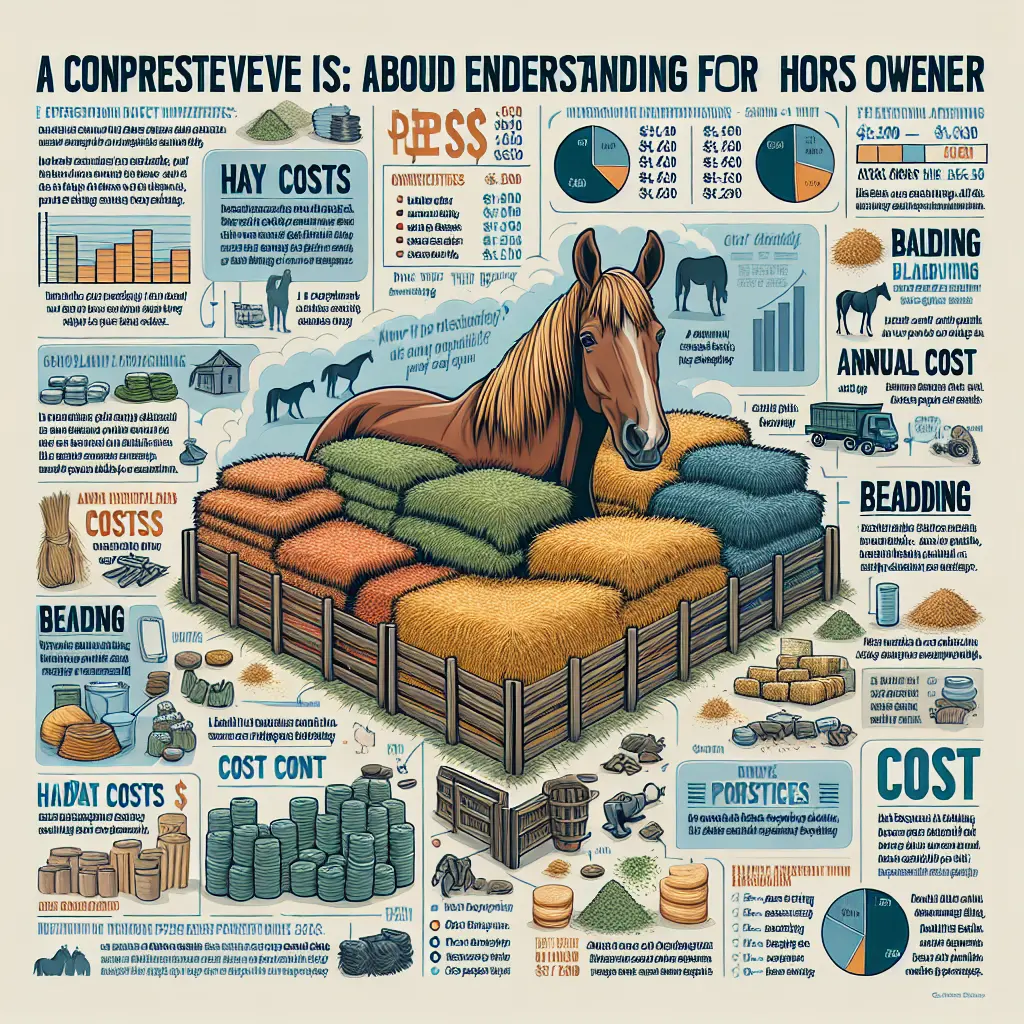
Hay pricing can be confusing due to multiple factors impacting the costs, which can range significantly from $10 to $25 per smaller bale and $100 to $200 for larger quantities. For a practical example, a 50-pound square bale—the most common size for horse owners—typically costs between $4 and $25, depending on the region and availability [2].
Annual Hay Expenses for Your Horse
A typical 1,200-pound horse will consume approximately 20 pounds of forage daily, equating to an annual expenditure of $500–$650 on hay [2]. This expense can increase significantly in regions experiencing droughts or supply constraints.
Factors That Influence Hay Pricing
Location and Regional Variations
Your geographic location hugely influences hay costs. Costs can vary from as little as $7.50 for a small square grass hay bale in Kentucky to $12–$18 in drier states like Arizona or California [1]. These differences highlight the significant impact of transportation costs and local supply.
Hay Type and Quality
Different types of hay command differing prices. Types such as alfalfa hay, a nutrient-rich option preferred by many horse owners, can be substantially more expensive than grass hay varieties [5].
Seasonal Variations
The availability and cost of hay fluctuate throughout the year. Fresh hay is more abundant and affordable immediately after harvest, while prices often rise during winter months when supplies are confined.
Bulk Purchasing Benefits
Buying hay in bulk often reduces your cost per pound compared to purchasing smaller quantities. This approach can result in significant savings [1].
Understanding Bedding Costs for Horses
Annual Bedding Expenses
Bedding is another major cost. Stabling your horse full-time might cost around $600–$1,000 annually [2]. Adjust this budget based on how much time your horse spends in the barn.
Types of Bedding Materials
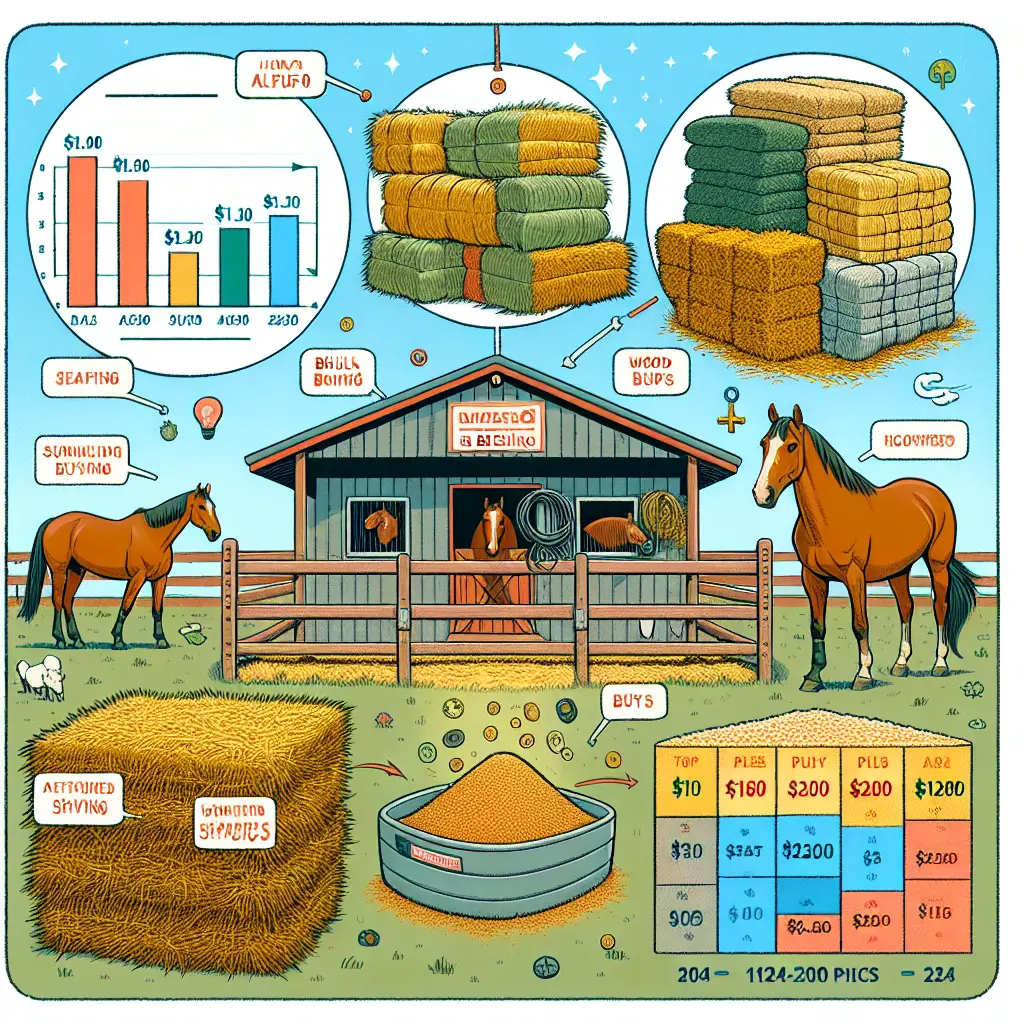
Common bedding options include wood shavings, straw, and wood pellets [6]. Each presents different costs and benefits.
Wood Shavings
Wood shavings are widely used in the UK and North America. Brands like Bedmax offer consistent quality and hygiene standards [6].
Straw
Straw remains a popular choice but can be full of dust, impacting horse health. As farming costs increase, straw is also becoming more expensive.
Emerging Sustainable Options
Eco-conscious horse owners are increasingly opting for sustainable options such as straw, hemp, or sustainably sourced wood shavings [4].
Factors Affecting Bedding Costs
Raw Material Fluctuations
Changes in the cost and availability of raw materials like straw and wood have a major impact on the pricing of bedding [4].
Health Costs as Hidden Expenses

Using cheap bedding may lead to respiratory diseases, resulting in significant veterinary costs. Investing in better-quality bedding reduces these risks [6].
How Hay and Bedding Fit Into Your Overall Horse Budget
Total Annual Feeding and Housing Costs
Hay and bedding together are substantial parts of horse ownership costs. While feeding varies from $1,200 to $2,500 annually, bedding can add an extra $600-$1,000 to this amount [2,8].
Complete Budget Overview
An understanding of the complete cost scenario is crucial for horse ownership. Here's a breakdown:
| Expense Category | Annual Cost Range |
|---|---|
| Veterinary Care | $200 - $500 |
| Feeding (including hay) | $1,200 - $2,500 |
| Bedding | $600 - $1,000 |
| Hoof Care | $400 - $800 |
| Boarding (if applicable) | $3,000 - $12,000 |
Practical Strategies for Managing Hay and Bedding Costs
Finding Local Hay Sources
Retail markups can be significant. Seek alternatives like local producers via Craigslist or your county's agricultural extensions [1].
Buying in Bulk
Reduce overall costs by buying hay in bulk. Although it requires storage space, the savings for long-term horse owners are substantial [1].
Choosing Cost-Effective Bedding Without Compromising Quality
Innovations in bedding materials allow you to choose cost-effective options without sacrificing quality or your horse's health [6].
Planning for Future Price Pressures
Expect financial pressures in 2025, including raw material, transport, and inflationary costs. Budget conservatively and explore bulk-buying strategies to manage these anticipated pressures [6].
The Investment in Quality
Investing in quality hay and bedding is more than just a financial decision; it's about health. As prevention is cheaper than treatment, high-quality options will save money in the long run [6].
Conclusion
Understanding hay and bedding costs is a substantial aspect of responsible horse ownership. With awareness of the factors influencing these prices, combined with strategic approaches, horse owners can efficiently manage these expenses. Plan for $2,400–$3,500 per year for hay and bedding alone, considering variations in prices and maintaining flexibility with market conditions. Your horse's well-being and your financial responsibility depend on careful planning and good decisions.