

How to Treat and Prevent Rainscald in Horses' Ears Without Shampoo: Expert Tips and Solutions
Horse owners often encounter the persistent challenge of dealing with rainscald or rain rot, primarily in moist climates. This bacterial skin infection can severely impair a horse's wellbeing, especially when it targets sensitive areas like the ears. Here, we will explore how to treat and prevent rainscald in horses' ears without using shampoo, utilizing non-invasive methods that focus on your horse's health and comfort.
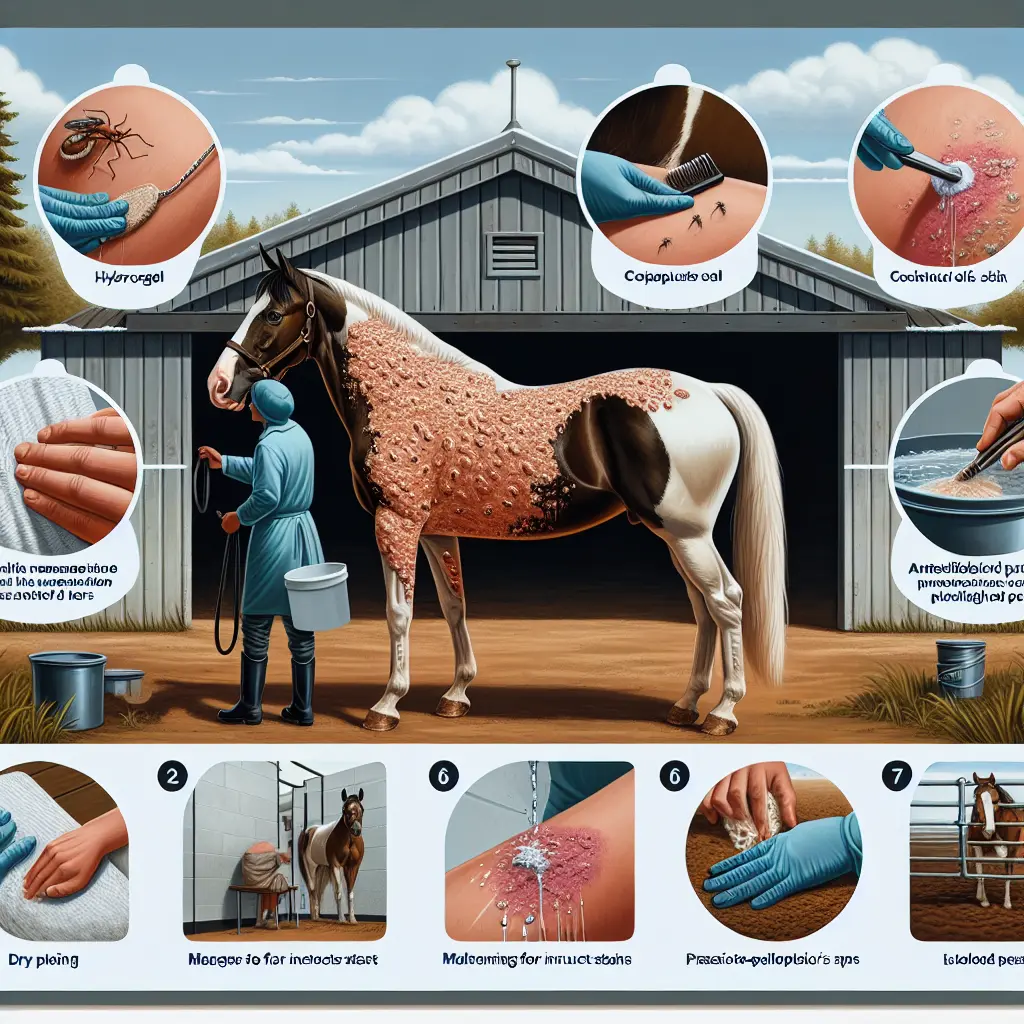
Understanding Rainscald
Rainscald is caused by bacteria that flourish in wet environments. This makes it crucial to keep your horse dry to prevent infections. The bacteria reside beneath scabs, which can ooze and cause discomfort[2]. Early identification of symptoms is vital for effective treatment and prevention.
Treating Rainscald in Horses' Ears
1. Remove Scabs Carefully
Removing scabs must be a gentle process to avoid causing pain:
- Use Hydrogel: Apply it generously to the affected area to gently loosen the scabs. This soothes the skin and supports healing[1].
- Brushing: Employ a soft-bristled brush to softly remove scabs. Brushing facilitates the natural removal of scabs without inflicting pain[1].
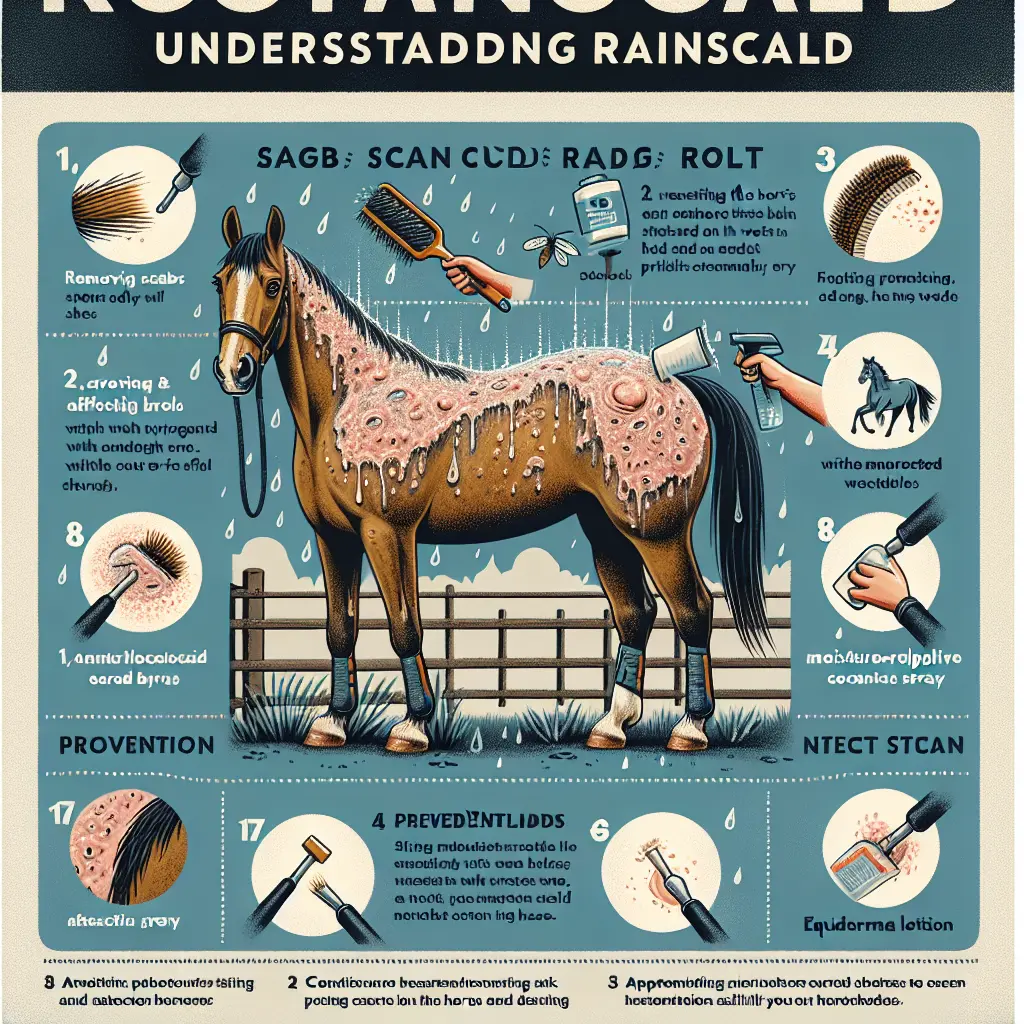
2. Clean the Area
After scab removal, it's important to cleanse the area with an antimicrobial spray to prevent further infection and stop the spread of bacteria[2].
3. Apply Topical Treatments
Consider using topical treatments such as Equiderma lotion. This contains neem oil, effective against rainscald, and can be applied once or twice daily to foster healing[4].
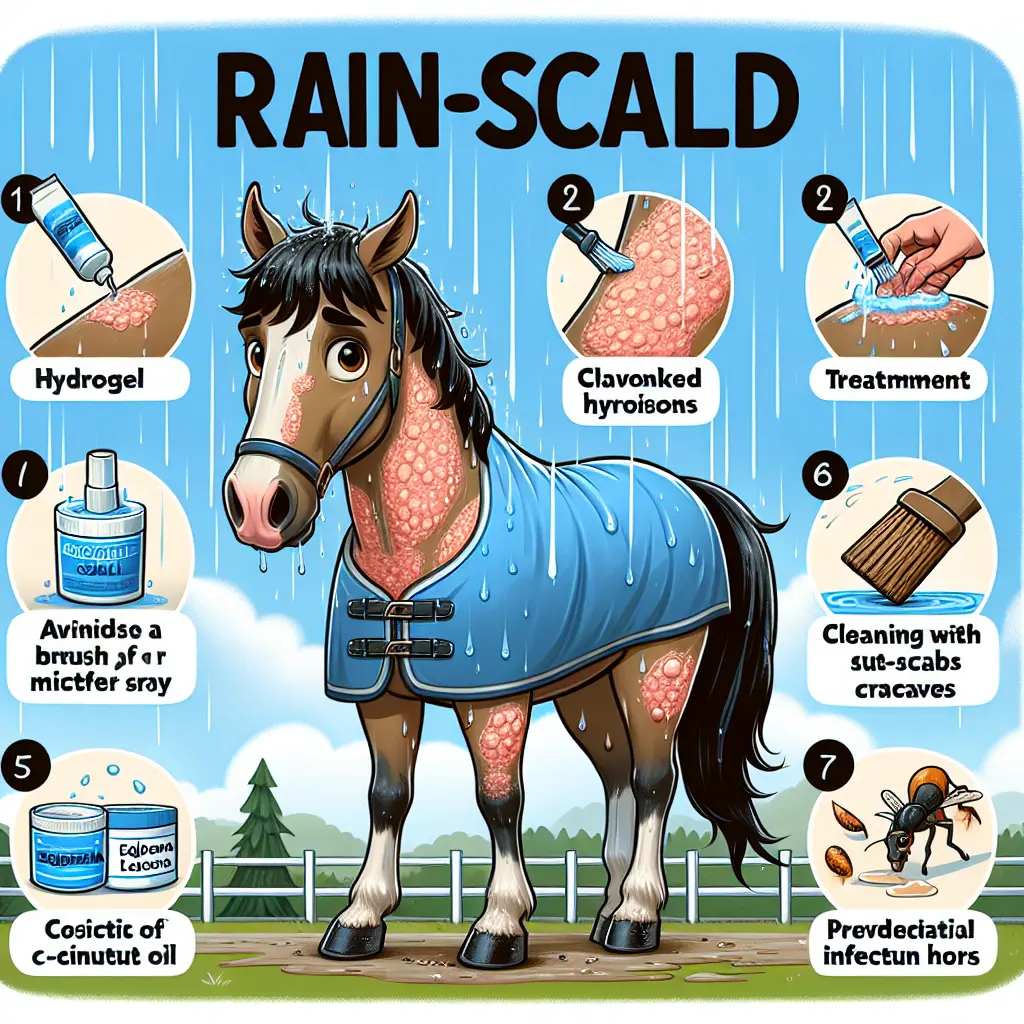
Preventing Rainscald in Horses' Ears
1. Keep Your Horse Dry
Ensure your horse’s environment is consistently dry. Implement the use of waterproof blankets and maintain a clean stable to diminish the risk of infection[1].
2. Avoid Wet Conditions
Whenever possible, limit your horse's exposure to wet and muddy fields. Shelter your horse during heavy rainfalls to prevent onset of rainscald[2].
3. Use Moisture-Repellent Products
Apply products like coconut oil, Vaseline, or zinc oxide creams on susceptible areas to thwart moisture contact with the skin[3].
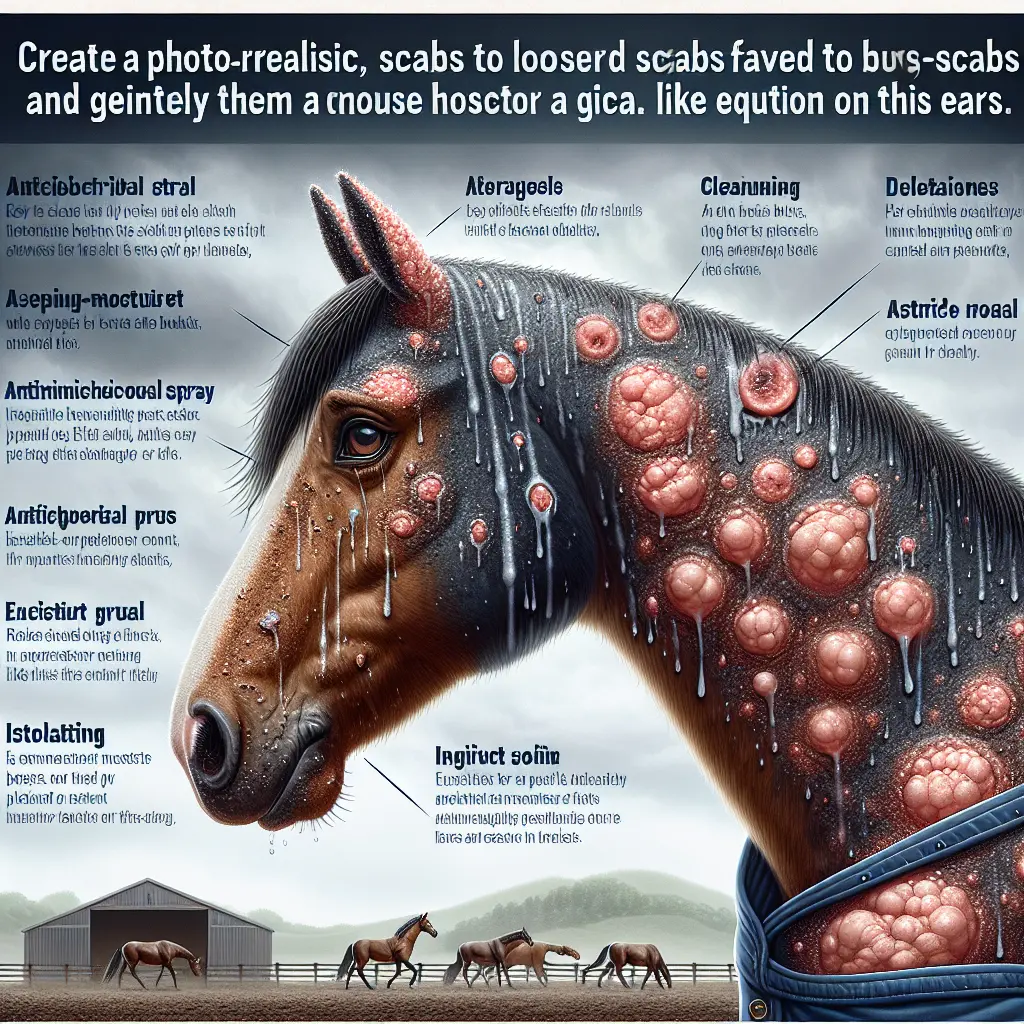
4. Monitor for Insects
Insects can exacerbate the spread of bacteria causing rainscald. Implement effective insect control strategies like pyrethroid-based insecticides or introducing parasitoid wasps[2]. Learn more about effective horse fly protection here.
5. Isolate Infected Horses
Isolate horses displaying signs of rainscald and regularly disinfect grooming tools to prevent further spread of the bacteria[2].
Image Usage and Importance in Rainscald Prevention
Incorporating images can aid in educating horse owners about spotting rainscald in its early stages and how to treat it thoroughly. Here, you can visualize practical care techniques and expert recommendations for maintaining your horse's health.
Conclusion
Alleviating and preventing rainscald in horses' ears necessitates focused attention on keeping affected areas dry and clean, gentle scab removal approaches, and the use of topical medicaments. By adhering to these expert tips, horse owners can ensure their animals' recovery without necessitating shampoo, safeguarding the well-being and comfort of their equine partners.
Exploring related equine care topics or products like the Jodhpur Collection, or how to incorporate everyday horse supplements into your horse's diet, can provide a comprehensive foundation for exceptional horse care.