

What Are the Best Solutions for Adjusting Horse Rugs for an Optimal Fit?
For many horse lovers, the importance of a well-fitted horse rug cannot be overstated. Just like the perfect pair of jeans, the right fit ensures comfort and practicality! A rug that's just right can decrease grooming time by up to 25% (Source). Let’s delve into some exceptional solutions for achieving the perfect rug fit for your equine friend.
Why Proper Rug Fit Matters
Before getting into the nitty-gritty of rug adjustments, it’s crucial to understand why a correctly fitting rug is indispensable. A snug rug delivers protection against weather and reduces health complications. On the flip side, a poorly fitting rug can result in pressure points and behavioral issues due to discomfort (Source). The secret sauce? Measure your horse like a pro!
Solution 1: Accurate Initial Measurement
A sound rug fit begins with precise measurement. Think of this as laying the cornerstone for a stunning palace.
How to Measure Your Horse Correctly
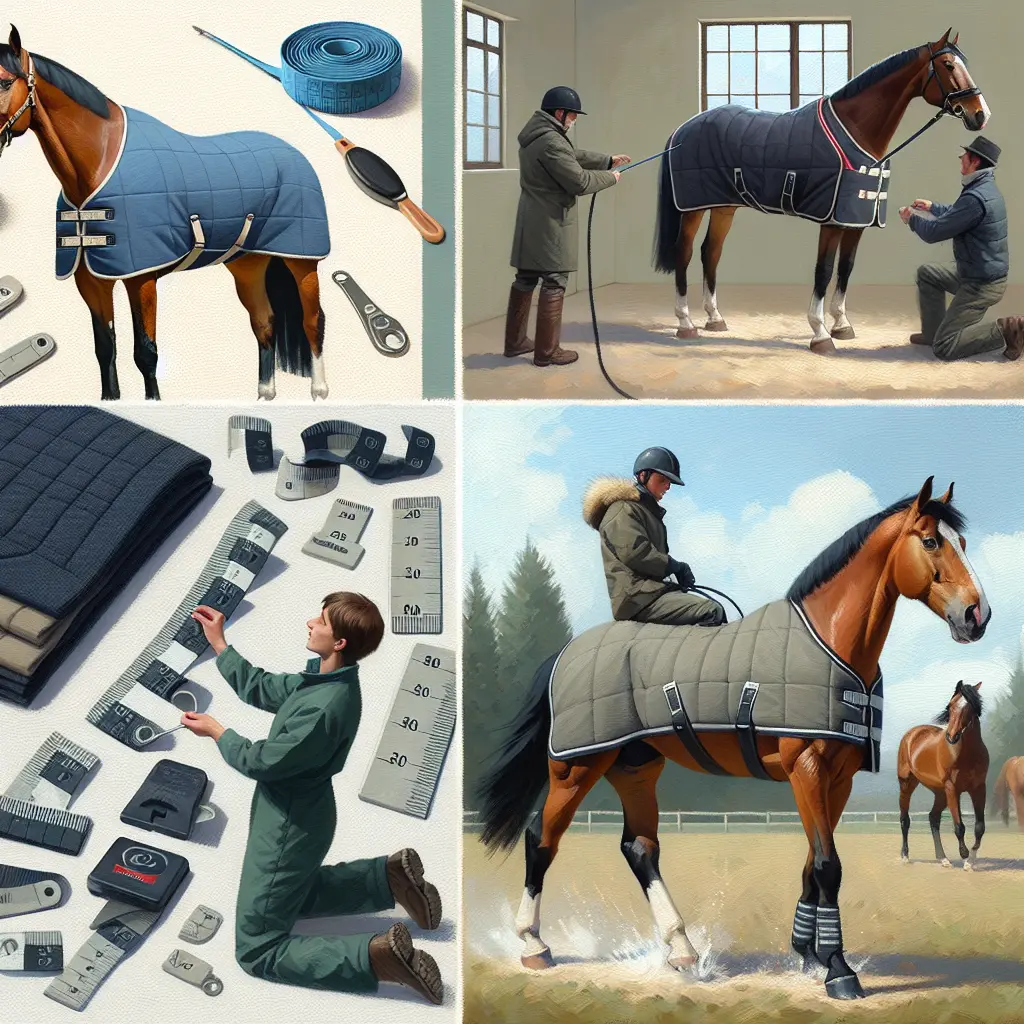
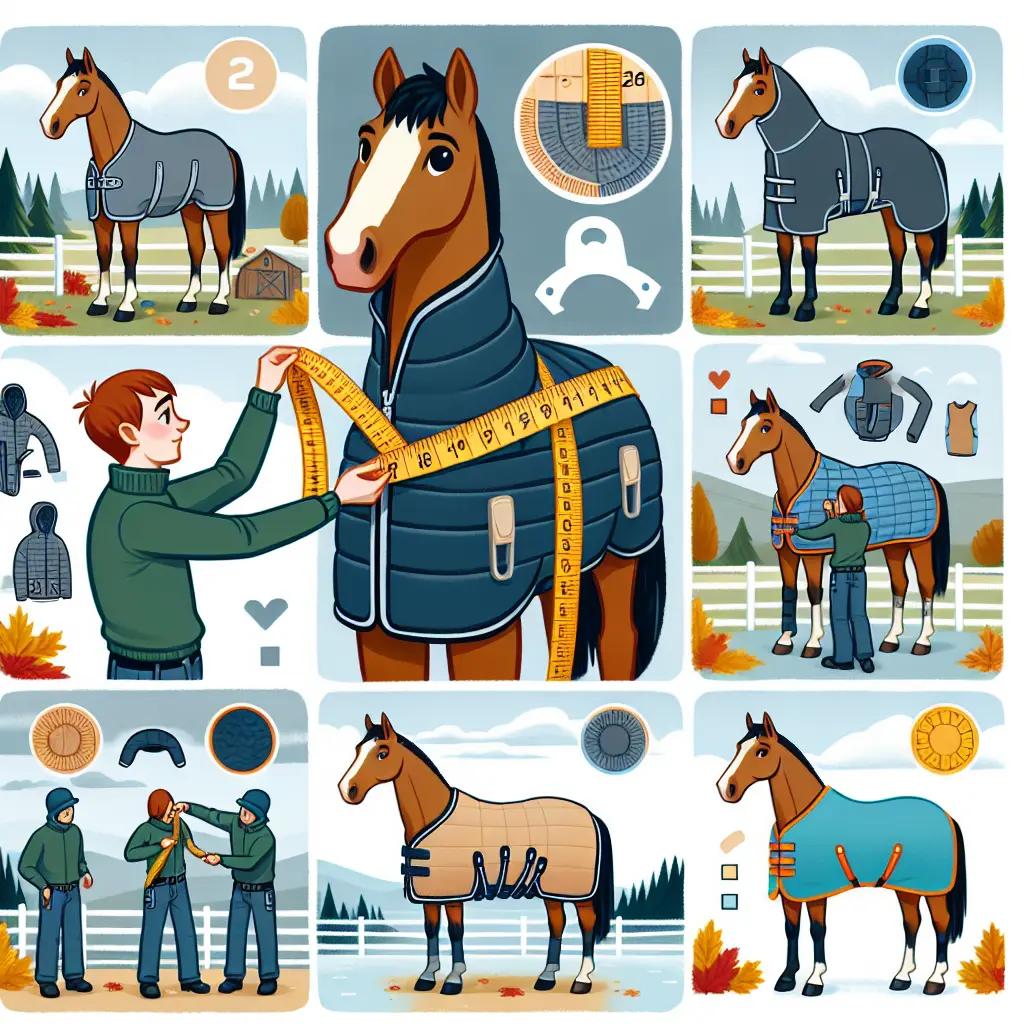
Grab a soft tape measure and an assistant:
- Start at the center of the horse's chest, aligning with the top chest buckle.
- Run the tape along the belly's side to the furthest point of the rump.
- Avoid measuring to the tail unless you want a rug that triples as a wind sail!
- Check both sides for accuracy because symmetry is not just for geometry!
Important Measuring Tips
Want an insider’s tip? Measure from the chest to the tail center, subtract 4 inches for turnout rugs or 7 inches for stable rugs to get that ideal balance (Source).
Solution 2: Understanding Rug Fit Assessment
So you’ve got your horse in a rug. You’re not done yet. The next chapter is all about assessing the fit.
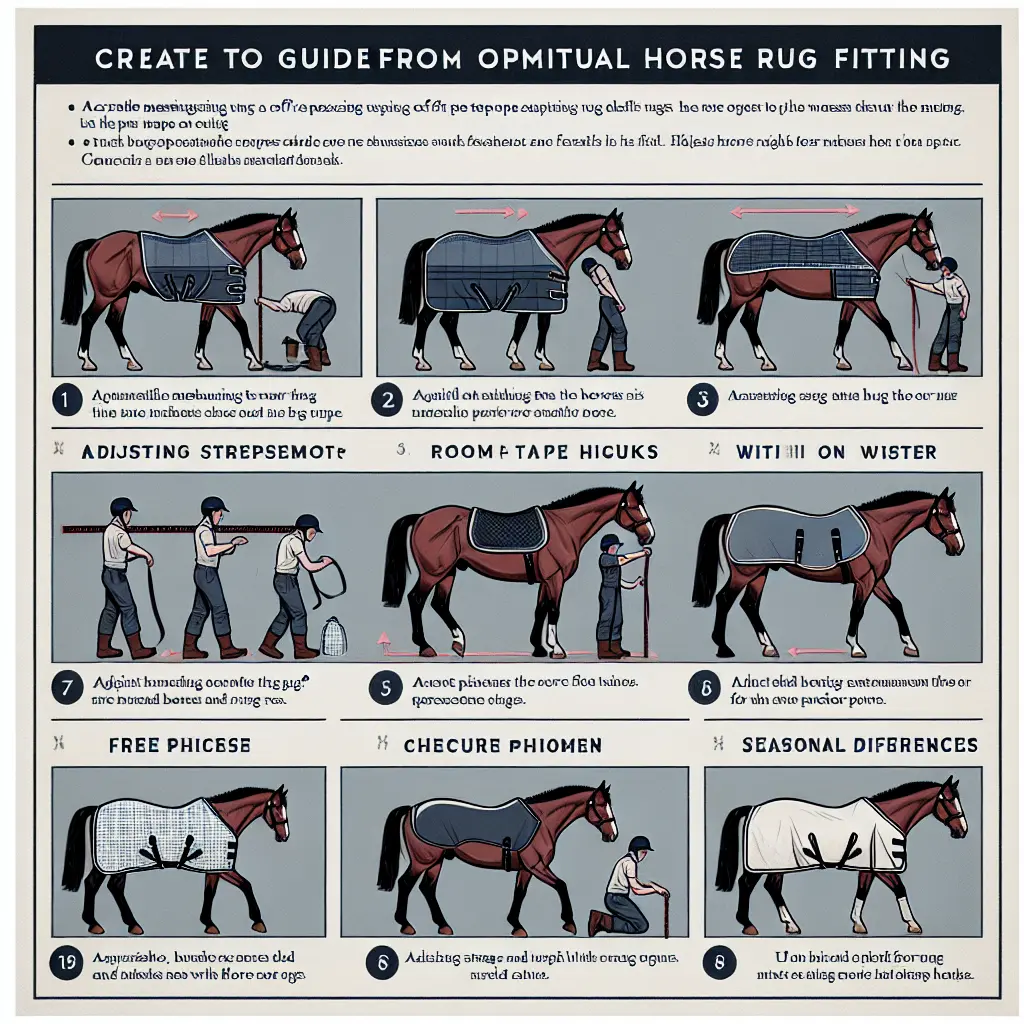
Key Fit Checkpoints
A well-fitting rug is like a well-tailored suit:
- The chest and neck should fit snugly but allow room around the shoulders.
- The top chest buckle should fasten comfortably within the first two holes.
- The rug should elegantly cover the wither, avoiding any pressure (Source).
Solution 3: Adjusting Straps and Fastenings
Straps are akin to the buttons on our shirt—they hold everything together.
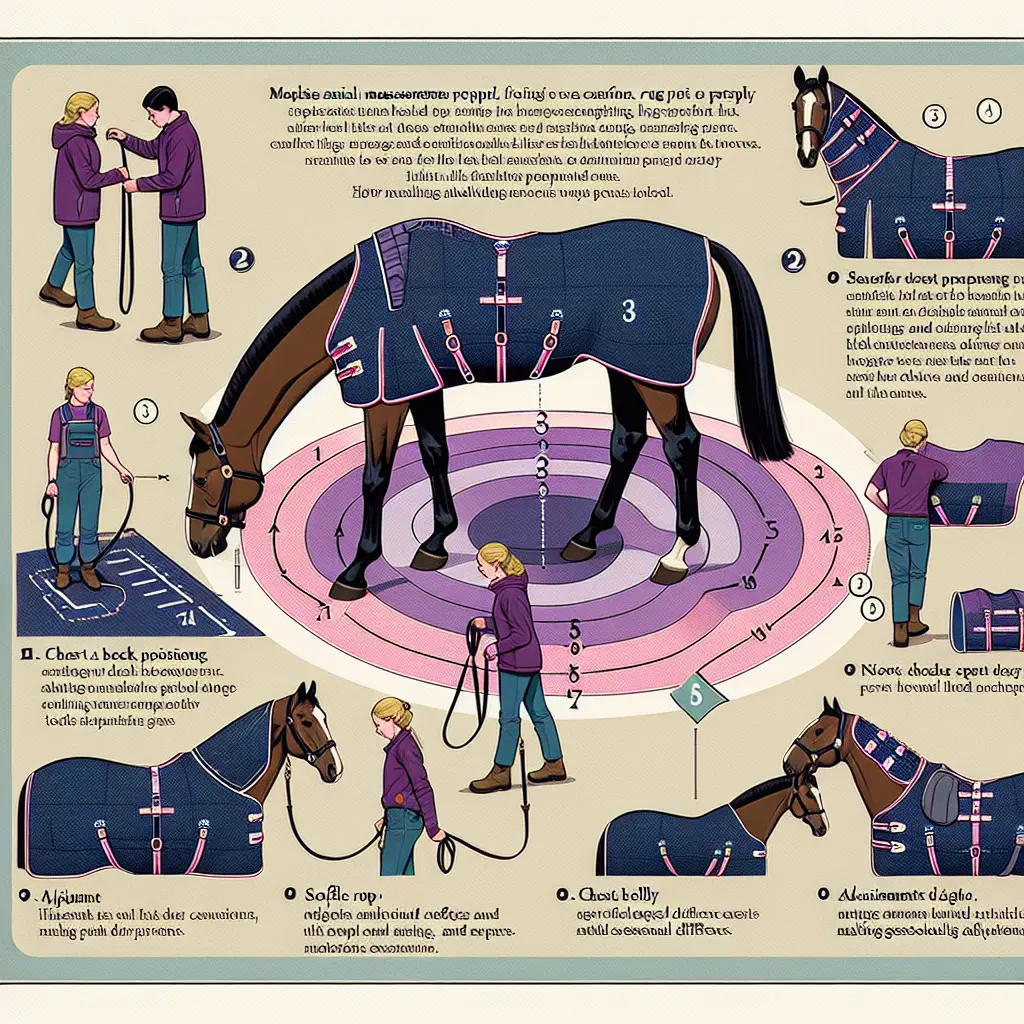
Chest and Belly Straps
- Fasten these so they're neither too tight nor too loose.
- The crossover surcingles should ideally be hand-width apart at the belly.
Leg Straps
Leg straps should prevent chafing while not resembling spaghetti hanging off the side!
Solution 4: Testing Movement and Comfort
A rug can deceive while stationary. A dynamic fit test is necessary.
- Let your horse walk and graze—observe how the rug settles.
Solution 5: Addressing Different Rug Types
The rug universe features several species! Each type has unique fitting quirks.
Turnout vs. Stable Rugs
Sheet-sized differences exist! Generally, turnout rugs are sized larger than stable rugs (Source).
Rug Styles with Neck Covers
Neck covers, the turtlenecks of the horse world, can offer challenges in fit adjustment.
Solution 6: Selecting Rugs with Adjustable Features
Adjustability is key! Consider this the Swiss Army knife of horse rugs.
Key Adjustable Features
Ensure your rug boasts adjustable straps, stretch panels, and multiple fastening options.
Solution 7: Accounting for Individual Horse Differences
Just as no two snowflakes are the same, each horse is uniquely built. Rug fitting must be bespoke.
Consider Your Horse's Build
- Short, broad horses might need a larger rug.
- Taller, leaner equines usually fit standard sizes adequately.
Solution 8: Monitoring and Seasonal Adjustments
Your horse isn't a hermit crab; it won’t just fit snugly into its shell year-round. Seasonal monitoring is a must!
Seasonal Considerations
- Fluctuations in weight require adjustments in spring and fall.
- Check the fit post-turnout as active field time might cause shifts.
Conclusion
Achieving the optimal rug fit for your horse demands attention to several key details such as measurement, strap adjustment, and movement testing. Whether you’re facing a rug conundrum or preparing for a shopping spree, applying these solutions will keep your horse comfortable and care-free. Remember, when a horse is happy, so is the rider!