

Should You Continue With a Challenging Horse Share or Move On for Greater Enjoyment?
The world of horse sharing is filled with passion and perseverance. Yet, at times, riders find themselves stuck in a challenging situation that affects both their enjoyment and their horse's well-being. With over 6.7 million horses in the U.S. supporting a $177 billion economic impact, making an informed decision about horse shares is not just an individual choice but part of a larger industry trend. This article delves into the intricate details of horse sharing to help you decide whether to stay or move on.
Understanding Horse Shares: A Popular but Challenging Option
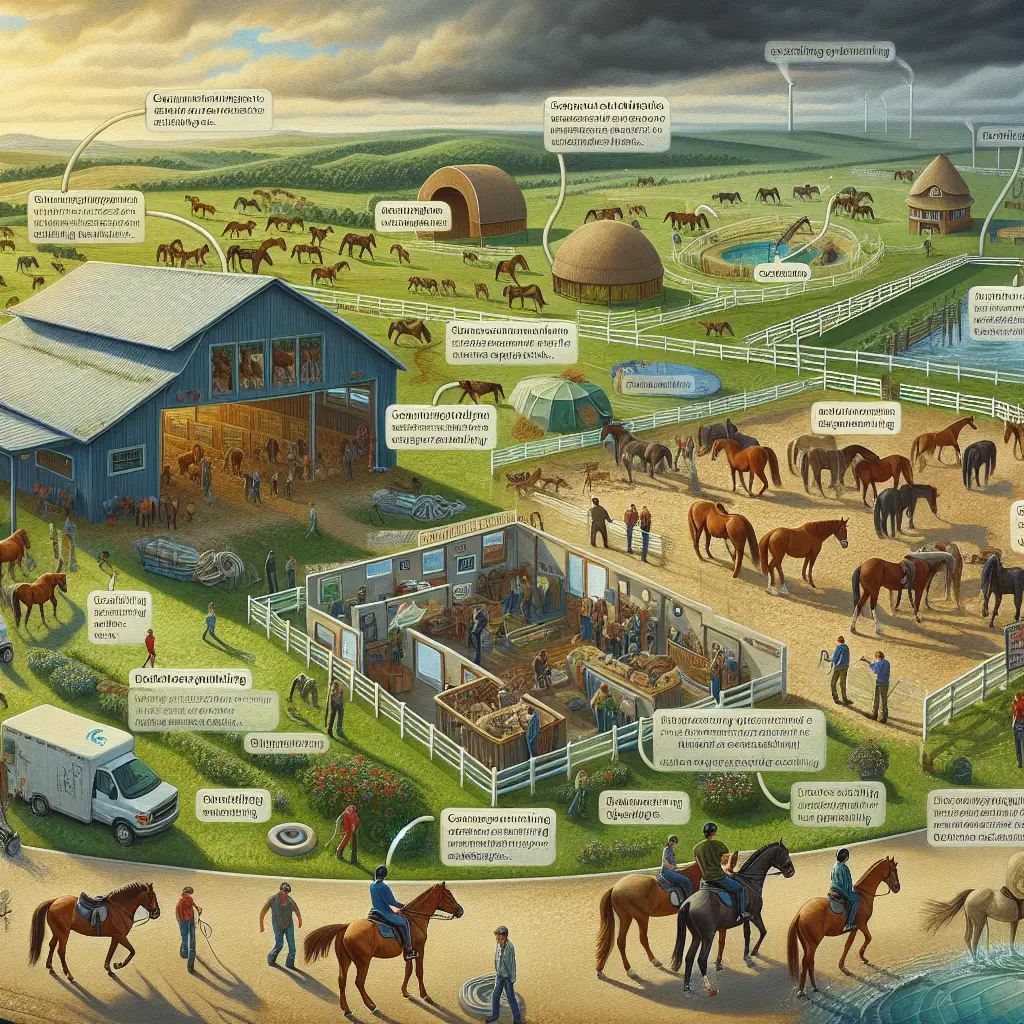 A horse share offers multiple individuals the opportunity to share both costs and riding time with a horse, making it more affordable. In a society where only 1.2% of households own a horse but 30.5% have enthusiasts, shares provide accessibility to equestrian activities. Despite its popularity, horse sharing is not without challenges, particularly in the realm of boarding, which is considered notoriously difficult to manage profitably.
Boarding Challenges
Boarding forms the backbone of most shares and is characterized by struggles in business management, long-term financial planning, and maintaining staff. Clients often face higher board costs without the assurance of quality management, which can lead to overworked staff and suboptimal horse care. Interestingly, customers don't mind premium prices if facilities are well-managed, with everyone feeling integral to the operation.
Signs Your Horse Share is Too Challenging
Recognizing when your horse share becomes unsustainable is crucial. It's not uncommon for riders to encounter challenging rides, but persistent issues can signal a deeper problem.
Physical and Mental Strain
If you and your horse leave the stable exhausted and tense, it might be a sign to reconsider your agreement. Welfare basics such as adequate turnout are often overlooked. Overcrowded pastures can damage both land and horse health, highlighting the importance of sustainable management practices.
Unsustainable Costs and Logistics
 Breaking even in boarding can be difficult, and rising operational costs only compound the issue. The threat of development makes horse farms scarcer, possibly leading to increased fees.
Lack of Progress or Enjoyment
A perceived lack of progress can lead to burnout for both riders and horses. An absence of teamwork or effective leadership can diminish the motivation necessary for a fulfilling horse-sharing experience.
Health Red Flags
Ignoring signs of lameness or stress in your horse is never recommended. Upcoming studies like the NAHMS Equine 2026 study continue to emphasize management's role in equine health, proving that monitoring current health trends can be beneficial.
Pros and Cons: Stay or Go?
Weighing your options is essential. Here's a look at the pros and cons based on industry data.
| Aspect | Staying in a Challenging Share | Moving to a New Share |
|---|---|---|
| Financial | Locks in shared costs but risky long-term due to unsustainable practices. | Higher initial cost but may offer better financial security over time. |
| Enjoyment | Potential skill-building opportunity but may hinder overall enjoyment. | A fresh start often leads to renewed enthusiasm. |
| Horse Welfare | Risk of deteriorating conditions unless managed carefully. | Opportunities for improved welfare with well-designed facilities. |
| Industry Reality | Attempt to address leadership and management issues. | Align with new industry trends and better resource utilization. |
Steps to Decide: A Practical Roadmap
Deciding whether to stay or go can feel overwhelming, but breaking it down into practical steps can make the process more manageable.
Audit Your Current Share
Begin by tracking costs, ride logs, and horse health for 1-3 months. Compare these to established benchmarks such as well-managed barns focusing on sustainable practices.
Communicate
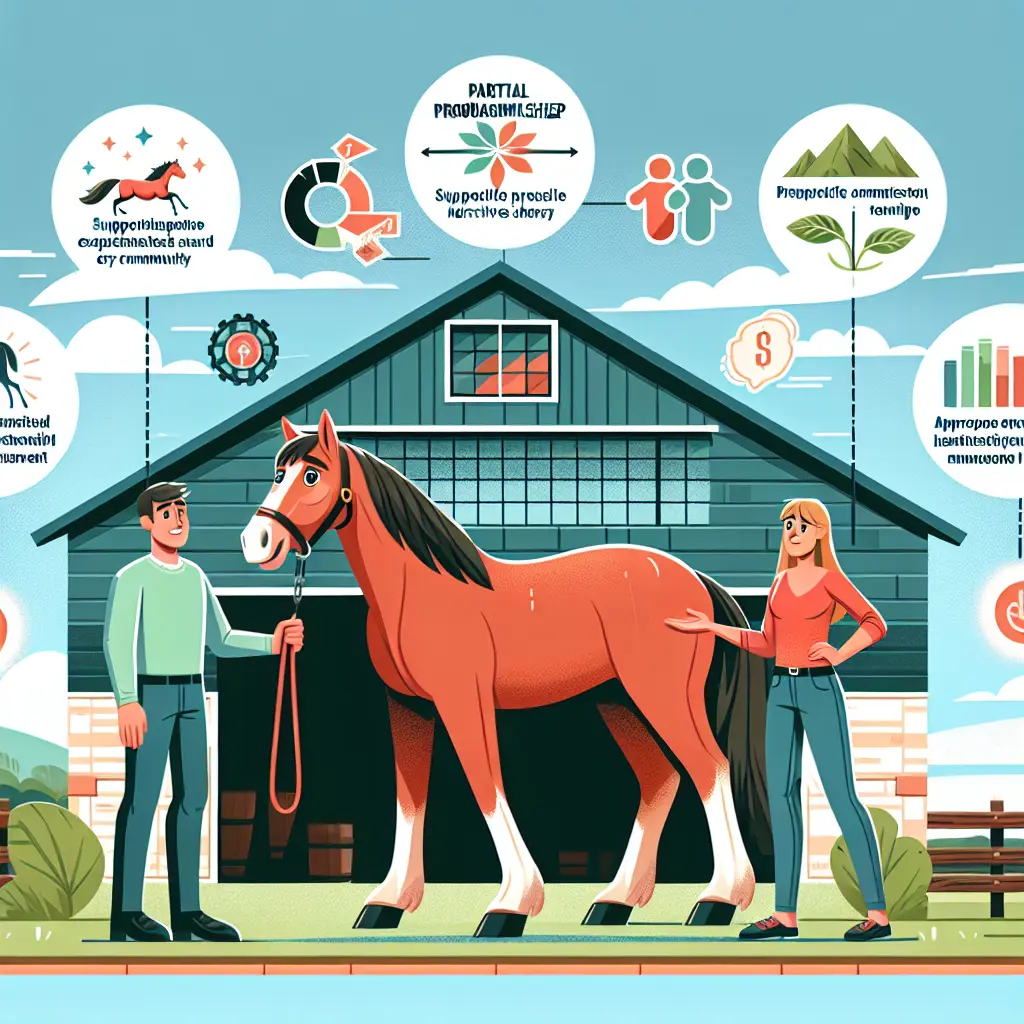 Discuss concerns and expectations with co-owners, trainers, and other stakeholders. Strong leadership and teamwork are essential for a successful share.
Test Alternatives
Consider trying a 3-month trial of a new share or riding lessons from a different setup to obtain experience in varied horse management environments.
Prioritize Sustainability
Search for shares that emphasize sustainability practices—effective land use often correlates with healthier horses and lower costs in the long run. Rotational grazing and soil enrichment are invaluable components.
Health Checks
Keep abreast of industry standards and studies like the NAHMS Equine 2026 study to ensure proper equine health management.
Measure Your Enjoyment
Rate each ride and interaction with your horse share. If satisfaction falls below 50%, it may be time for a change. Remember, your time and enjoyment are valuable parts of an industry employing 2.2 million people.
When Moving On Leads to Greater Enjoyment
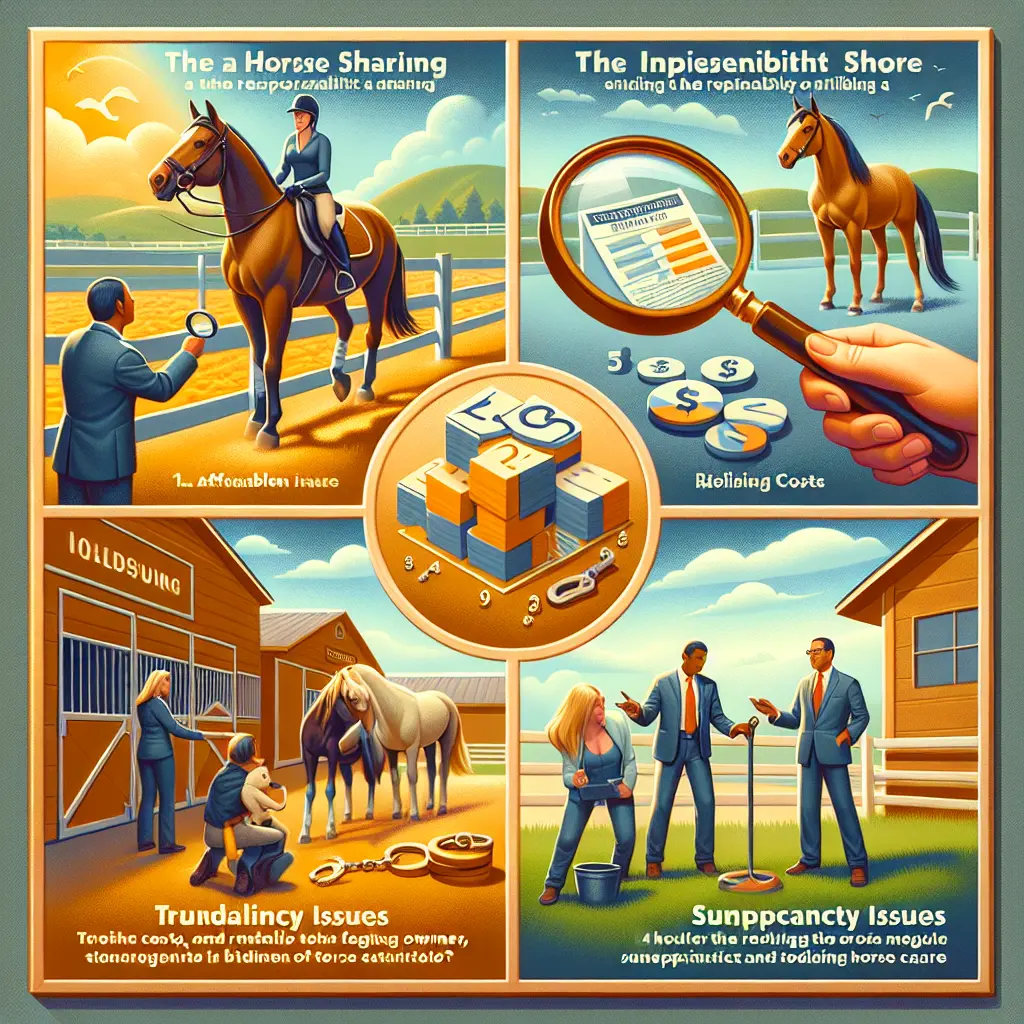 Switching your horse share often renews joy and may lead to more positive experiences. Creative approaches such as co-ops flourish in areas where traditional boarding falls short. As expectations evolve, new models may arise that improve both accessibility and enjoyment.
Ultimately, balancing perseverance with wellness is key. Opt for the path that maximizes both your enjoyment and the horse's well-being. Regardless if you decide to stay or explore new horizons, be sure to properly equip yourself with quality riding gear, from Jodhpurs to Riding Boots, and make sure the journey benefits not only your development as a rider but also the cherished steed you share your road with.