

The Ultimate Guide to Affordable Equestrian Grooming: Using Dog Clippers
In the world of equestrian grooming, finding the right tools without breaking the bank is a primary concern for many horse owners and groomers. A common query that arises is whether dog clippers can be effectively used on horses and what alternatives one can explore. Let's navigate through these affordable trimmer options to ensure your horse looks its best without an extravagant grooming bill.
Understanding the Difference Between Dog and Horse Clippers
The debate between dog and horse clippers largely boils down to power, blade design, and suitability.
Power Disparity
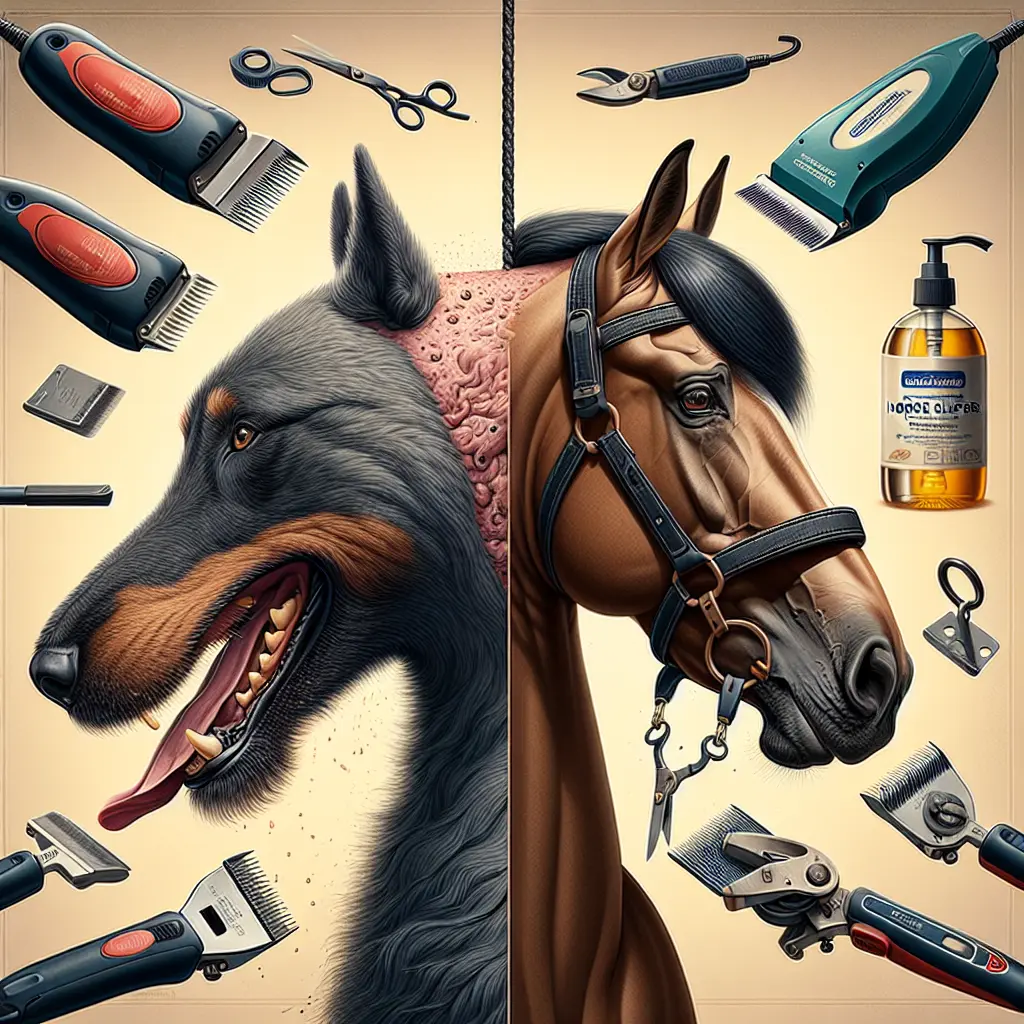
Most dog clippers are designed for animals with lighter coats. In fact, dog clippers generally have significantly less motor power — sometimes only about a tenth of horse clipper power[5]. This means they might struggle to cut through a horse's thick, coarse hair efficiently.
Blade Design and Usability
While dog clipper blades are tailored for fur, equine clipper blades are made to handle the density and size of horse coats. This means using dog clippers for extensive horse grooming tasks can be a challenge.
When Can Dog Clippers Be Appropriate?
Despite the limitations, there are circumstances where dog clippers can be employed for horse grooming.
For Lighter Tasks
On horses with thinner coats or for specific trimming areas, such as around the face, ears, or smaller patches, high-quality dog trimmers can serve well. Some super-duty dog clippers designed for large breeds might manage these lighter duties efficiently.
Modern Alternatives
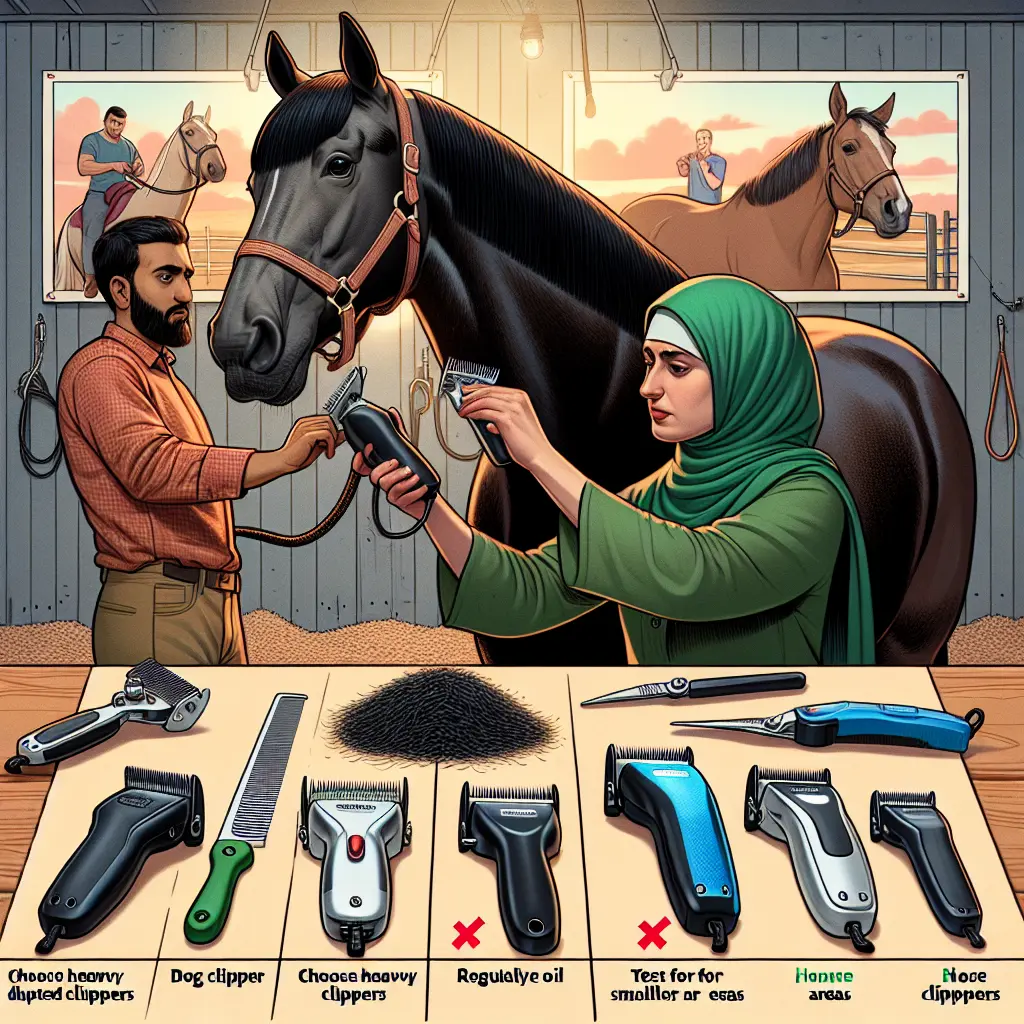
Advanced, cordless dog clippers like the Heiniger Saphir or Heiniger Xplorer Pro are rated for full body clipping on horses, thanks to their powerful motors and brushless rotational technology[4]. They stand as a budget-friendly option for horse owners.
Tips for Safely Using Dog Clippers on Horses
For those willing to experiment with using dog clippers, here are some valuable tips:
- Opt for heavy-duty professional-grade clippers, ensuring they have powerful motors compatible with thick coat conditions[3][4].
- Maintain your blades by keeping them well-oiled and sharp to prevent overheating[1][5].
- Test on a small area first to check for overheating or discomfort. Stay away from sensitive areas if unsure.
- Use trimmers for precision work around sensitive parts like the face, ears, and legs[2].
- Take breaks to keep clippers cool and minimize noise stress for the horse[2].
- Be aware of horse sensitivity as some might react negatively to the clipper's noise and vibration[2].
Exploring Equestrian Clipper Options
Equine Clippers as an Investment
Purchasing a dedicated equine clipper may initially be an expense, but models like the Heiniger Xplorer Pro offer improved efficiency and reliability. They're built to provide a higher operational time and less heat, making them a sound investment for regular clippers.
Having a Plan B
For seasonal grooming needs, consider renting or borrowing professional-grade horse clippers. This ensures that the horse remains comfortable and the grooming process is efficient and stress-free.
Weighing the Pros and Cons
Choosing Between Short-term Savings and Long-term Gain
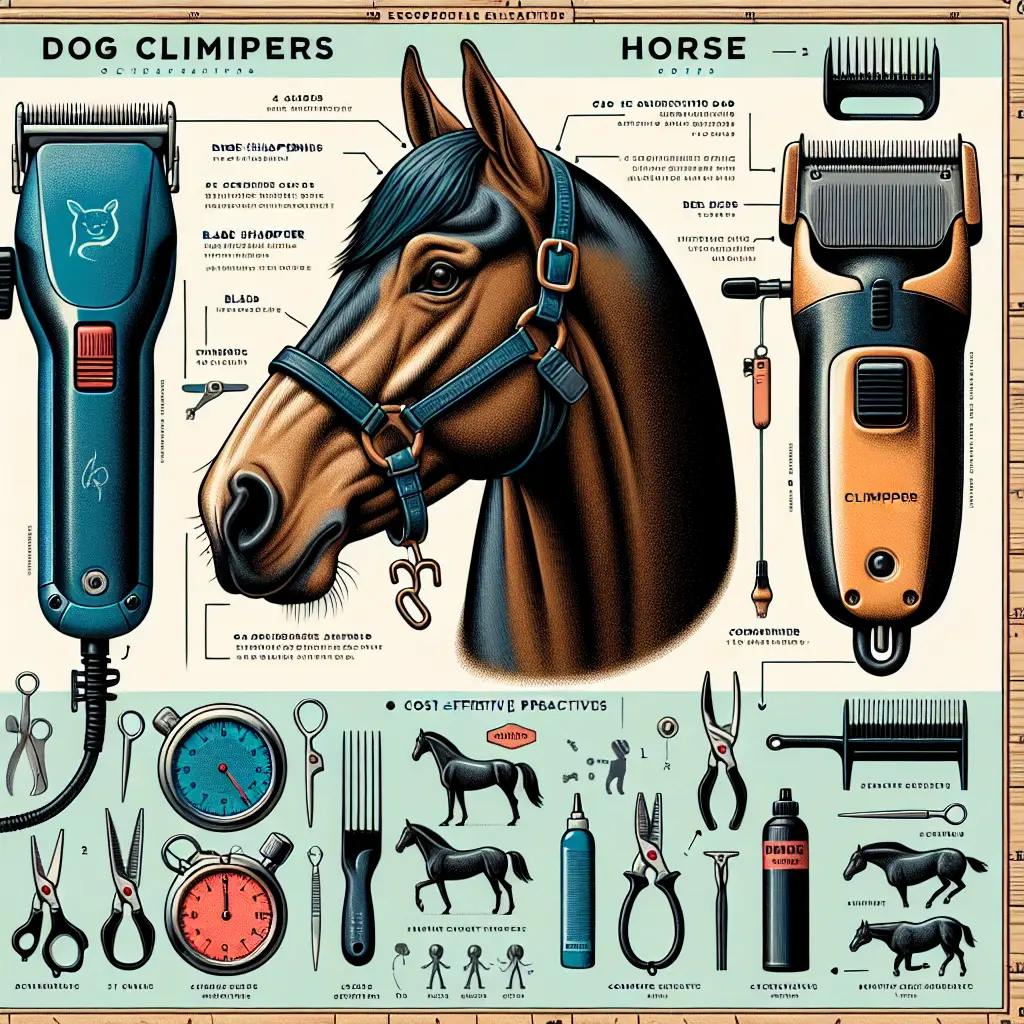
While using dog clippers offers immediate savings, it's essential to evaluate the risks of potential overheating, skin damage, and inefficient grooming. These factors can outweigh initial cost advantages.
Finding Quality in Specialized Equipment
For those serious about maintaining their horse's coat, investing in super-duty dog clippers or entry-level horse clippers designed with advanced brushless motors might offer better value and outcomes.
Conclusion: Prioritize Quality and Safety
In conclusion, while dog clippers can serve in limited scenarios, choosing the right equipment for your horse's grooming needs ensures not only efficient grooming but also the wellbeing of your equine companion. Whether opting for professional horse clippers or high-grade dog clippers, prioritize quality, safety, and longevity.