

What Precautions Should Horse Owners Take When Dealing with a Strangles Outbreak?
Strangles is a highly contagious bacterial infection in horses caused by Streptococcus equi subspecies equi. This infection predominantly affects the respiratory tract and lymph nodes, causing symptoms such as fever, nasal discharge, and swollen lymph nodes. Because it can infect nearly 100% of horses on an affected premise, preventing and controlling outbreaks requires meticulous care and attention.
Immediate Isolation and Quarantine
First and foremost, isolation is critical. Any horse displaying symptoms should be immediately moved to a dedicated stall or barn set apart from healthy horses. A minimum distance of 15-20 feet is recommended to ensure the infection doesn't spread through direct contact.
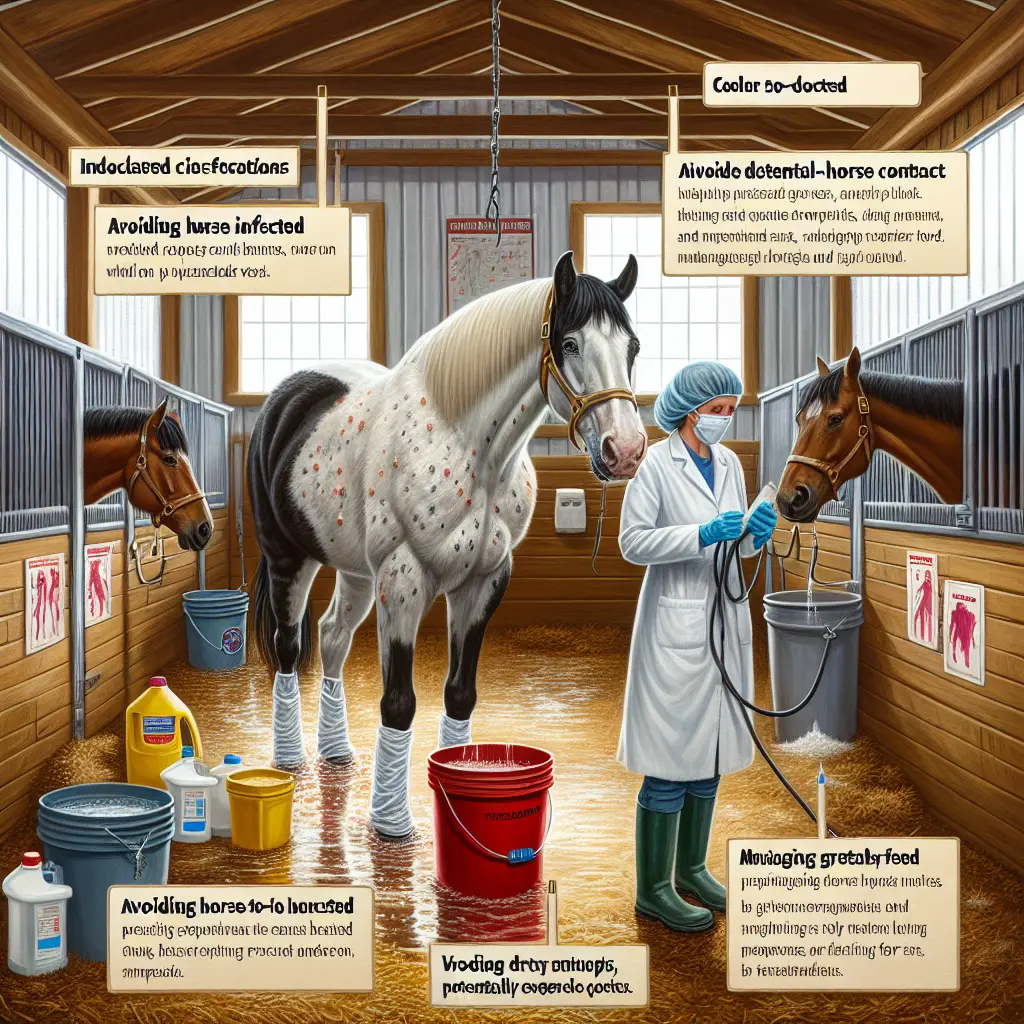
New arrivals should undergo a quarantine period of at least 2-3 weeks, with daily health monitoring. Testing for S. equi shedding can identify carriers before they join the general population (source).
Practice Rigorous Biosecurity
Implement strict biosecurity measures, including using protective clothing when handling infected horses. This involves wearing disposable gloves, gowns, coveralls, and boots. Hand hygiene is paramount, so wash hands thoroughly between handling horses.
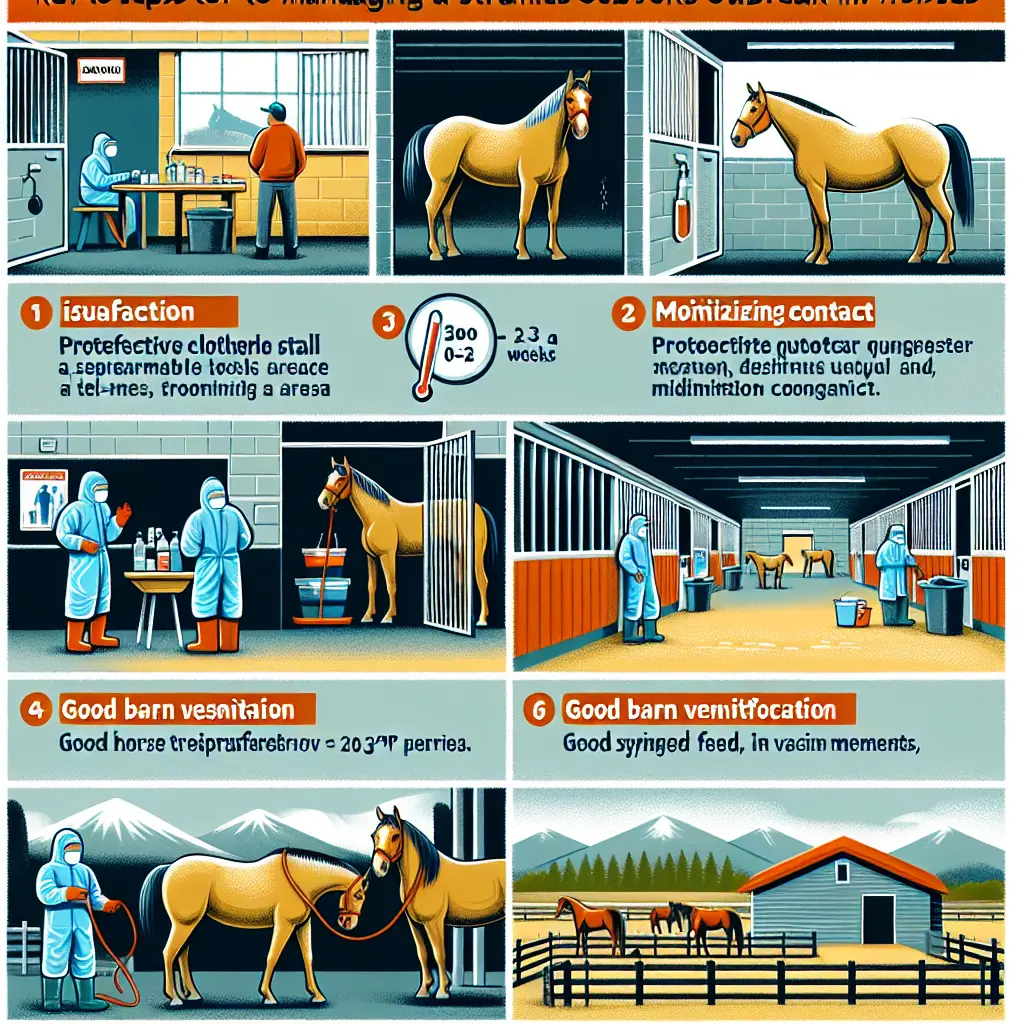
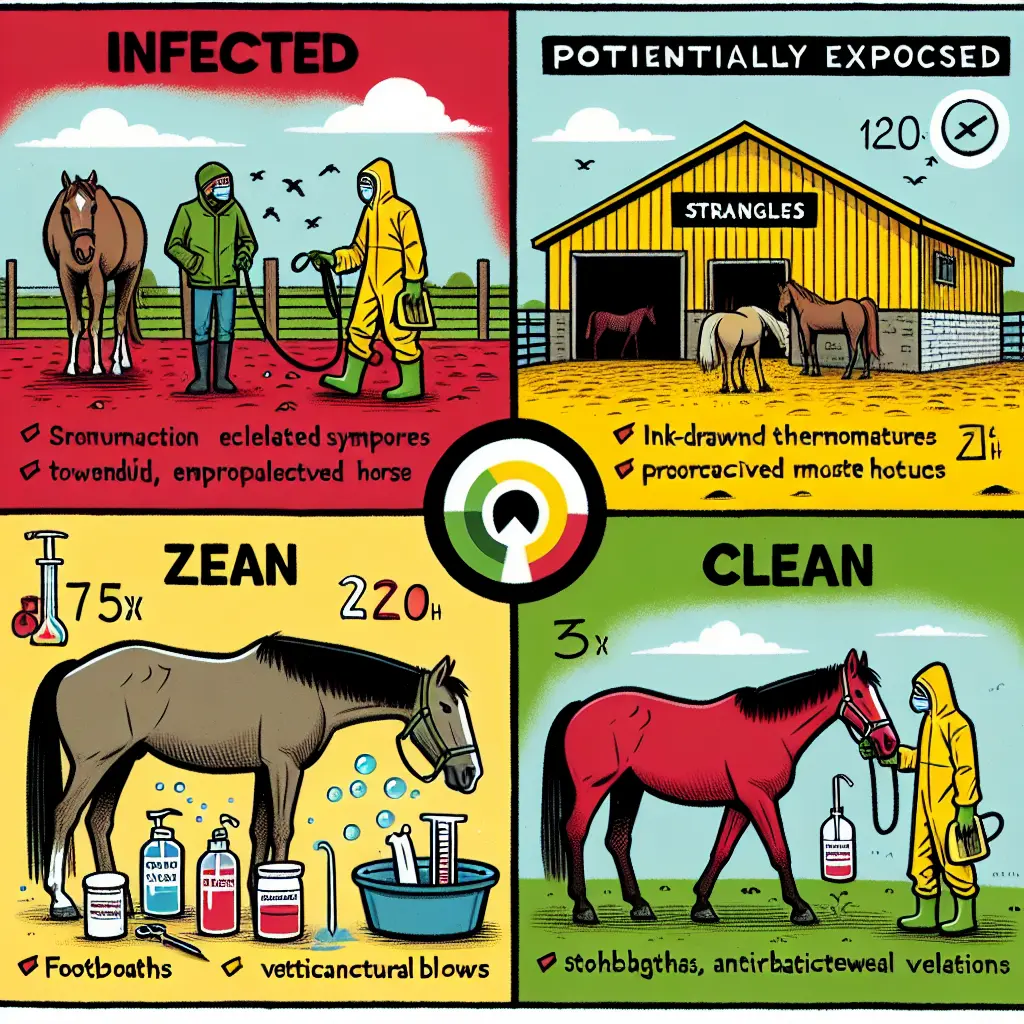
Use protective clothing to lower the risk of spreading the bacteria. Create "red" (infected), "yellow" (potentially exposed), and "green" (clean) zones to minimize cross-contamination. Ensuring that equipment and personnel move in a single-direction from clean to contaminated zones can help control the spread.
Disinfection Protocols
Regular disinfection of equipment and surfaces is crucial. Clean stalls, grooming tools, and common areas with antibacterial soap followed by a strong disinfectant like bleach. Given that the bacteria can persist in the environment for weeks, repeated disinfection is necessary (source).
Minimize Horse-to-Horse Contact
Avoid any direct nose-to-nose contact between horses. Sharing of feed and water containers should also be avoided unless they have been properly disinfected (source).
Monitoring and Early Detection
Regular temperature checks are essential during an outbreak. Horses should have their rectal temperatures taken at least once or twice daily. If any horse has a temperature over 100.4°F, they should be isolated immediately. Early detection of symptoms like high fever and nasal discharge can significantly aid in controlling the spread of the disease.
Treatment Considerations and Vaccination
Upon suspicion of strangles, seek immediate veterinary consultation. A vet may recommend culture or PCR testing to confirm the infection. The use of antibiotics might be controversial as many horses recover naturally, developing immunity that can last up to five years (source).
Vaccination, although helpful in reducing illness severity, should be approached with caution during outbreaks. Administer vaccines proactively to naïve horses before exposure, as vaccinating during an outbreak can pose risks of adverse immune reactions.
Environmental Management
Ensure proper ventilation in barns and stables to reduce airborne pathogens and promote better respiratory health. Moisten feed for horses suffering from swollen lymph nodes to make it easier for them to chew and swallow.
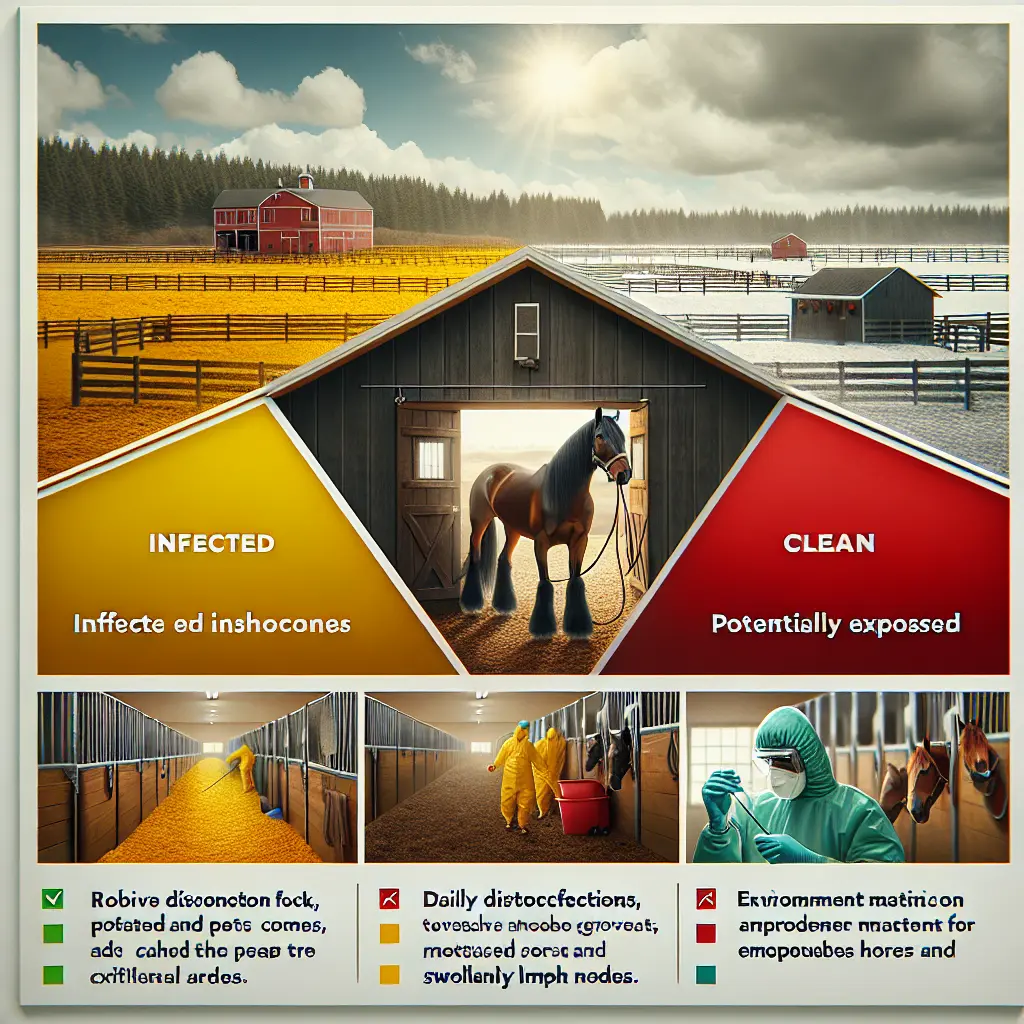
Also, retrace movements of infected horses to identify potential sources and inform other horse owners who might be at risk.
Summary of Practical Steps for Horse Owners
| Precaution | Details |
|---|---|
| Isolation | Separate sick horses; no contact with healthy ones |
| Quarantine | New arrivals isolated for 2–3 weeks |
| Biosecurity | PPE usage, disinfection of hands, equipment |
| Zoning | Create infection zones and change clothing between zones |
| Equipment | Separate tools per horse; disinfect regularly |
| Monitoring | Twice daily temperature checks and symptom observation |
| Vet Consultation | Early testing and advice |
| Vaccination | Use proactively for naïve horses; caution during outbreaks |
| Environmental Controls | Ventilate well; disinfect surfaces; moisten feed |
Implement these measures diligently to drastically reduce the spread of strangles and safeguard your horses' health. For more approaches to equine health, check out the Everyday Horse Vitamins & Supplements from Just Horse Riders. Monitoring such infections not only requires diligence in observation and care of the horse but also in ensuring consistent monitoring of symptoms.
In case of a strangles outbreak, it's essential that horse owners act swiftly and effectively. By employing stringent isolation, quarantine practices, and robust biosecurity measures alongside professional veterinary input, the risks can indeed be minimized. For more resources and equestrian needs, consider exploring Just Horse Riders' collection of stable rugs which can aid your management of sick horses by providing comfortable and germ-resistant environments.