

Best Practices for Raising and Training Young Horses: Insights from Experienced Owners
Raising and training young horses successfully is both a science and an art. It's about understanding the needs of the horse and applying proven techniques to encourage both physical and mental growth. Let's dive into the best practices shared by experienced horse owners and professionals.
Prioritize Forward Movement
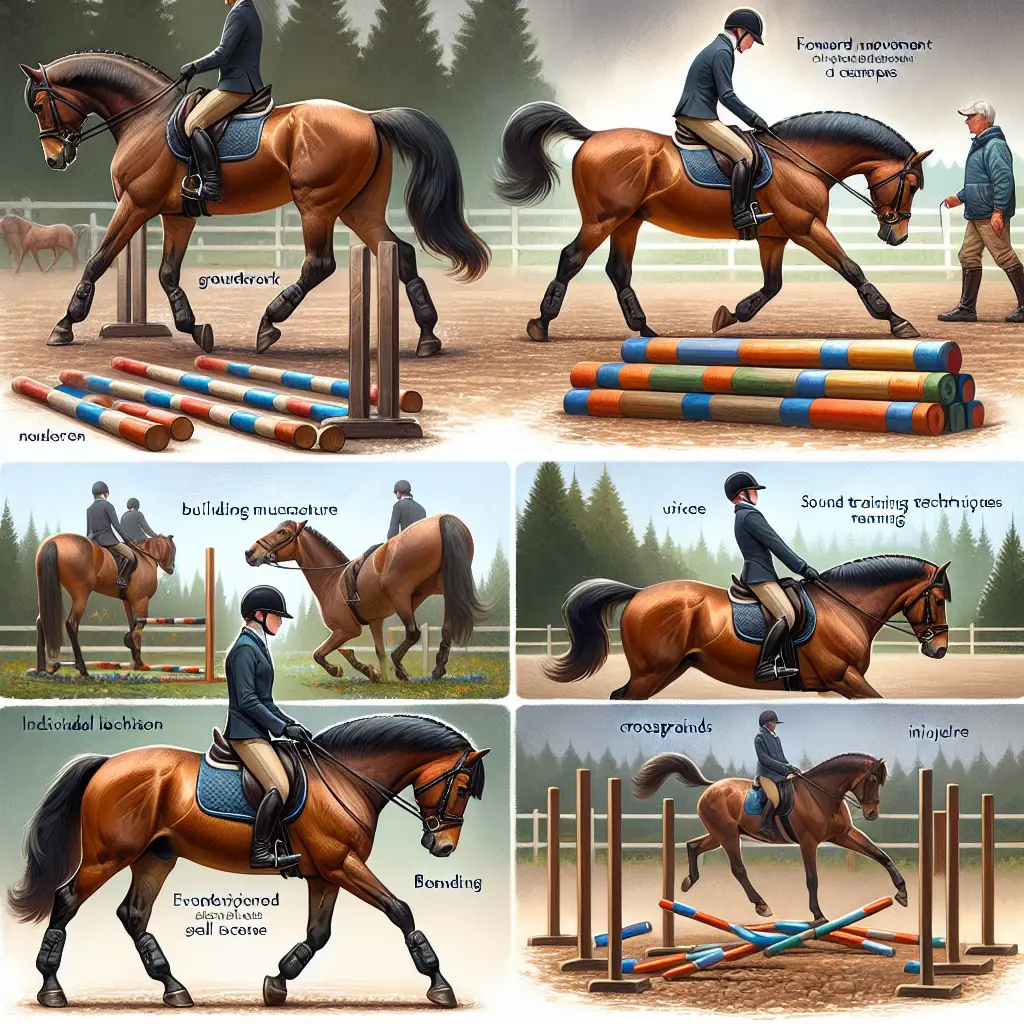
The cornerstone of training young horses is teaching them to move forward. Encouraging a horse to build impulsion helps create a balanced and responsive animal. According to Megan Weiss Training Blog, forward movement from the hindquarters should not be confused with simply increasing speed. This approach enhances muscle development and ensures a stable gait.
Introduce Bending and Flexibility Gradually
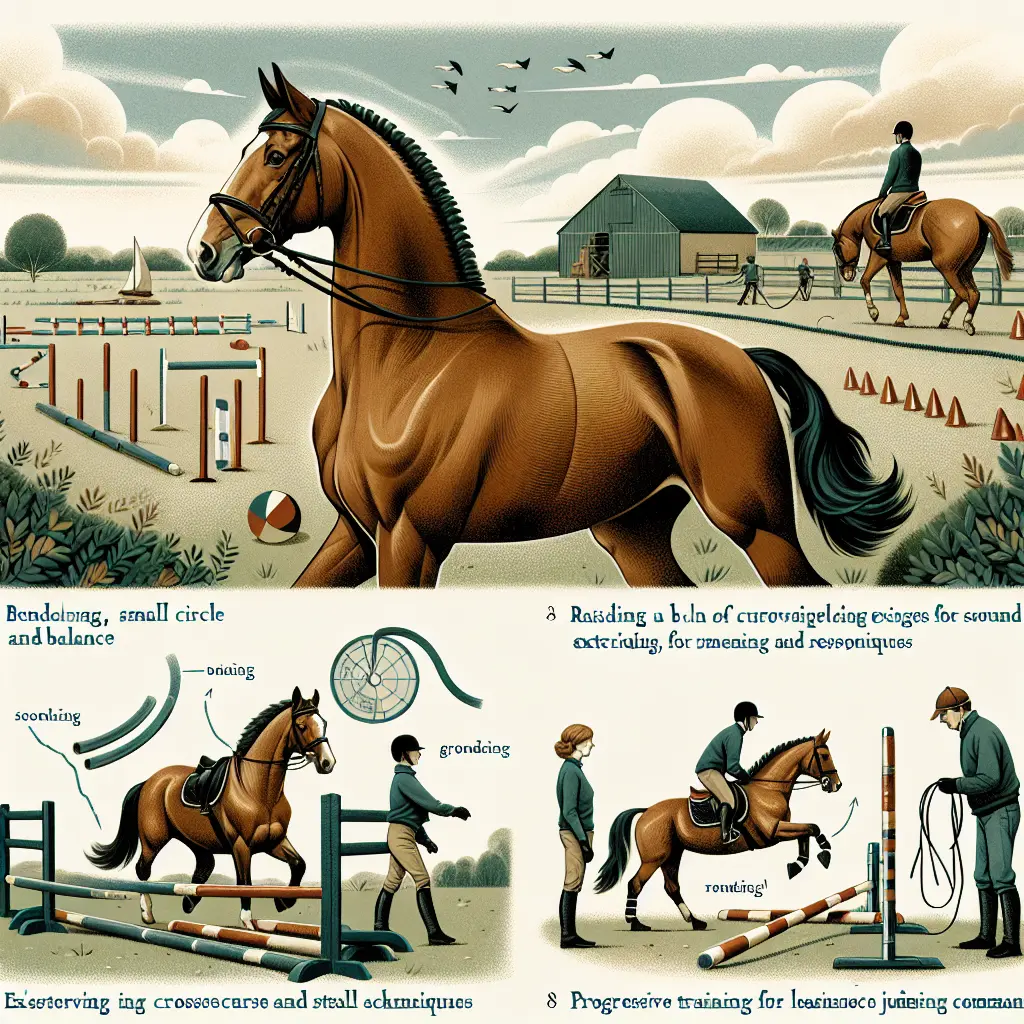
With forward movement established, it's time to focus on bending and flexibility. By practicing small circles and encouraging lateral flexion, riders can help young horses develop softness and responsiveness. This step prepares them for more complex maneuvers as they progress.
Be Attuned to the Individual Horse’s Needs and Pace
Every horse is unique, and therefore, training should occur at the horse's own pace. Rushing can lead to setbacks. It's vital to assess each horse individually and adjust the training routine to cater to their specific development stage. Practical Horseman emphasizes patience as the key to building a trustworthy and successful training relationship.
Establish a Strong Foundation with Groundwork and Early Handling
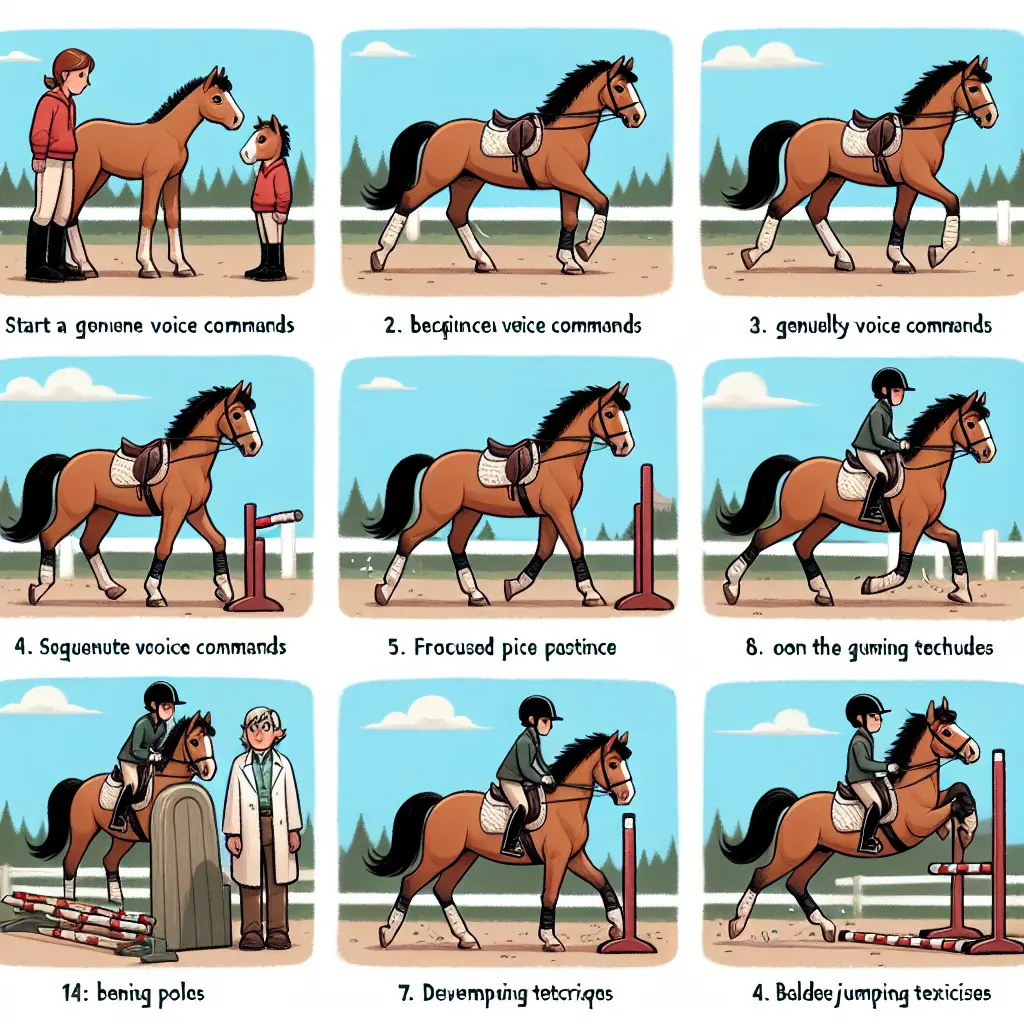
Before transitioning to riding, a solid groundwork routine can foster excellent early development. This includes responding to basic commands and learning simple exercises that build strength and coordination. Incorporating varied activities keeps training interesting and effective.
Optimize Physical Development to Prevent Injuries
Structured physical exercise is crucial for young horses. Engaging them in moderate high-impact training sessions strengthens their musculoskeletal system and prevents future injuries. Recent findings suggest that early training enhances joint and ligament resilience. Always consult with veterinary professionals to tailor exercise routines as recommended by Mississippi State University Extension.
Use Progressive Training Methods for Skills Acquisition
When introducing skills such as jumping, start with ground poles before moving to low jumps. Incremental progress helps build confidence and reduces the likelihood of overwhelming the horse. Reinforcing learning through manageable steps ensures successful skill acquisition.

Explore Our Collections
Equip your young horse for success with our carefully curated collections:
- Jodhpur Collection
- Horse Riding Boot Collection
- Horse Riding Gloves Collection
- Horse Riding Socks Collection
- Horse Treats And Gifts
- Everyday Horse Vitamins & Supplements
Authoritative Resources to Support Your Journey
To deepen your understanding, explore these resources:
- Megan Weiss Training Blog
- Dressage Today’s Six Strategies for Training Young Horses
- Practical Horseman
- Horses Inside Out
- Mississippi State University Extension
In Conclusion
Building a successful training journey with your young horse requires attention to forward movement, patience, and preventing injuries. Establish a routine that suits their individual pace and celebrate small victories to foster confidence. Equip them with essential products from Just Horse Riders and set them on the path to a robust and fulfilling equestrian pursuit.