

What Everyone Needs to Know About the Costs and Challenges of Rig Surgery for Horses
Many horse owners face the decision of opting for rig surgery when dealing with a problematic "rig" horse. This blog will unpack the intricacies of rig surgery, cost considerations, challenges, and practical advice for horse owners.
Understanding Rig Surgery and Its Purpose
A "rig" horse is a stallion with one or both testicles not properly descended. This condition can lead to behavioral issues, fertility problems, and potential health risks. Rig surgery, which is more complex than routine gelding, is necessary to remove the retained testicle(s) using specialized surgical techniques.
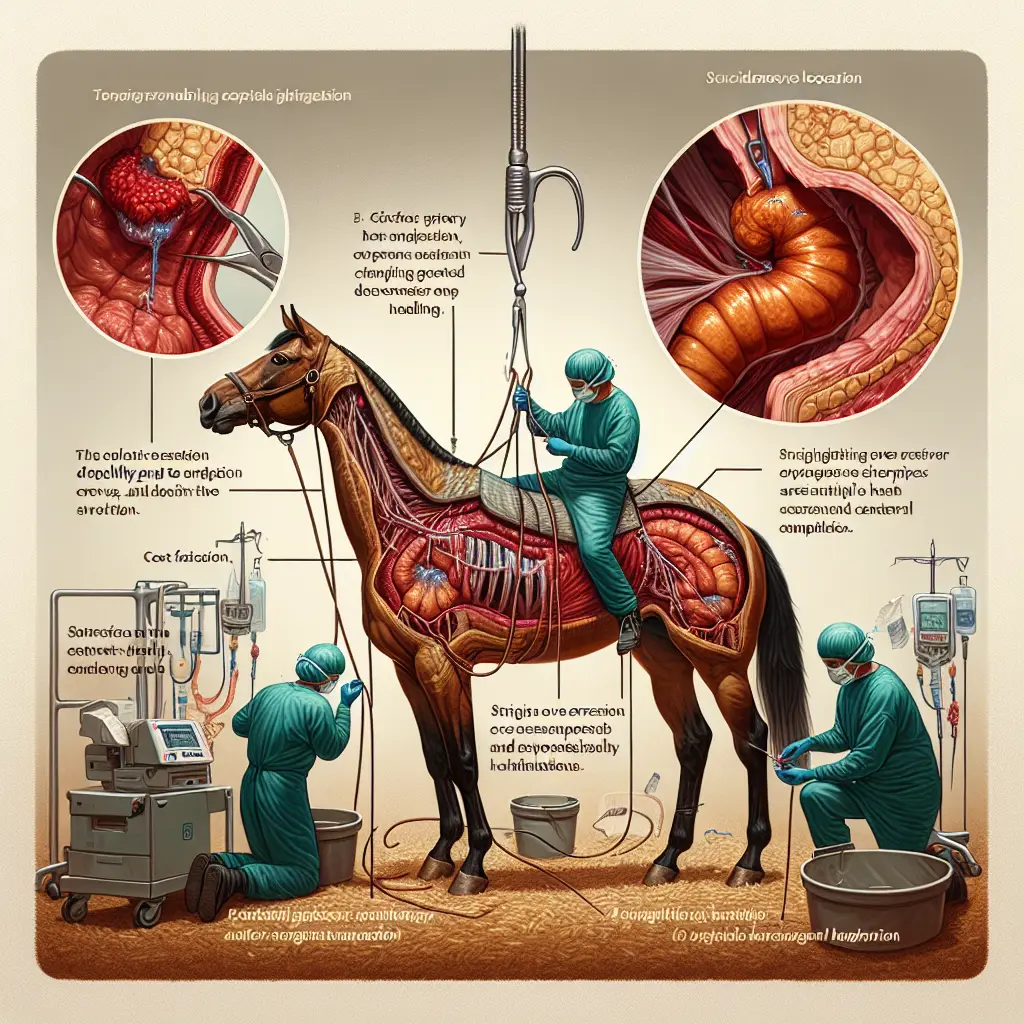
Costs Associated with Rig Surgery
According to the American Association of Equine Practitioners, routine castration usually costs between $150 to $600. In contrast, rig surgery is more expensive, typically ranging from $1,300 to $3,400 or higher. This increase is due to the invasive nature of the operation requiring general anesthesia and potential complications.
Additional Costs: Diagnostic Work and Aftercare
Extra expenses like ultrasounds, pre-surgical blood work, and hospitalization fees also add to the overall cost. Unlike routine gelding, rig surgery may involve a more comprehensive aftercare regime, elevating the financial burden.
Challenges and Risks of Rig Surgery
One of the primary challenges of rig surgery is managing the recovery period, which involves strict monitoring and controlled exercise regimes to promote healing.

Postoperative Challenges
The healing period can be intense, involving hand-walking horses several times daily. This exercise regime reduces potential swelling and speeds up recovery.
Complication Rates
Cryptorchid surgeries tend to have higher complication rates compared to routine castrations. Potential complications include infection, hemorrhage, and swelling. Studies report complication rates up to 22%, including scrotal infection and hind limb lameness.
Why Consider Rig Surgery?
Despite the costs and risks, rig surgery is recommended to prevent unwanted breeding, manage behavior issues related to retained testicles, and avoid long-term health risks like testicular cancer or torsion.

Benefits of Surgery
Once the surgery is successfully completed, horse owners can expect improvements in behavior and potentially enhanced performance and manageability, making the initial investment worthwhile.
Practical Considerations for Horse Owners
Before proceeding with rig surgery, it’s crucial to consult an equine veterinarian experienced in cryptorchid surgery. Understanding the full financial commitment is essential for planning.
Detailed Cost Estimation
Discuss with your vet the estimated full costs, including pre-op, surgery, hospitalization, and post-op care. This prevents unexpected expenses from arising during the process.

Insurance Coverage
Insurance often varies, with some policies not covering pre-existing conditions or elective procedures. Verify insurance terms to avoid unwelcome surprises.
Exploring Equine Products for Aftercare
Ensuring the comfort and well-being of your horse post-surgery can be supported with the right products. Consider exploring Jodhpur Collection, Horse Riding Boot Collection, and Horse Riding Gloves Collection for essential gear.
Post-Surgery Comfort
For enhanced comfort during recovery, check out our Stable Rugs and Turnout Rugs. Also, remain vigilant against flies with adequate Horse Fly Protection.
Nutrition and Supplements
After such invasive surgeries, ensuring your horse’s nutrition is crucial. Consider supplements from Everyday Horse Vitamins & Supplements to support their recovery journey.
Conclusion
Rig surgery, while complex and costly, can offer substantial benefits for problematic stallions. Awareness of the financial and recovery challenges, coupled with informed veterinary consultations, can lead to successful outcomes. Horse owners should prioritize their equine's health while managing expectations about costs and recovery. Explore our range of equestrian gear and supplements at Just Horse Riders' Gift Collection to support your horse's ongoing health and happiness.