

Managing Coughing in Horses After Tie-Back Surgery: An Equine Guide
The challenges faced by horses recovering from tie-back surgery, also known as prosthetic laryngoplasty, revolve around persistent coughing that often concerns both horse owners and veterinarians. This article delves into these challenges and explores promising advancements and strategies for improving the respiratory well-being of equine companions.
Understanding Tie-Back Surgery: Purpose and Procedure
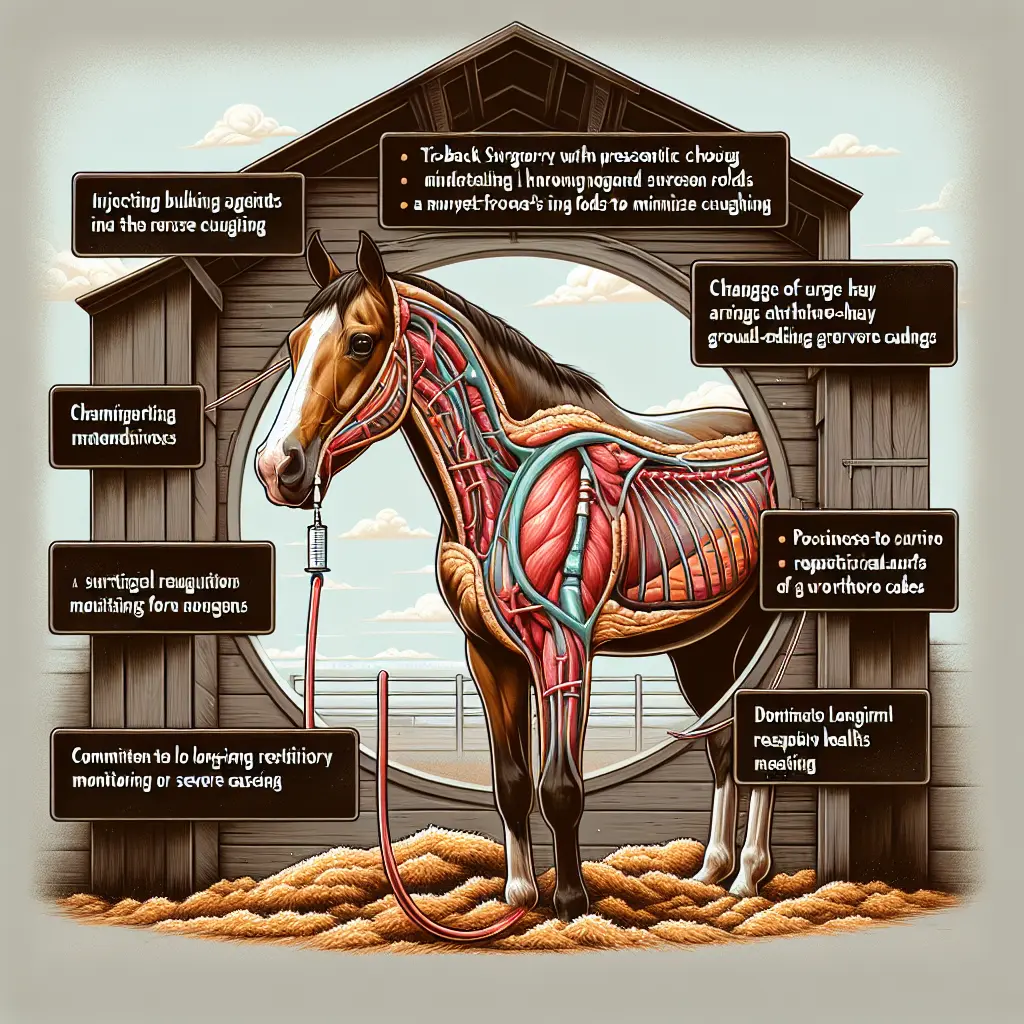
Tie-back surgery primarily addresses recurrent laryngeal neuropathy (RLN), commonly termed as "roaring." This condition leads to paralysis of larynx-opening muscles, causing restricted airflow and compromised performance in horses. The surgical procedure involves lateralizing one of the arytenoid cartilages permanently to enhance oxygen flow, ultimately restoring the horse’s capability to perform. [5]
Why Coughing Occurs Post-Surgery
Post-surgical coughing occurs in 5 to 10% of cases, often resulting from aspiration. The surgery alters the protective mechanisms of the larynx, leading to instances where food, water, or saliva inadvertently enters the airway. This issue causes inflammation, chronic coughing, and the risk of lower airway diseases, significantly affecting the horse's quality of life. [1]
Emerging Treatments for Persistent Coughing
Injection of Bulking Agents
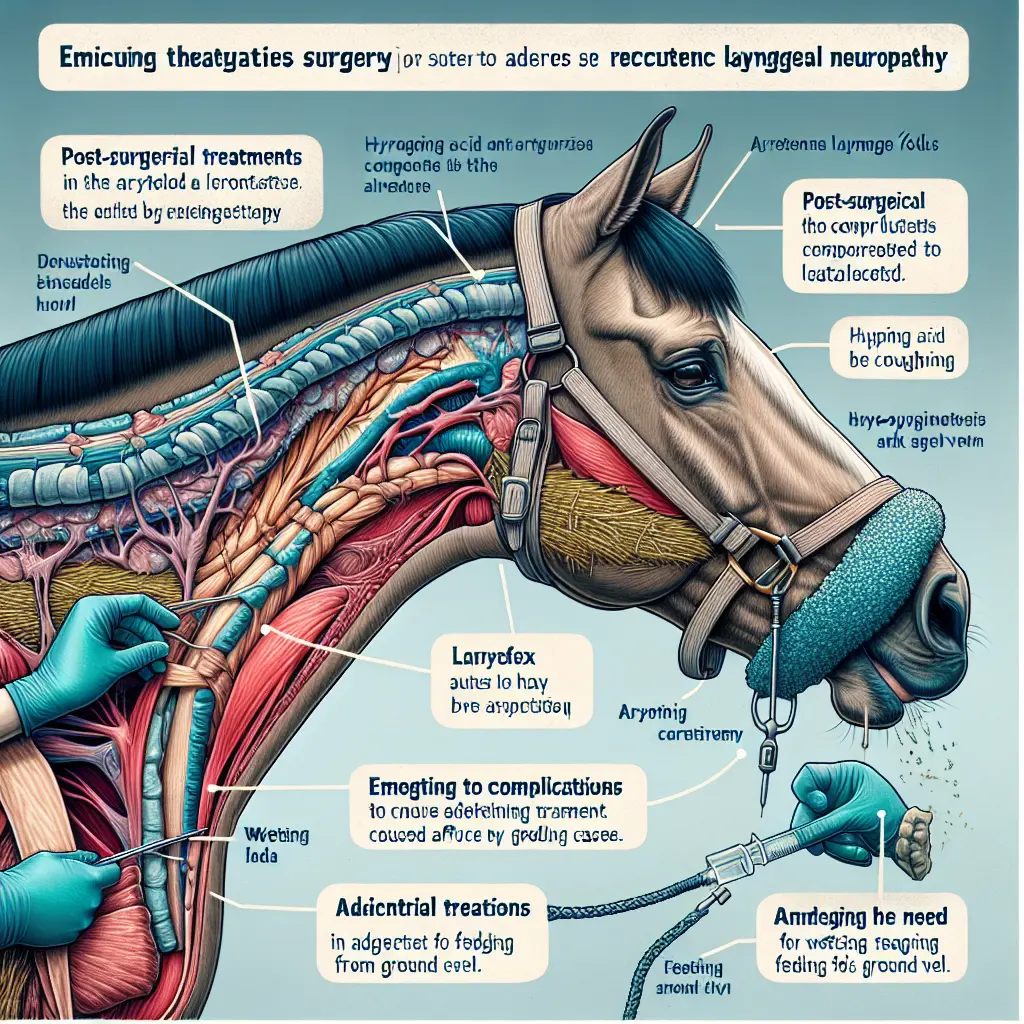
By injecting bulking materials such as hyaluronic acid directly into the aryepiglottic folds, researchers aim to thicken these tissues. This method effectively reduces misdirected food and water entering the airway, thus minimizing coughing. Despite its promise, this treatment option requires careful selection of candidate horses and periodic follow-up injections. [2]
Adjusting Feeding and Management
A more straightforward and effective strategy involves modifying feeding practices. This includes wetting hay and feeding from the ground to help with easier swallowing and prevent coughing spells triggered by aspiration. This method forms an essential part of any long-term management plan. [1]
Surgical Revisions
In scenarios where coughing persists severely even after initial interventions, surgical revisions may become necessary. Revision options include removing tie-back sutures or conducting an arytenoidectomy, though these interventions come with significant risks and should be considered as a last resort. [3]
Balancing Athletic Performance with Health
While many horses resume their athletic careers without post-operative complications, vigilance is vital. Monitoring respiratory symptoms such as coughing and addressing them promptly can prevent potential health risks, ensuring better outcomes for horses and peace of mind for their owners.
Guidance for Horse Owners and Caregivers
Recognizing Symptoms
Understanding the nature of coughing post-surgery is crucial. Persistent coughing primarily stems from aspiration issues due to changes in airway protection. Being alert to these symptoms allows for timely management and interventions.
Exploring Innovative Treatments
Recent treatments, like the augmentation of laryngeal tissues, offer hope. However, it's essential to select the right candidates for these procedures, relying on veterinary specialists to guide the decision-making process.
Importance of Dietary Adjustments
Changes in diet, particularly wetting hay and feeding at ground level, can significantly impact a horse's ability to swallow safely. These simple changes can play a substantial role in reducing coughing episodes over time.

Consult with Veterinary Specialists
Engaging in close consultations with equine veterinarians can ensure accurate diagnosis and personalized care plans. Proper expert guidance can mean the difference between prolonged suffering and enhanced well-being.
Plan Ahead for Potential Surgical Revisions
While not the first recommended solution, surgical revisions may become necessary if other measures prove insufficient. Discussing potential outcomes and risks with veterinary specialists creates a proactive approach for dealing with severe cases of post-operative coughing.
Conclusion
Addressing persistent coughing after tie-back surgery requires a multifaceted approach. Combining emerging treatments, careful dietary adjustments, and vigilant health monitoring can greatly enhance the life quality of recovering horses. By working closely with veterinary professionals and considering various interventions, horse owners can confidently support their equine companions through recovery and back to optimal performance.
For more insights on selecting the right equestrian equipment and supplements, explore the collections of Jodhpurs, Horse Riding Boots, Gloves, and Socks available at Just Horse Riders.
Additionally, don't miss our Horse Treats And Gifts, Everyday Horse Vitamins & Supplements, Stable Rugs, Turnout Rugs, and Fly Protection collections for comprehensive equine care.