

The Benefits and Challenges of Choosing a Bitless, Barefoot, and Treeless Approach for Your Young Horse
Horse riding enthusiasts are constantly seeking the best methods to ensure their equines' comfort, well-being, and performance. Recently, many have turned to a bitless, barefoot, and treeless approach, emphasizing a more natural horsemanship experience. This article explores the benefits and challenges of adopting these methods for your young horse.
Benefits of a Bitless Approach
Moving away from traditional bits can offer several advantages:
Reduced Pain and Discomfort
Pain-Free Learning: Horses often learn more effectively without a bit, which can cause pain and discomfort, affecting their ability to focus and respond to commands. By opting for a bitless bridle, you can ensure a more comfortable learning environment.
Improved Behavior: Eliminating bit-induced pain from the equation often leads to horses that are more calm and cooperative.
Enhanced Communication
Trust and Respect: Using a bitless approach can encourage trust and respect between rider and horse, as it focuses on body language and gentle cues. Click for a deeper understanding of these benefits in "Natural Horsemanship: Why Bitless is Better" (source).
Precision Control: With proper training and experience, horses can achieve a high level of precision and control without a bit, sometimes surpassing what is possible with traditional methods.
Benefits of a Barefoot Approach
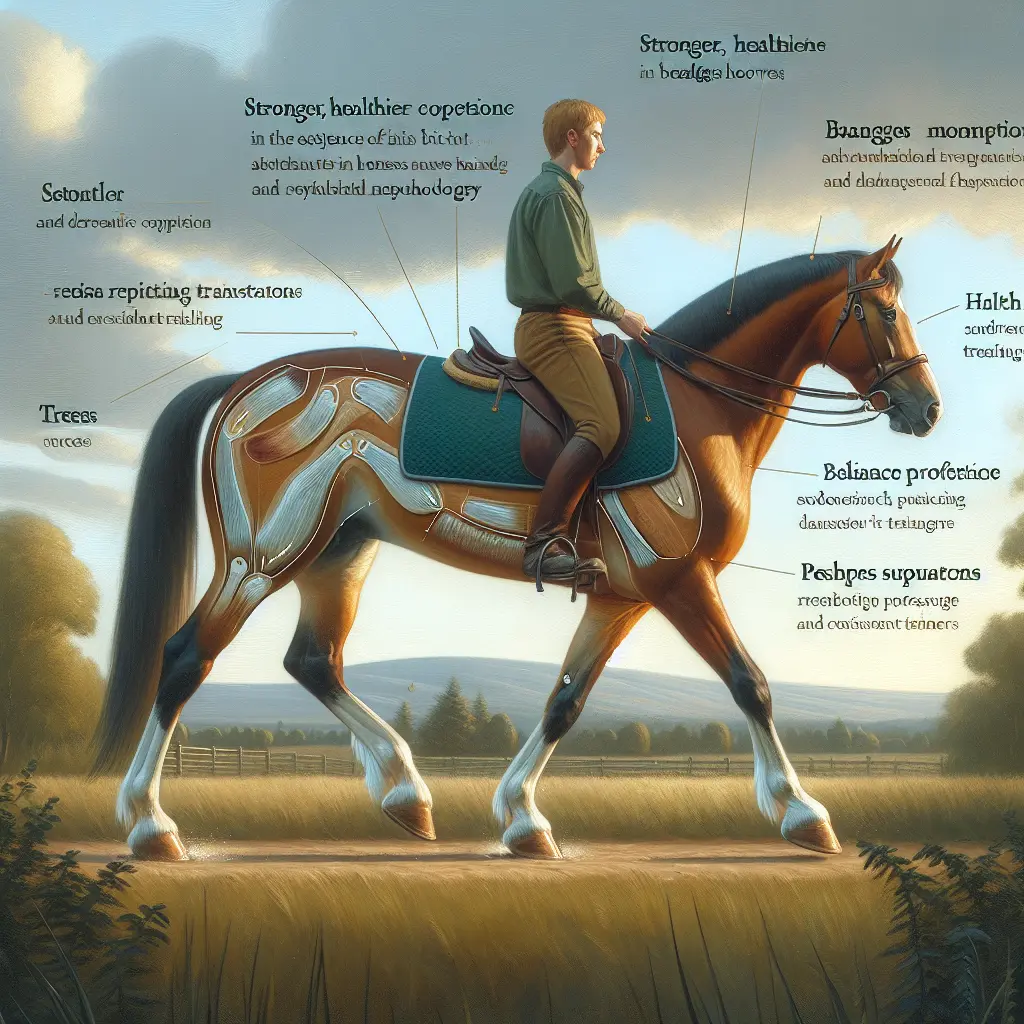
Opting for a barefoot approach emphasizes natural hoof health and movement:
Natural Hoof Health
Stronger Hooves: Removing shoes allows hooves to adapt naturally, becoming stronger and healthier. This adaptation can significantly reduce the common need for shoeing (source).
Reduced Laminitis Risk: By allowing a horse's hooves to function naturally, you may also reduce the risk of laminitis, a painful hoof condition associated with improper shoeing.
Improved Balance and Movement
Better Balance: Without shoes, horses rely on their natural hoof structure, leading to improved balance and proprioception.
More Natural Movement: Barefoot horses often move more naturally, enhancing overall athleticism and reducing the risk of certain injuries. This isn't just speculation; forums on Barefoot Hoof Care: Benefits and Considerations discuss these advantages extensively.
Benefits of a Treeless Saddle Approach

Treeless saddles offer several unique advantages:
Increased Comfort
Reduced Pressure: These saddles distribute weight more evenly across the horse's back, reducing the risk of discomfort. The Treeless Saddle Benefits page provides further insights into how this affects a horse's performance.
Improved Flexibility: Treeless saddles allow greater freedom of movement and avoid the restrictions conventional saddles impose on back muscles.
Enhanced Performance
Better Movement: By enabling natural movement, treeless saddles can improve your horse's performance during long rides or intense activities.
Challenges of These Approaches

Despite their benefits, these approaches present their own set of challenges:
Training and Transition
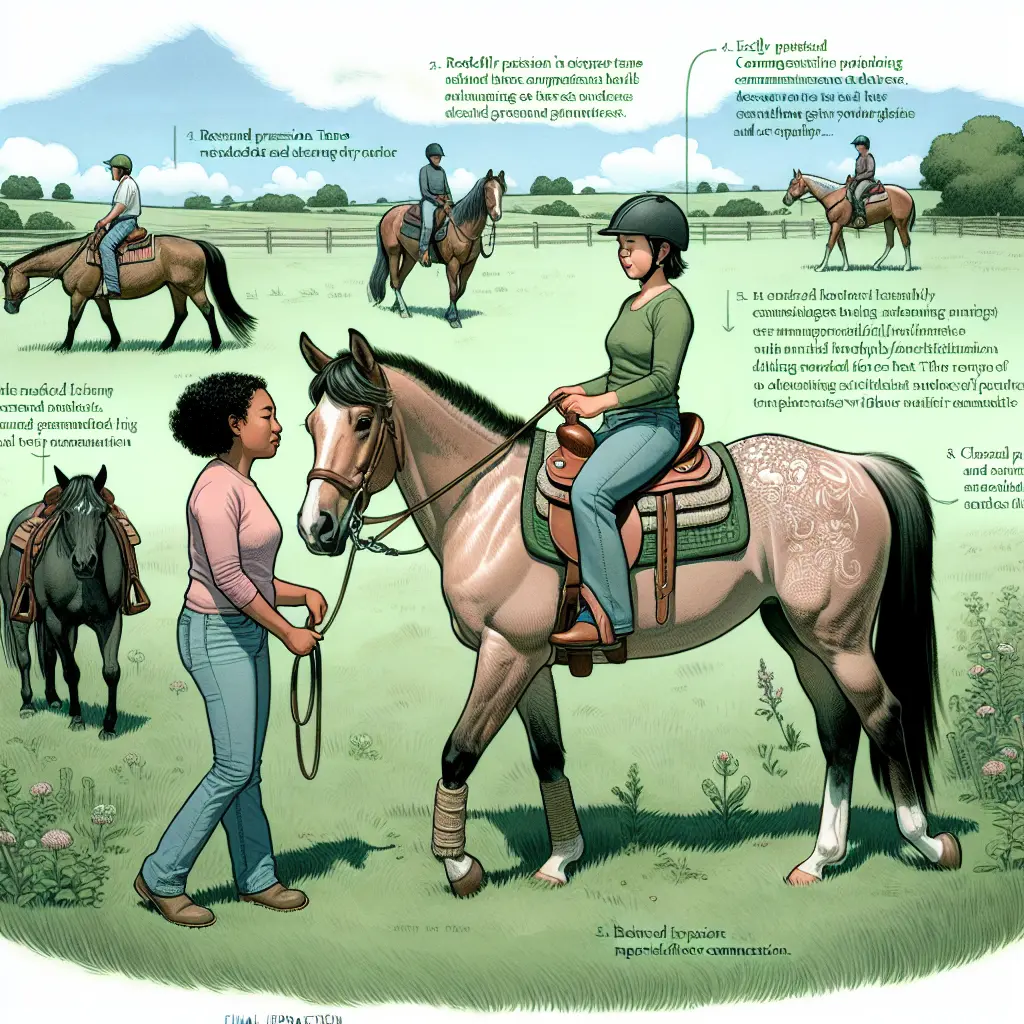
Time and Patience: Transitioning requires a gradual approach and consistent training. Be prepared for a period of adjustment and learning (source).
Professional Guidance: Working with experienced trainers can make the transition smoother, providing invaluable advice and addressing any challenges that may arise.
Social and Community Acceptance
Stigma and Skepticism: Some equestrian communities may have doubts or skepticism about these methods as unconventional. You may encounter social pressure to revert to traditional methods. Educational advocacy can help build understanding and support among peers.
Education and Advocacy: Educating others on the benefits of these approaches can foster a more accepting community, one open to the advantages of non-traditional techniques.
Conclusion
Choosing to adopt a bitless, barefoot, and treeless approach for your young horse involves much thought and consideration. While offering significant benefits—from improved comfort and communication to enhanced performance and well-being—it also comes with its set of challenges. Seeking professional guidance can be invaluable in navigating these. Ultimately, these actions prioritize your horse's health and happiness, paving the way for a more harmonious equestrian adventure.