

How to Maintain Optimal Weight for Your Aging Thoroughbred: Tips and Recommendations
As your Thoroughbred matures, maintaining its optimal weight becomes increasingly important for its overall health and quality of life. The aging process brings about changes in physiological needs, dental health, and digestion, all of which can impact weight management. Here's a comprehensive guide to help you keep your aging Thoroughbred at a healthy weight.
Understanding Age-Related Changes
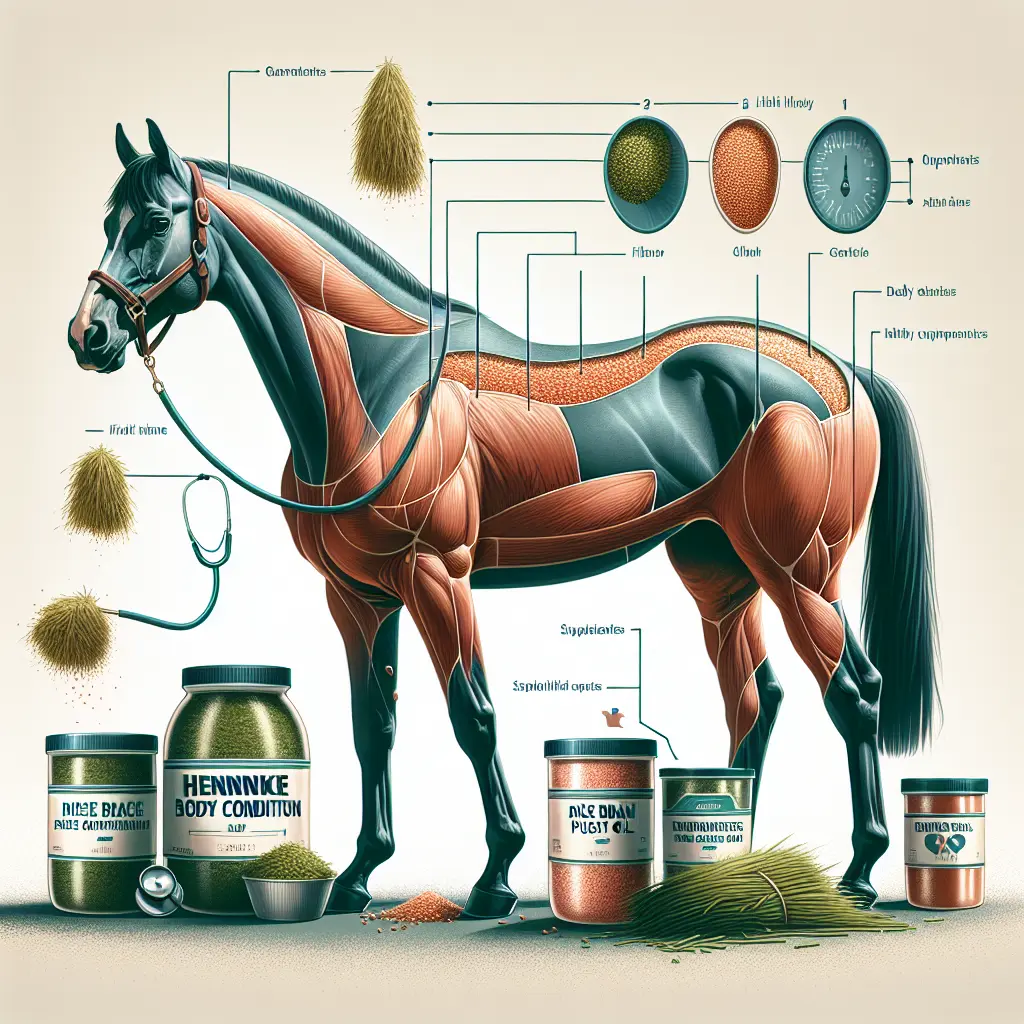
Horses are considered seniors between 15 to 20 years old, but age itself is not as critical as the horse's physiological condition. As horses age, their digestive efficiency may decrease due to dental issues and tooth loss, which can lead to weight loss. Regular dental inspections, ideally every six months, are crucial to help manage these issues. [2]
Nutrition for Aging Thoroughbreds
Aging Thoroughbreds require diets that are high in fiber and low in nonstructural carbohydrates (NSCs) to aid digestion and prevent metabolic disorders. Here are some key nutritional recommendations:
High-Quality Hay
Feed alfalfa hay and good-quality grass hay. Avoid stemmy and mature hay with tougher fiber, as it's harder to ferment. [1]
Supplements
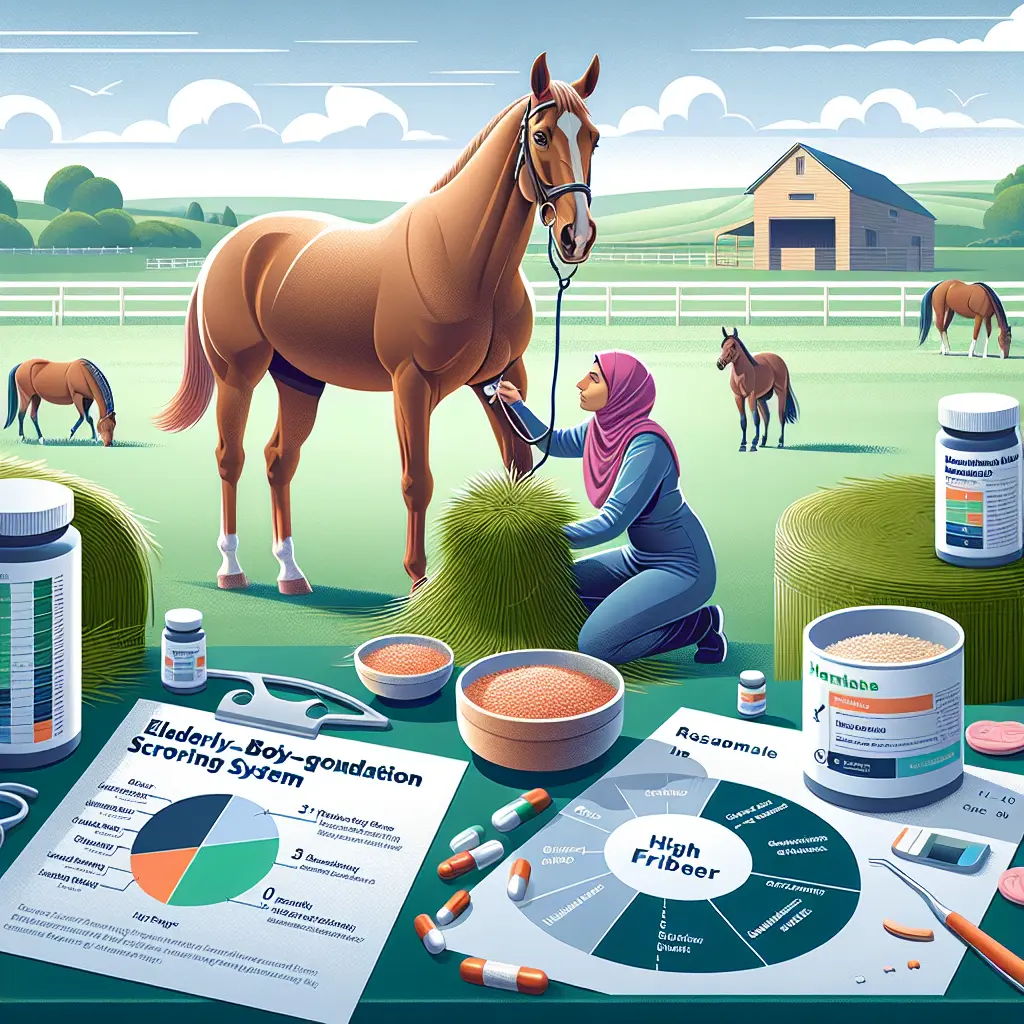
Use fats, oils, and highly fermentable fibers to add calories safely. Consider incorporating flax, rice bran, and plant or marine-derived oils, along with beet pulp. [1]
Processed Feeds
Utilize complete or senior feeds that are easier to digest, especially for horses with dental issues. These feeds often have a higher protein percentage (around 12 to 14%) and utilize high-quality protein sources.[2]
Managing Health Conditions
Senior horses may suffer from chronic conditions like arthritis, which can hinder their ability to eat or move around, leading to weight loss. Here are some strategies to manage these conditions:
Monitor Health
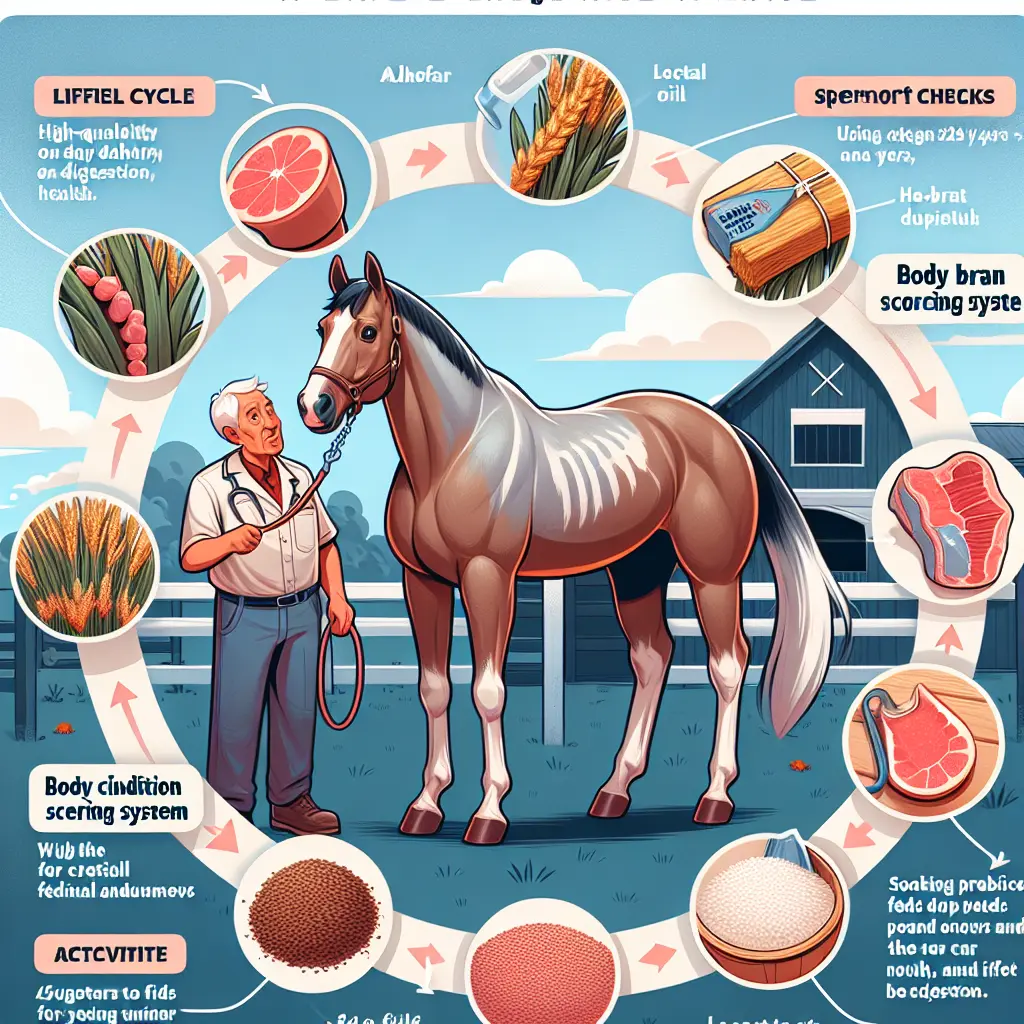
Regularly check your horse's weight and body condition using the Henneke Body Condition Scoring system to identify any issues early. [3]
Veterinary Care
Consult your vet to diagnose and treat underlying conditions that may cause weight loss. Common issues include obesity, laminitis, and PPID. [4]
Seasonal Adjustments
Seasonal changes in forage can lead to calorie discrepancies, affecting your horse's weight. Here are tips to manage these fluctuations:
Hay Testing
Regularly test your hay to ensure it meets your horse's nutritional needs. The caloric content of hay can vary significantly based on plant maturity and harvest conditions. [5]
Adjust Calorie Intake
Increase calories modestly in colder months to offset greater energy needs. Consider adding energy-dense feeds like oils or fortified fat supplements. [5]
Ensuring Adequate Activity
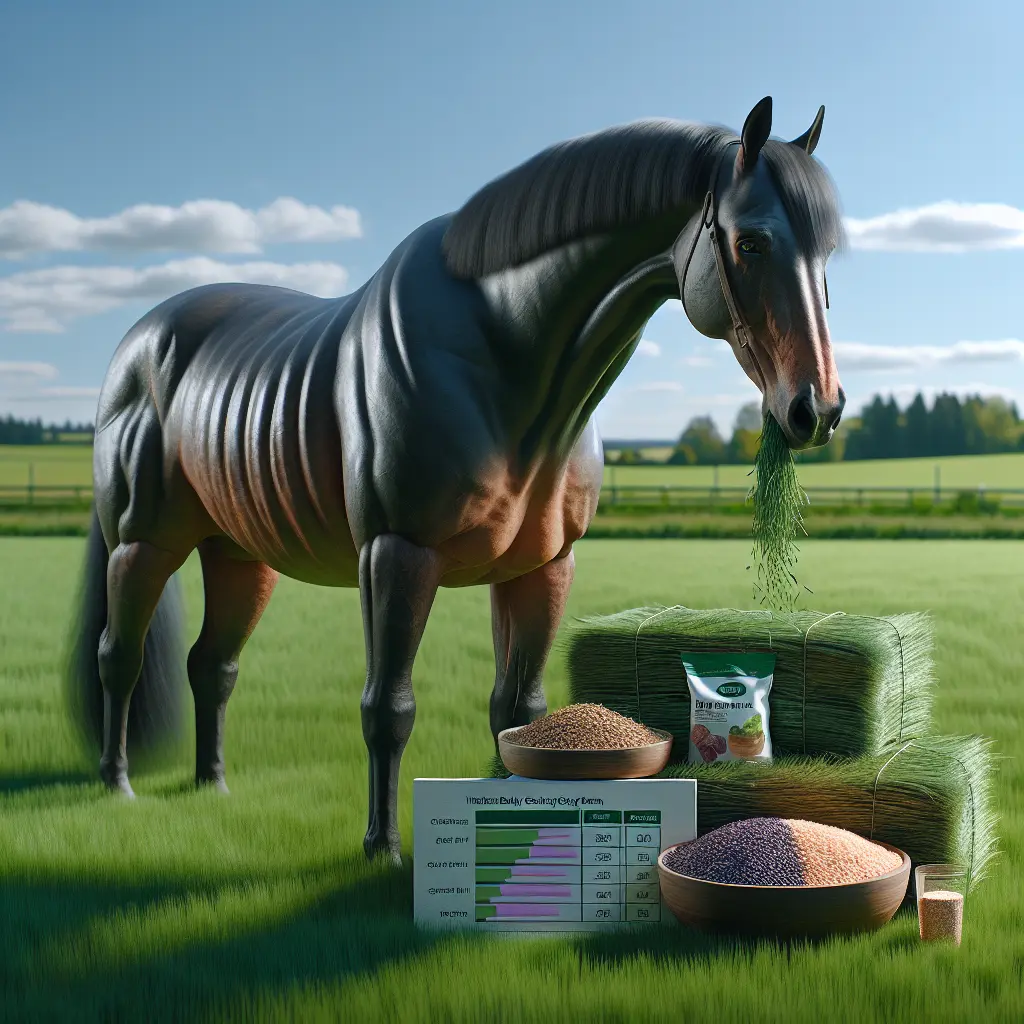
Encouraging your aging Thoroughbred to stay active can help with weight management. More activity often leads to increased grazing, which benefits both dietary intake and overall health. [4]
Additional Tips for Weight Management
Consider using prebiotic and probiotic supplements to promote a healthy gut environment, which aids in digestion and weight stability. Soak feeds to reduce the risk of choking, especially for horses with dental issues.[2]
By following these guidelines and consulting with a veterinarian to tailor a diet and exercise plan specific to your horse's needs, you can help maintain your aging Thoroughbred's optimal weight and ensure it remains healthy and active.
Explore Our Collection
For equestrians interested in enhancing their riding experience, explore our exclusive Jodhpur Collection, delve into our elegant Horse Riding Boot Collection, and check out our Horse Riding Gloves Collection for added comfort. Complement your gear with our Horse Riding Socks Collection and embrace a stylish yet comfortable ride.
Don't forget to pamper your horse with our Horse Treats And Gifts while ensuring their health with Everyday Horse Vitamins & Supplements. For colder months, you might also need Stable Rugs and Turnout Rugs to keep them cozy and protected.
Lastly, ensure their safety and comfort with our range of Horse Fly Protection products. By pairing these essentials with the tips outlined above, maintaining your aging Thoroughbred’s optimal weight, health, and happiness will be a rewarding journey.