Managing Horses with Free Fecal Water Syndrome (FFWS)
For horse owners and caregivers, dealing with Free Fecal Water Syndrome (FFWS) can be a frustrating challenge. This condition, while often misunderstood, has significant implications for hygiene, skin health, and the gastrointestinal wellbeing of horses. Through this article, we aim to explore the unique challenges posed by FFWS and offer actionable strategies to manage it effectively.
Understanding Free Fecal Water Syndrome
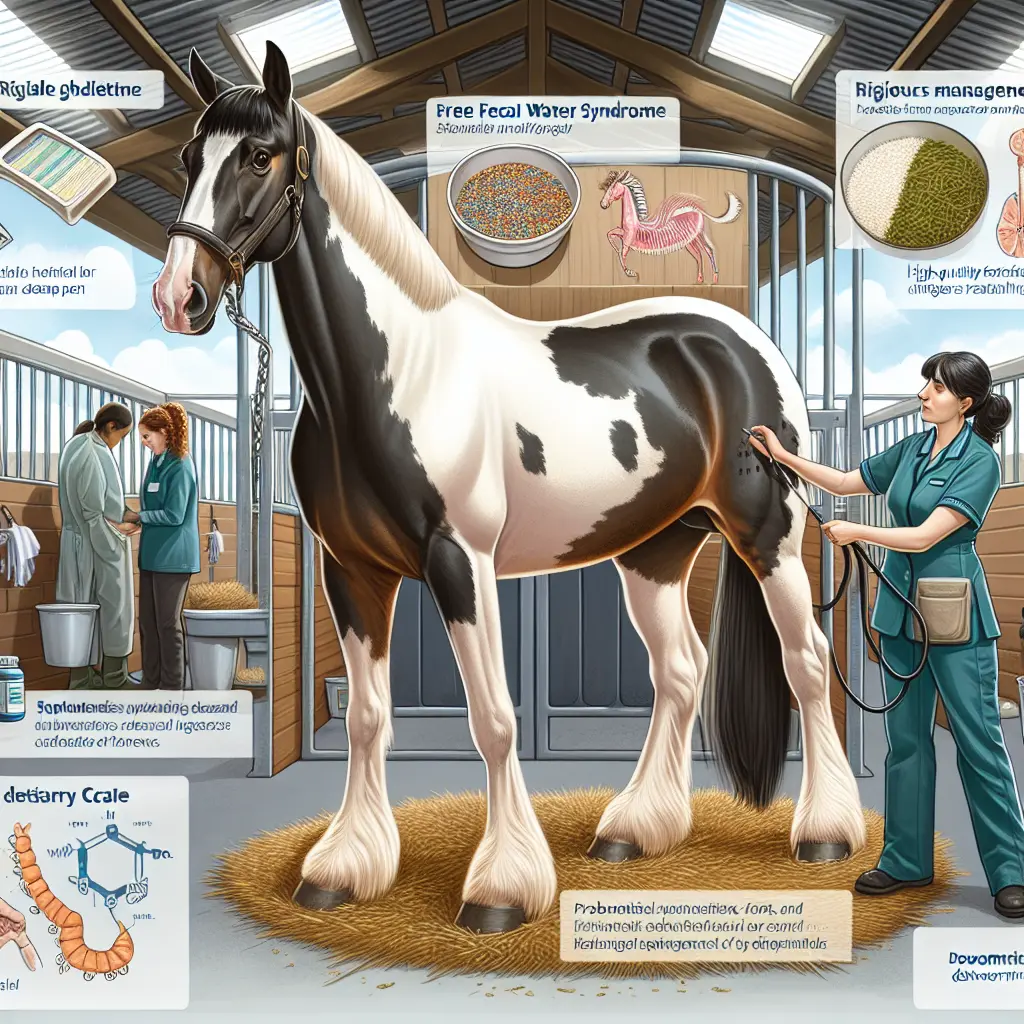
FFWS is best described as a condition where horses pass feces in two phases: a solid form and a watery discharge. This free fecal water is not to be confused with diarrhea as the feces remain largely normal, but the accompanying water can cause considerable mess and discomfort. This disorder is more common in certain breeds and generally exacerbated by specific lifestyle or dietary factors.
Challenges in Managing FFWS
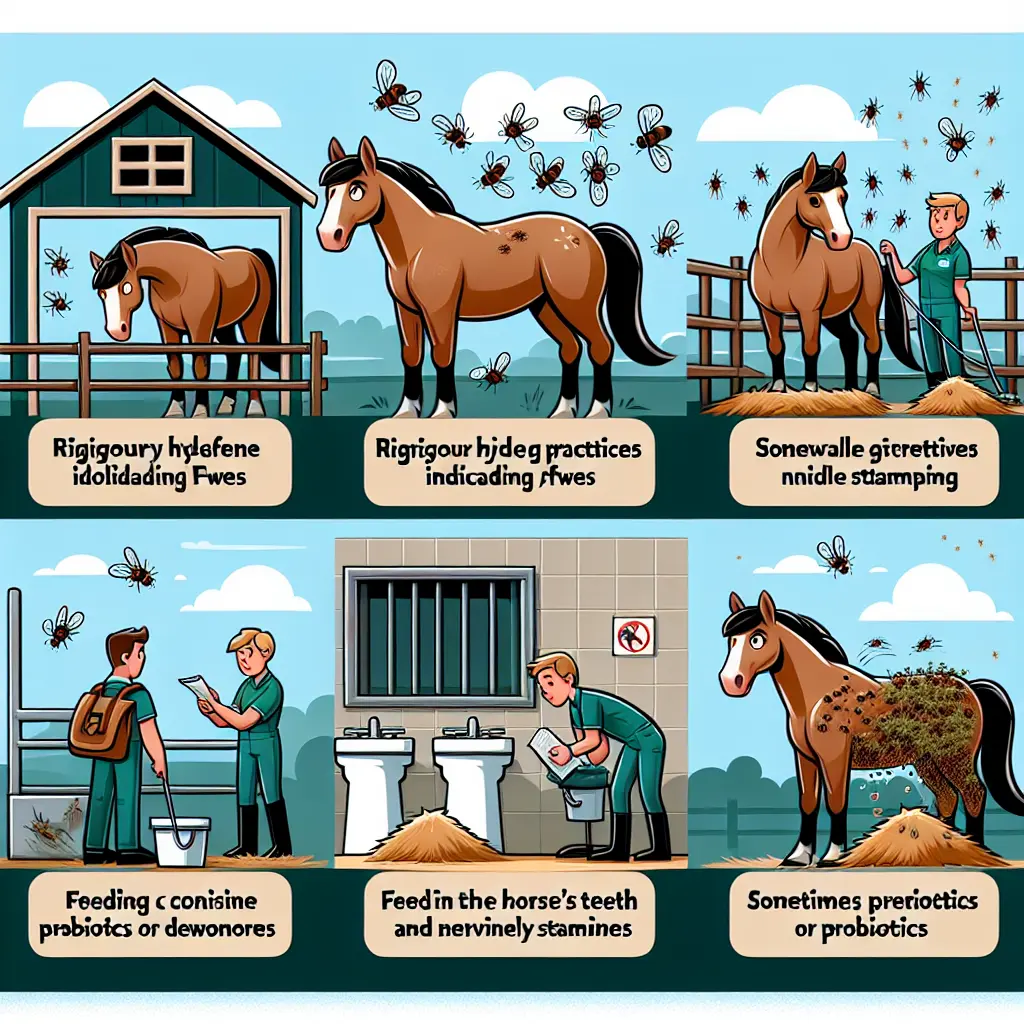
- Hygiene and Skin Health: Continuous exposure to watery fecal matter can lead to irritated skin, attraction of flies, and further complications like dermatitis.
- Behavioral Signs and Discomfort: Horses with FFWS often display signs of discomfort during defecation, which can make handling them tricky, especially if they become restless or anxious.
- Environmental Management: Constant clean-up is required as stalls and bedding can become soiled more quickly.
- Underlying Health Factors: Various factors like age, breed, stress levels, and even oral health are potential contributors to FFWS.
Strategies to Mitigate FFWS Effects
Hygiene Maintenance
Vigilant care and cleaning are advised to reduce the risk of skin infections and alleviate discomfort. Regular grooming, coupled with occasional safety gloves to ensure thorough work, will minimize skin complaints and keep your horse happy and healthy.

Dietary Management
The importance of a high-quality, consistent diet cannot be understated. Access to premium forage and a stable feeding regimen assist in maintaining a healthy gut. Supplements, such as probiotics and prebiotics, are also beneficial in maintaining microbial balance.
Veterinary Assessment
Regular veterinary check-ups are crucial for ruling out other underlying gastrointestinal issues that might mimic FFWS. Poor dental health can significantly affect digestion, necessitating frequent oral exams and appropriate stable rug adjustments to suit health conditions.
Environmental and Behavioral Management
Efforts to create a tranquil, clean living space for horses can reduce stress-related exacerbations of FFWS. Proper herd management ensures all horses gain equal access to feed and reduces stress from competition.
Monitoring and Documentation
Recording patterns in your horse's symptoms, diet changes, and responses to specific treatments is essential. It allows caregivers to pinpoint potential triggers and implement more targeted management strategies over time.
Summary of Facts and Figures
- FFWS is more common in older horses, specific breeds like Paints, and is linked to gut motility issues.
- Characterized primarily by separate solid fecal and watery discharge phases, it indicates potential digestive dysfunction.
Conclusion
Through a combination of meticulous hygiene, careful dietary management, and expert veterinary guidance, FFWS can be managed effectively, reducing discomfort for your horse and improving their overall quality of life. By implementing these practices, horse owners can alleviate the burden of FFWS, providing a much-needed reprieve for their equine companions.