

Managing Winter Faecal Water Syndrome in Elderly Cob Geldings
Free Faecal Water Syndrome (FFWS) is an enigmatic yet common condition affecting many horses, particularly elderly cob geldings during the winter months. This condition leads to the leakage of free water from the anus around defecation, while the feces themselves remain typically normal. Though not life-threatening, FFWS can cause discomfort, hygiene issues, and increase risks such as skin irritation and frostbite. Effective management, focusing on dietary adjustments and environmental changes, is crucial to improve your horse's health and overall well-being.
Understanding Free Faecal Water Syndrome (FFWS)
FFWS often affects older horses, including cob geldings, during winter when changes in diet and management occur. Research indicates that about 31% of horses with FFWS exhibit symptoms in winter, likely due to increased hay feeding, reduced turnout, and the stress of cold weather. Learn more from The Horse.
It's suggested that altered hindgut function, with increased motility and impaired water absorption in the large intestine, contributes to excess watery discharge. Further contributing factors include inflammation, stress, and changes in microbiota, which might disrupt the gut lining's tight junctions, reducing their ability to retain water. These disruptions are often seen more in geldings that may face social stress due to their lower rank in herd hierarchy, exacerbating gastrointestinal disturbances.
Why Winter is High Risk?
Winter presents several challenges that heighten FFWS risk:
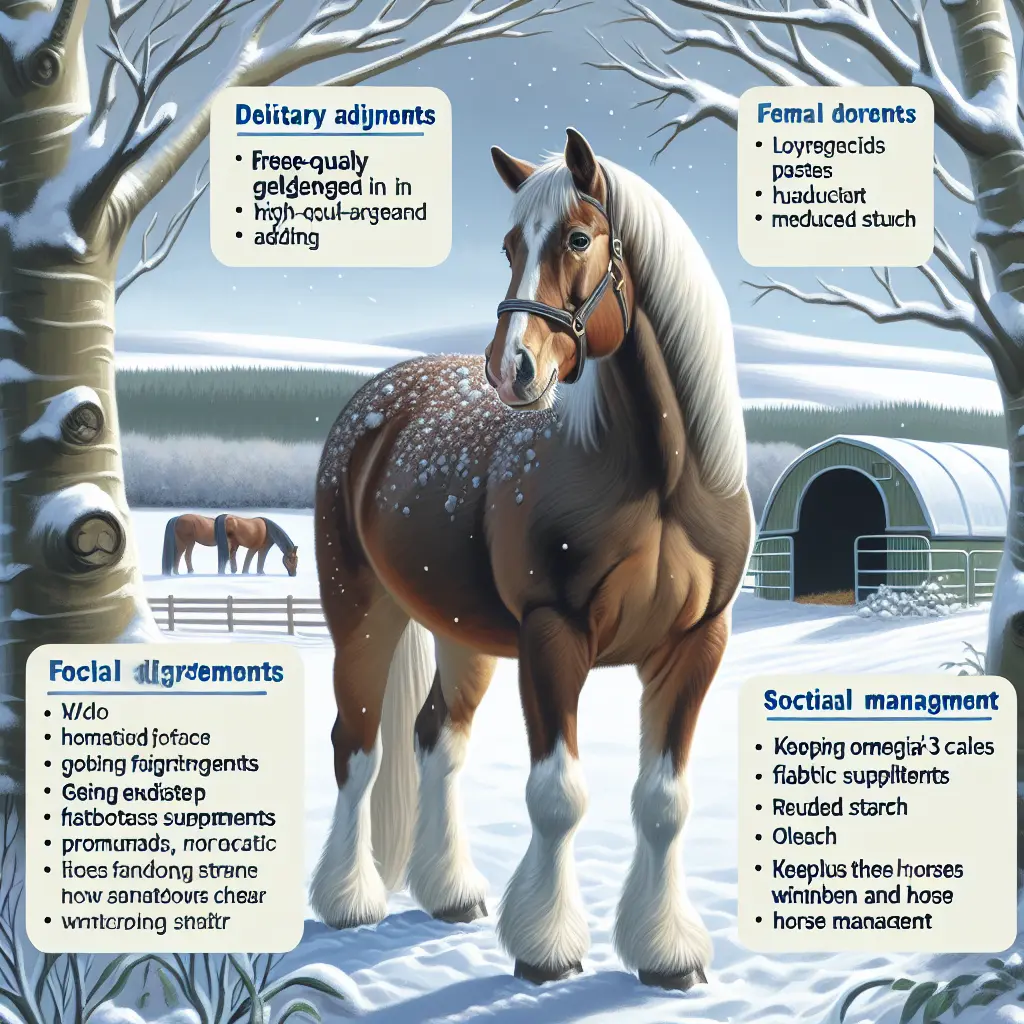
- Dietary Shift: The shift from fresh pasture grazing to dry hay diets can upset hindgut bacteria and motility.
- Reduced Turnout: Less outdoor time increases stress and restricts natural foraging behavior.
- Cold and Moisture: Constant wetness from faecal water predisposes areas like the hind limbs and tail to frostbite and skin wounds.
Effective Dietary Solutions for Managing FFWS
Given that diet plays a crucial role in gut health, careful nutritional management is vital:
Maintain High-Quality Forage Access
Providing continuous access to good quality hay encourages frequent eating, supporting normal gut motility and microbiome balance. Avoid feeding directly off sandy ground to ward off gastrointestinal irritation [source].
Reduce Long-Stem Fiber Bulk
Some horses might respond well to diets with less bulk or shorter fiber lengths to reduce hindgut irritation and improve water absorption.
Lower Starch Concentration
High starch diets can cause fluctuations in hindgut water movement due to starch fermentation. A low-starch, high-fiber diet helps stabilize water balance. Learn more at Equine Premium.
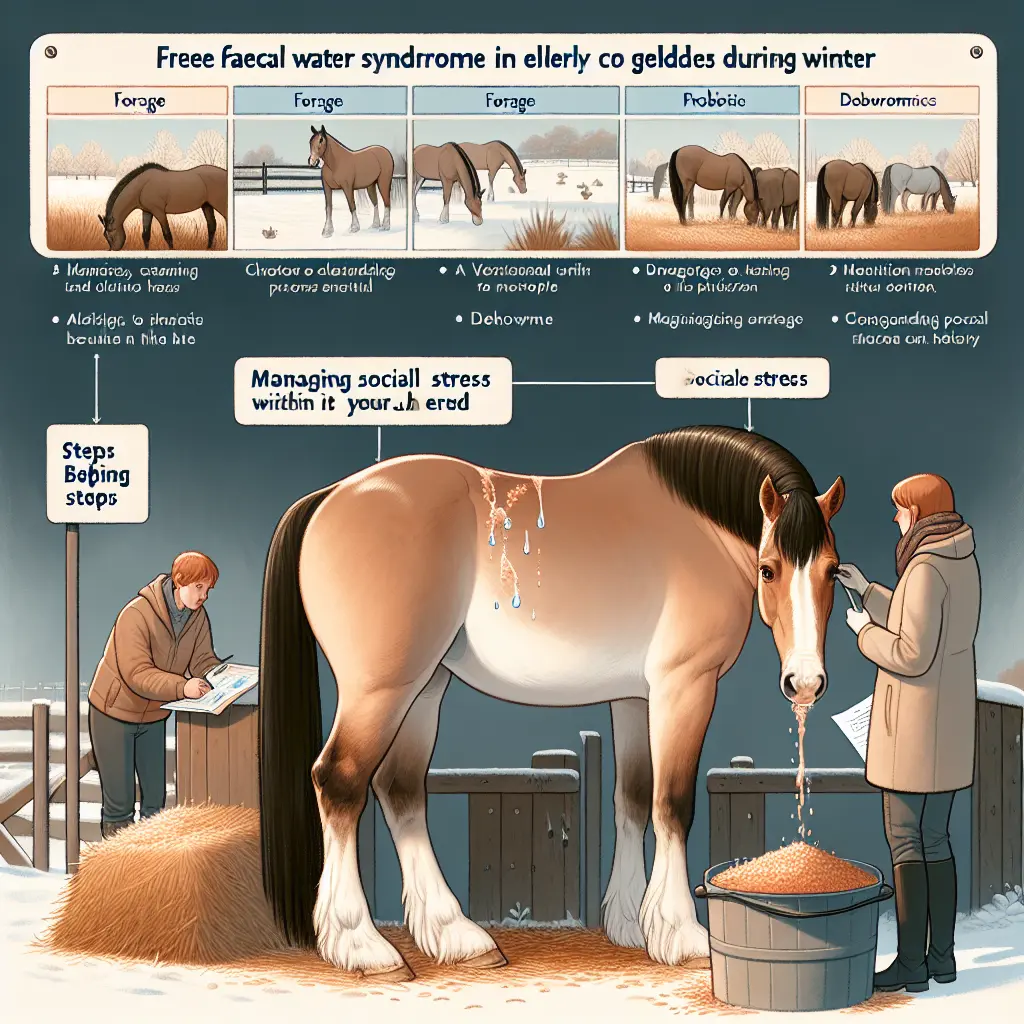
Introduce Omega-3 Fatty Acids
Omega-3s support a balanced inflammatory response in the gut lining, potentially improving absorption and reducing irritation.
Use Probiotic Supplements
Supplements like Saccharomyces cerevisiae can help stabilize hindgut flora and motility with positive effects in some cases. More details at SmartPak Equine.
Additional Care Tips
Beyond dietary solutions, consider these care tips to manage FFWS:
Manage Social Stress
Reducing herd size during turnout or separating submissive geldings can alleviate competition stress, a factor implicated in FFWS development.
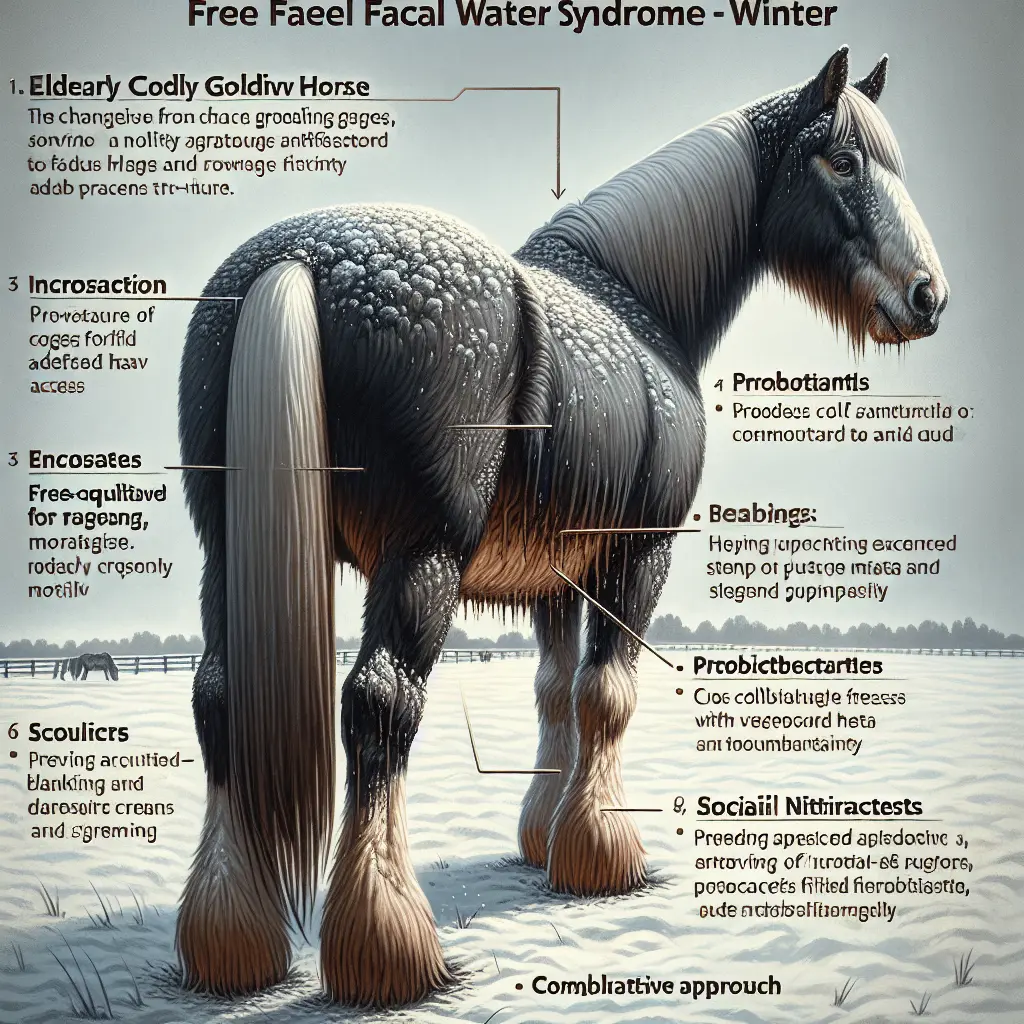
Keep the Hindquarters Clean and Dry
Regularly washing and drying the tail and hind limbs can prevent skin sores and frostbite. Protective creams like petroleum jelly can create moisture barriers.
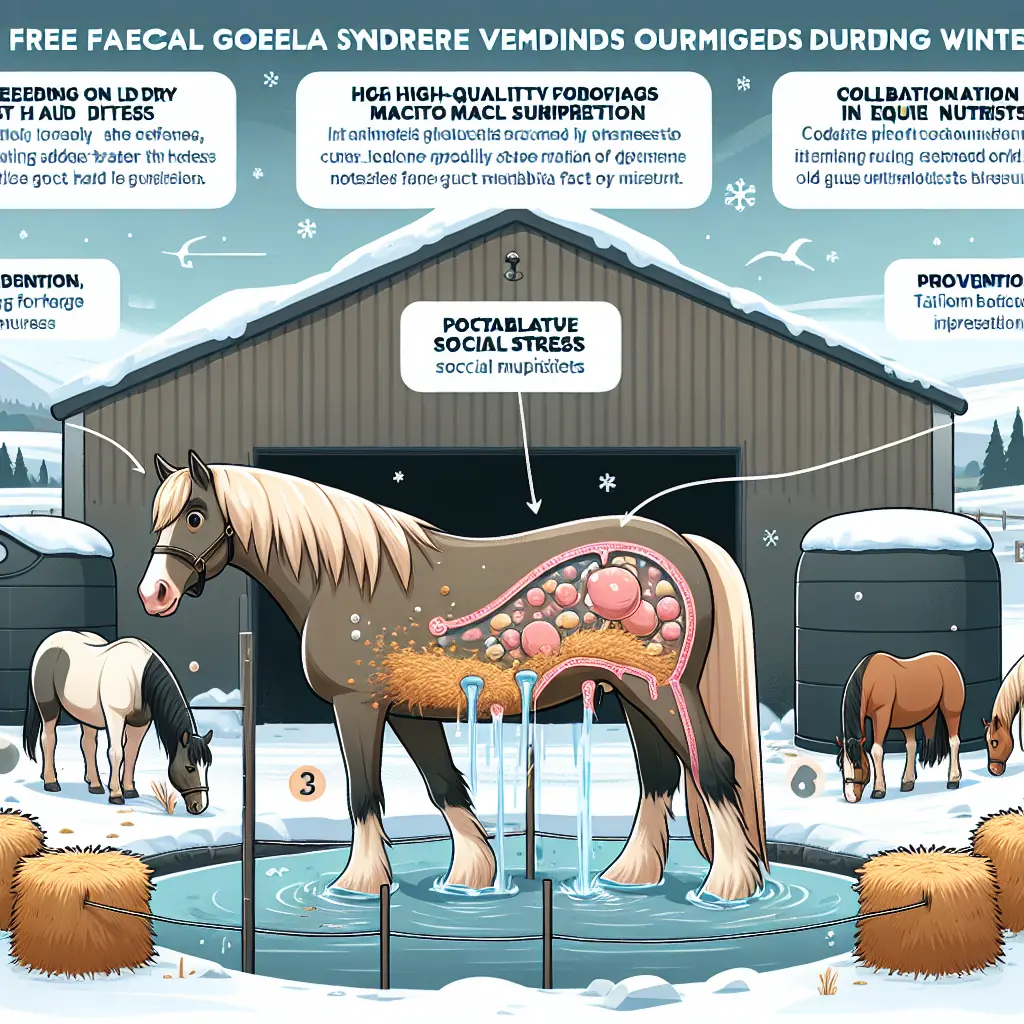
Blanketing and Shelter
Secure adequate blankets that protect but do not trap moisture and ensure access to dry shelter to avoid prolonged wetness.
Deworming and Dental Care
Effective deworming and addressing dental issues enhance feed digestion and gut health, crucial for mitigating FFWS effects.
Veterinary Diagnostics and Treatment Options
Veterinarians typically rule out other digestive diseases through thorough history and examinations, including assessing diet, environment, and social factors.
Fecal Microbiota Transplantation (FMT)
This involves introducing fecal material from healthy donors to restore gut bacteria balance. Improvements in fecal consistency are sometimes observed within days.
Medication Strategies
For cases linked to endocrine issues like PPID, medications such as pergolide can improve symptoms including FFWS.
Facts and Figures Supporting Management
- Horses typically drink about 8 gallons of water daily and have about 19 gallons circulating through their gastrointestinal tract.
- The large colon absorbs approximately 4 gallons and the small colon absorbs 1.5 gallons of water each day, highlighting the importance of gut health for water retention.
- Disruption to the tight junctions lining the colon walls can worsen water loss in FFWS [source].
Final Recommendations
Managing FFWS in elderly cob geldings during winter requires a holistic approach focused on dietary management, stress reduction, preventive care, and environmental hygiene. Collaborating closely with your veterinarian and equine nutritionist will ensure a customized plan that addresses your horse’s specific needs, improves quality of life, and reduces complication risks. For supplementary winter care tips and product collections, visit Just Horse Riders.