

Challenges and Considerations in Finding the Perfect Horsebox: A Search for Uncommon Specs
When embarking on the quest for the perfect horsebox, especially one that possesses uncommon specifications, there's a plethora of challenges and considerations you must navigate. From understanding payload capacity and legal requirements to incorporating the latest in safety features and managing additional costs, every factor plays a critical role. Below, we delve into each of these components to help guide you toward a horsebox that truly satisfies your unique needs.
Understanding Payload and Weight Capacity
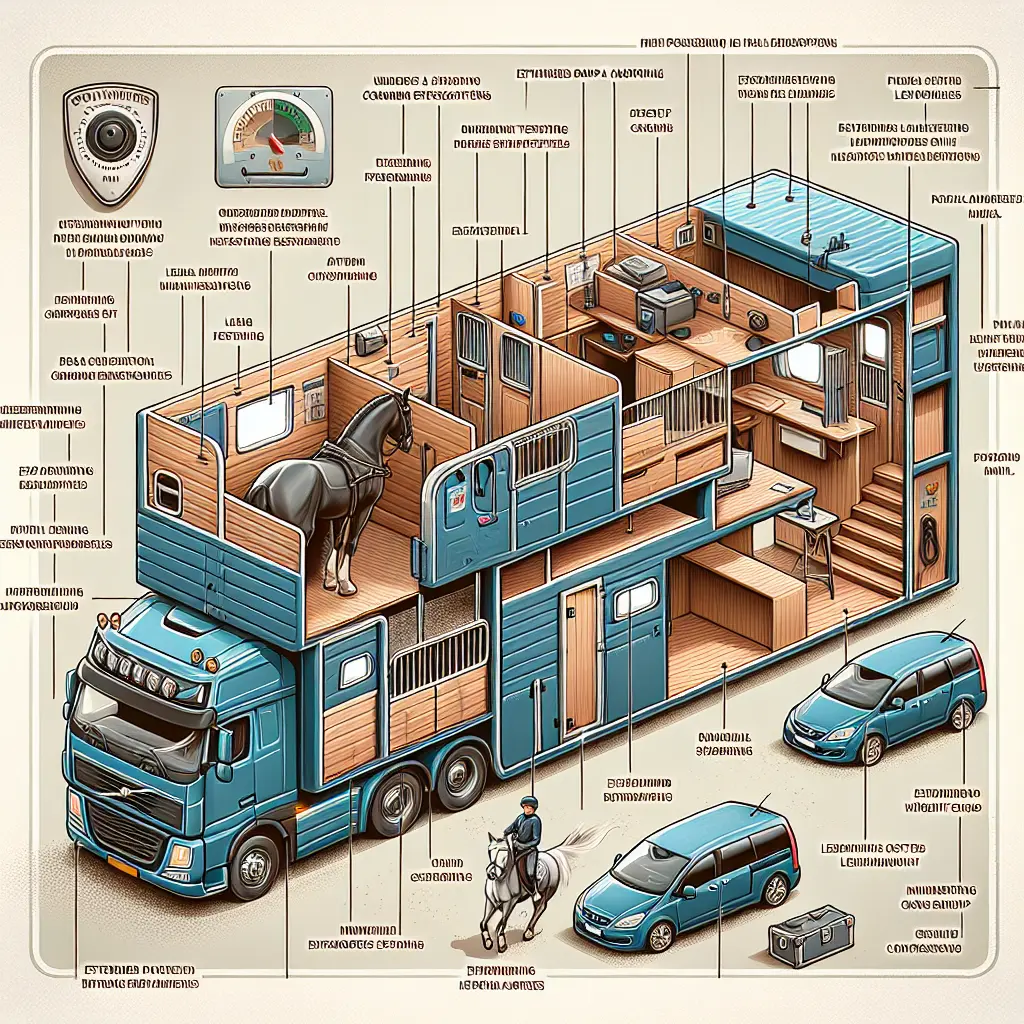
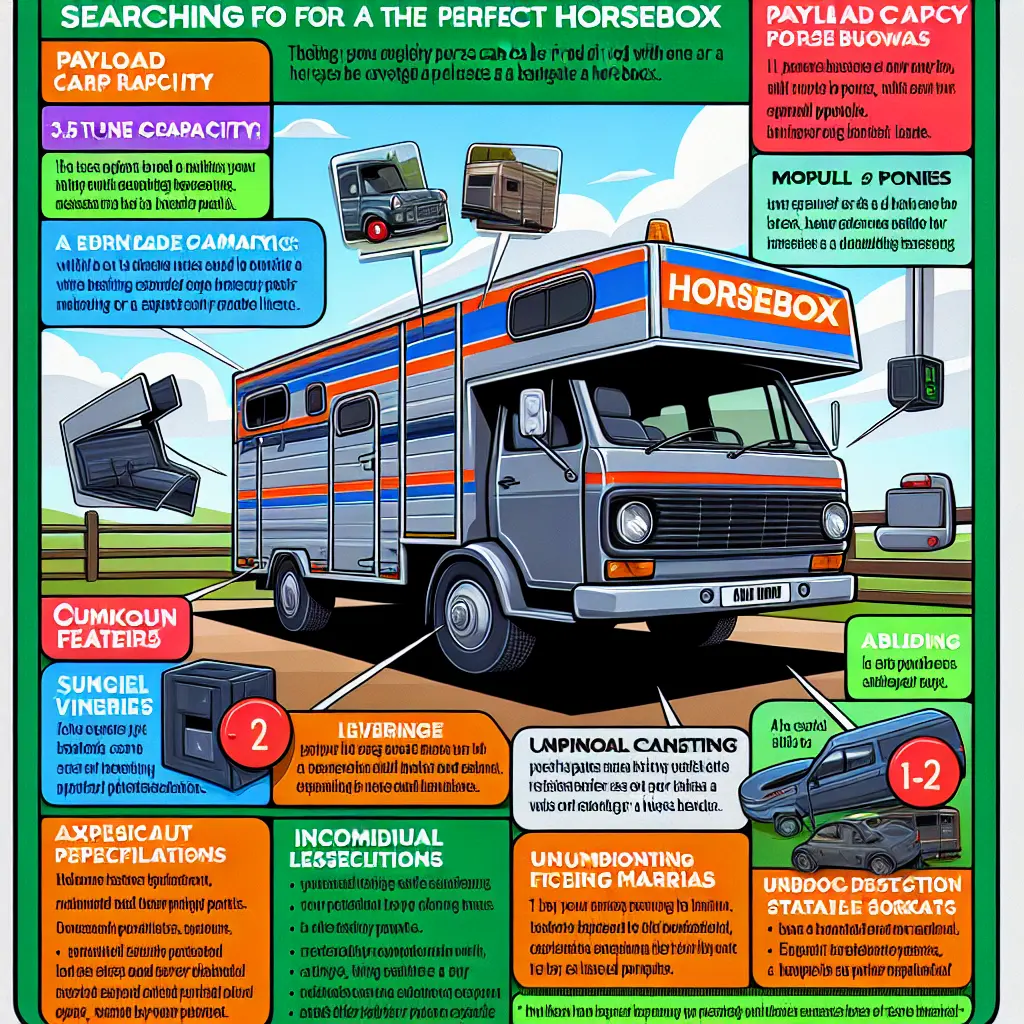
The payload of a horsebox refers to the peak weight it can safely bear, including horses, passengers, fuel, water, and gear. For a 3.5-tonne horsebox, the payload typically varies between 600 kg to 1,200 kg. This range depends significantly on the build specifics, such as living areas or coachbuilt bodies. For instance, models like the **Owens Eclipse SE** provide a payload up to 1,250 kg, while others like the **Oakley Supersport** might offer a lesser payload from 900 kg. Ensuring your horsebox can handle your horse's weight is crucial, thus a 3.5-tonne horsebox generally suits one massive horse or two petite ponies.
Legal Requirements for Driving a Horsebox
Driving a horsebox isn't as simple as taking your car out for a spin. For 3.5-tonne horseboxes, a standard car license typically suffices. However, larger models, extending over 3.5 tonnes up to 7.5 tonnes, necessitate a Category C1 license. Additionally, transporting horses commercially may require an operator license. Ensuring adherence to licensing stipulations is pivotal to side-stepping legal complications.
Safety Features and Considerations
When it comes to selecting a horsebox, safety ought to be of paramount importance. Essential features to look for include:
- Secure ramp designs to ensure efficient and safe loading/unloading of horses.
- Camera systems for constant monitoring during transit.
- Sturdy partitions to avoid injury from horses moving around.
- Proper ventilation to provide a comfortable atmosphere for your horses.

Additional Costs and Maintenance
Purchasing a horsebox doesn’t stop at its initial price. It involves various ongoing costs such as:
- Annual Testing: Both 3.5-tonne and larger horseboxes require annual road tests for safety compliance.
- Road Tax and Insurance: These costs fluctuate based on the vehicle's specs and use.
- Breakdown Cover: Essential for reducing downtime and guaranteeing safe horse transport.
Uncommon Specifications: What to Look For
If you're searching for a horsebox with uncommon specs, your checklist might include expanded living areas, specific flooring types, or additional storage space. Consider the following tips:
- Living Areas: Models like the **Equi-Trek Sonic Five** offer rear bench seats converting into bunks, perfect for overnight stays.
- Flooring and Construction: Materials like aluminium plank flooring are noted for durability and easy cleaning.
- Storage and Extras: Large tack lockers and groom’s areas become crucial for organizing equipment and offering comfortable handler spaces.
Horse Riding Gear and Apparel Essentials
When preparing for any horse ride, having the right apparel and proper boots can dramatically impact the experience. Jodhpurs, boots, and gloves are key to safety, performance, and comfort during a ride.
The Importance of Stable Rugs
For those crisp nights and cooler seasons, investing in stable rugs ensures that your horse stays warm and comfortable. They're instrumental in preventing chills, especially for horses housed indoors.
Turnout Rugs: When Outdoor Comfort is a Priority
As horses spend time outside, turnout rugs shield them from the elements. These offer protection under inclement weather while ensuring optimum comfort and liberty.
Maximizing Safety with Horse Fly Protection
Nothing's quite like a buzzing fly to get a horse flustered. The solution? Investing in reliable horse fly protection can significantly enhance your horse's outdoor enjoyment, keeping the pesky insects at bay.
Supplementing Your Horse’s Health
For overall wellness, ensuring that your horse receives the correct equine supplements can be pivotal. These supplements contribute to potent immune systems and improve vitality.
Horse Treats and Gifts
Who said treats were just for humans? Pamper your trusty steed with horse treats and gifts. Whether as rewards or simply tokens of affection, these treats can enhance your bond with your horse.

Conclusion
In summary, finding the perfect horsebox requires attention to crucial factors like payload capacity, legal stipulations, safety features, and other associated costs. Whether you lean toward a 3.5-tonne model or something bigger, arming yourself with the necessary knowledge ensures a wise and satisfying purchase path. Prioritize safety and comfort for horses and handlers alike, and seek expert counsel if uncertainty strikes any facet of the decision-making journey.
For additional detail on horsebox specs and buying advice, resources like Horse and Rider Magazine and Moving Manes are invaluable.