

Choosing the Perfect Hay Feeder for Your Horse
Finding the perfect hay feeder for your stable involves balancing your horse’s natural feeding behavior, ensuring hay preservation, and practical management. The right feeder minimizes hay waste, supports digestive health, and mirrors natural grazing.
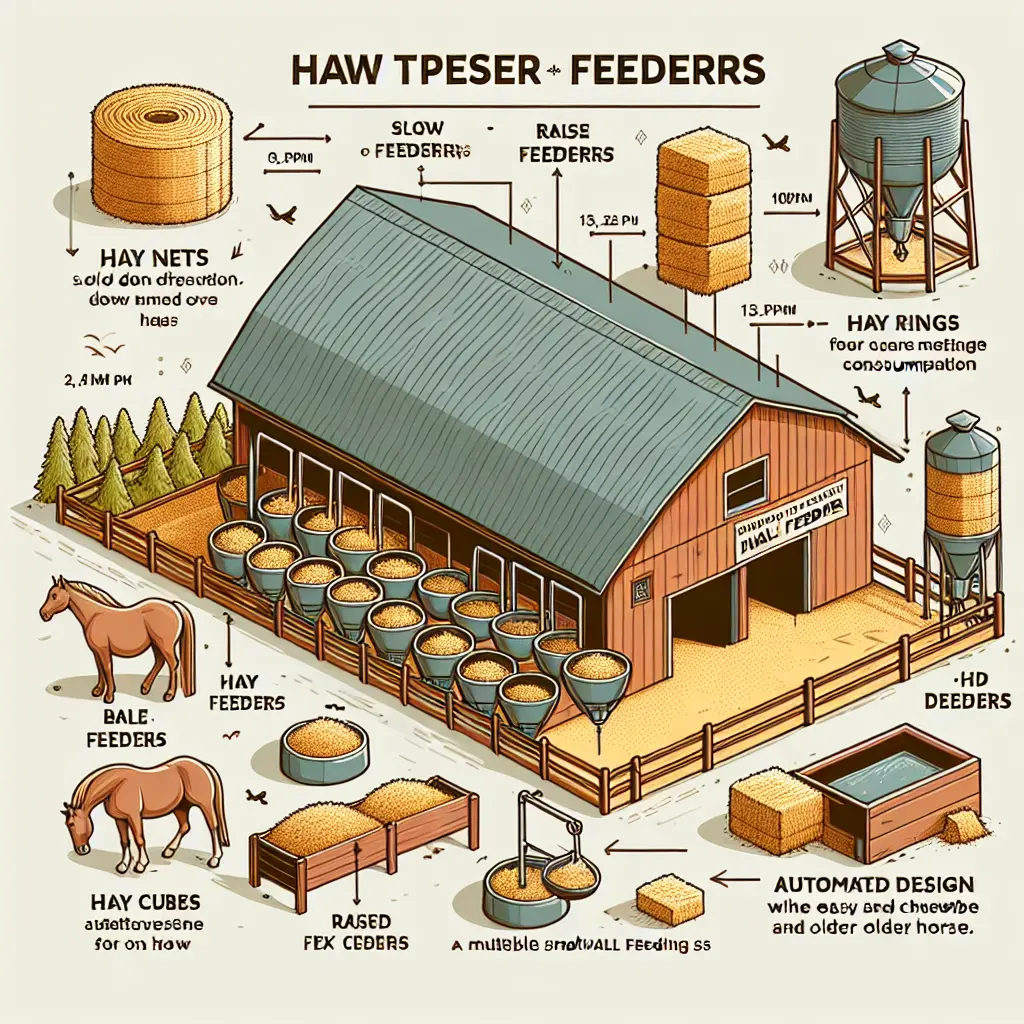
Understanding Your Horse’s Natural Foraging Needs
Horses have evolved as continuous grazers, which means they gently nibble small amounts of forage throughout the day. Experts recommend feeding them 1.5–2.5% of their body weight in forage daily—about 20 pounds for a 1000-pound horse. Feeding patterns that deviate from their natural habits can lead to digestive issues like stomach ulcers.
Mimicking Natural Grazing
Frequent feeding or using slow feeders can simulate their natural grazing, promoting saliva production that buffers stomach acid. This minimizes ulcer risks significantly, promoting an overall healthier gastrointestinal environment.
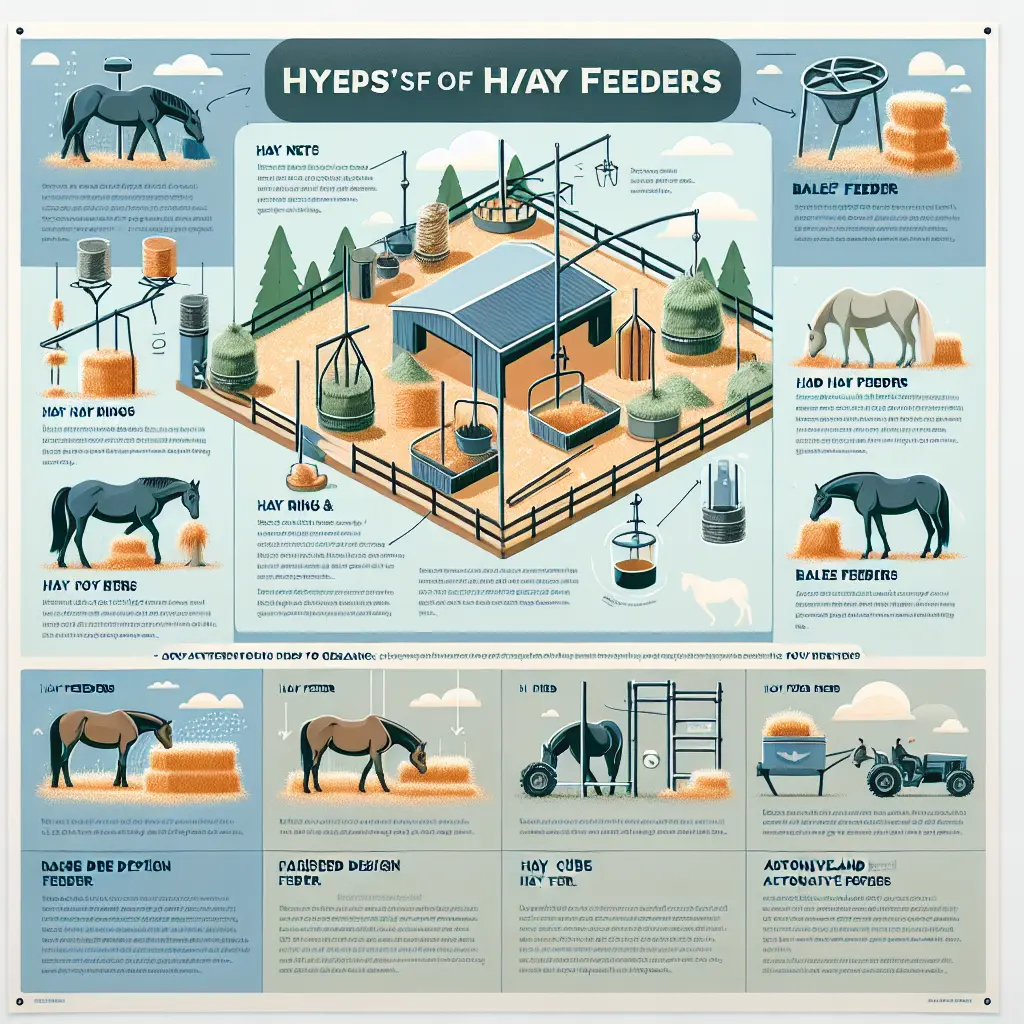
Key Options and Innovations in Hay Feeders
Hay Nets and Slow Feeders
Ideal for replicating natural grazing, hay nets and slow feeders extend feeding time by slowing intake rates, which minimizes waste and airborne dust. This is especially beneficial for horses with respiratory conditions.
Hay Rings and Bale Feeders
These feeders keep round bales contained, reducing wastage significantly compared to ground placements. They work well for pasture feeding but require combined weather protection to avoid hay spoilage.
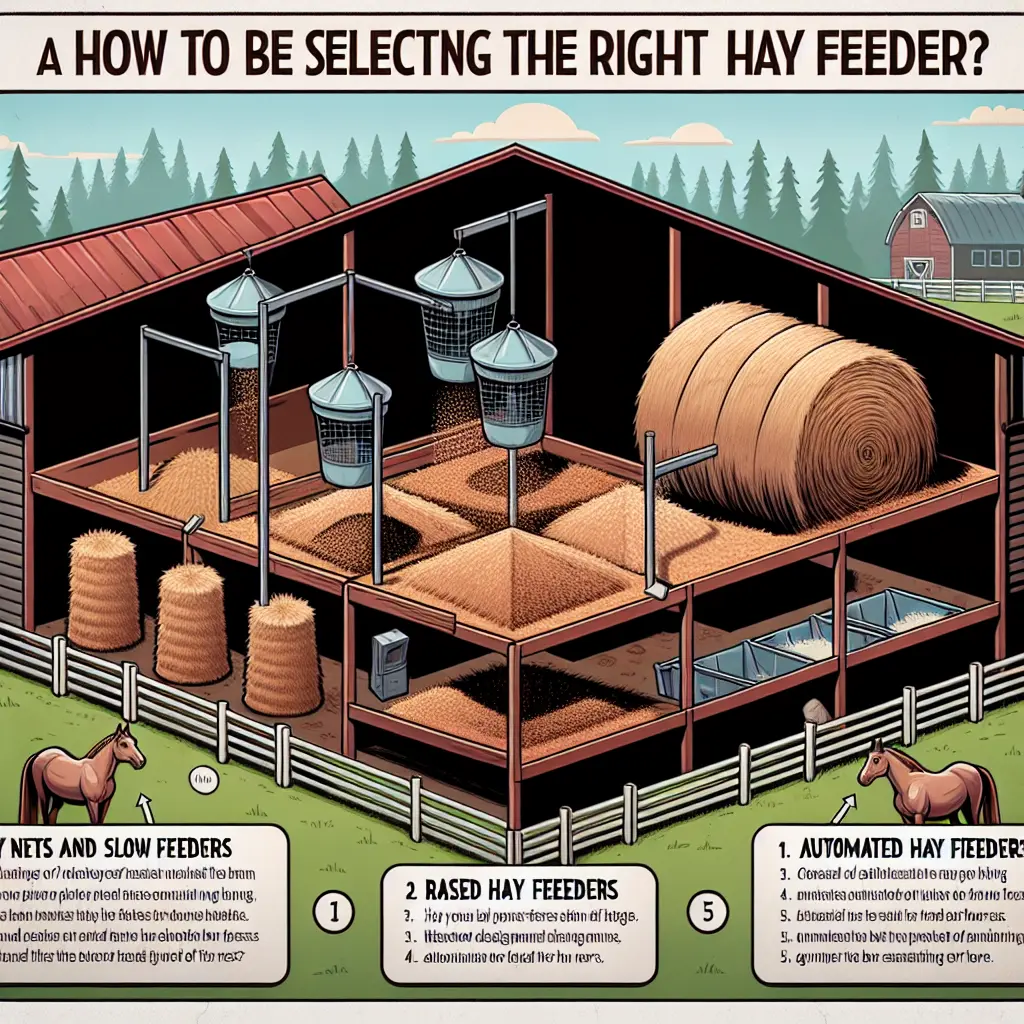
Feeders with Raised Design
Raising feeders off the ground helps reduce the risk of horses ingesting sand or dirt, which can cause sand colic. Such designs ensure comfort and dental health, particularly for older horses.
Automated Hay Feeders
Perfect for larger operations, these feeders offer frequent small portions throughout the day, closely replicating natural grazing habits.
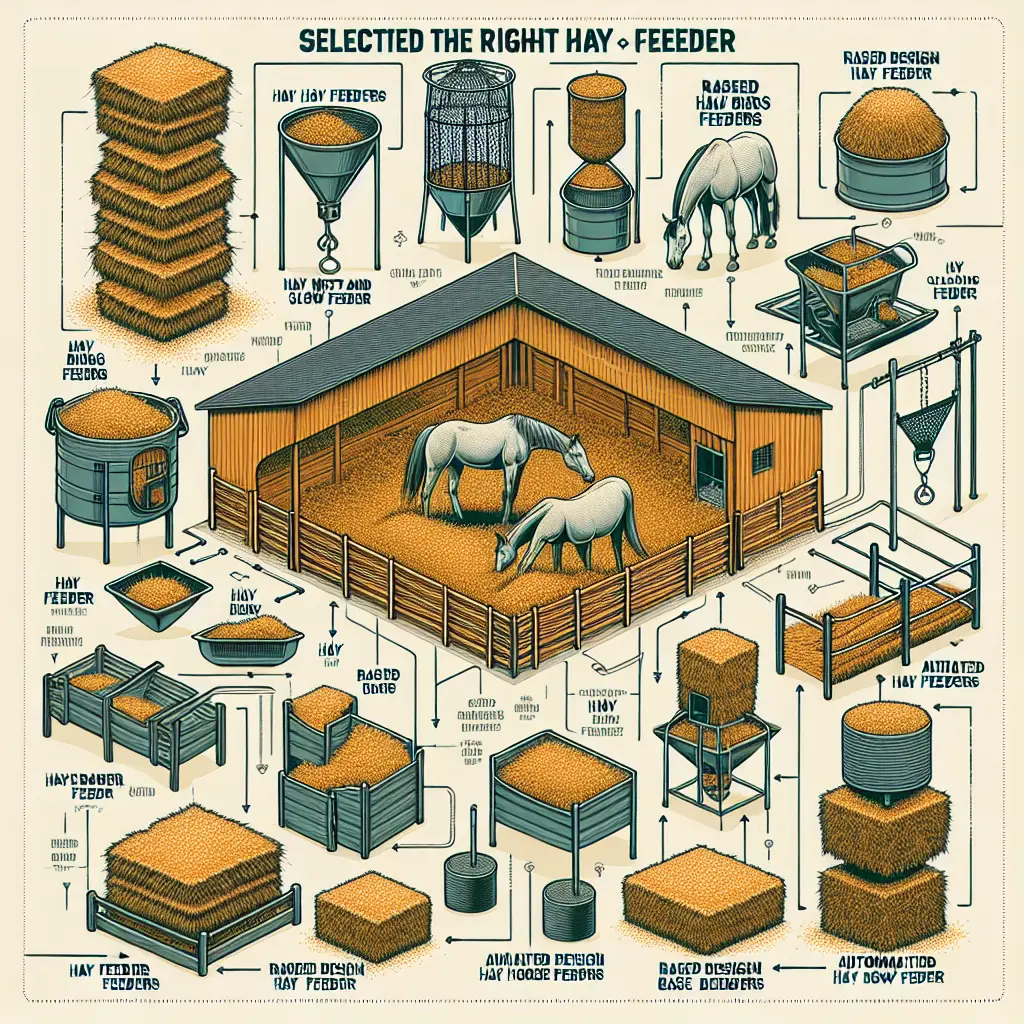
Hay Cubes and Alternative Forages
Hay cubes support portion control and ease chewing for older horses. They can be soaked to prevent choking, integrating seamlessly with traditional feeding practices.
Practical Tips for Choosing and Using Hay Feeders
Selecting the right feeder involves understanding your stable environment and horse behavior.
Consider Hay Quality
Always prioritize good-quality hay as it provides essential protein, minerals, and vitamins crucial for overall horse health.
Feeder Design and Management
Adapt the feeder to your horse’s behavior and barn layout, keeping in mind the dynamics of horses that feed together.
Factor in Climate and Storage
Ensure your feeder protects hay from rain and snow to prevent spoilage and wastage.
Regular Maintenance
Clean feeders regularly to prevent mold, dust, and bacterial buildup. Ensure safety by checking for wear and damage.
Portion Control
Weigh your horse’s hay rather than eyeballing. This ensures consistent nutrition tailored to their specific needs.
Benefits of Proper Hay Feeding Practices
Proper feeding practices are beneficial for both your horse's health and your pocket.
Prevent Gastric Ulcers
Frequent hay feeding helps prevent gastric ulcers by maintaining a protective stomach environment.
Reduce Hay Wastage
Minimizing waste can save 15-25% of feed costs by avoiding trampled or soiled hay.
Extend Feeding Time
Using slow feeders can transform feeding times from under an hour to several hours, improving welfare and reducing boredom.
Maintain Dental Health
Proper feeder height and design help reduce the risk of dental wear while preventing contamination by dirt or sand.
Conclusion: Making the Right Choice
Selecting the appropriate hay feeder requires a deep understanding of your horse’s needs and your management style. With options like slow feeders, hay cubes, and automated systems, you can find viable solutions to traditional feeding challenges. By prioritizing these factors, you enhance hay nutrition preservation, reduce waste, and sustain digestive health, improving your stable's overall efficiency.
For more info on equipment and supplies, visit our homepage.