

How to Manage and Overcome Broncing in Young Horses: Strategies and Experiences
Broncing or bucking in young horses is a behavior that can seem daunting for many horse riders. Understanding the underlying causes of this behavior, implementing effective training techniques, and maintaining consistent care strategies are essential to effectively manage and overcome broncing in young horses. In this article, we delve into the root causes of broncing, recommended strategies, and provide insights into successful management practices.
Understanding Broncing in Young Horses
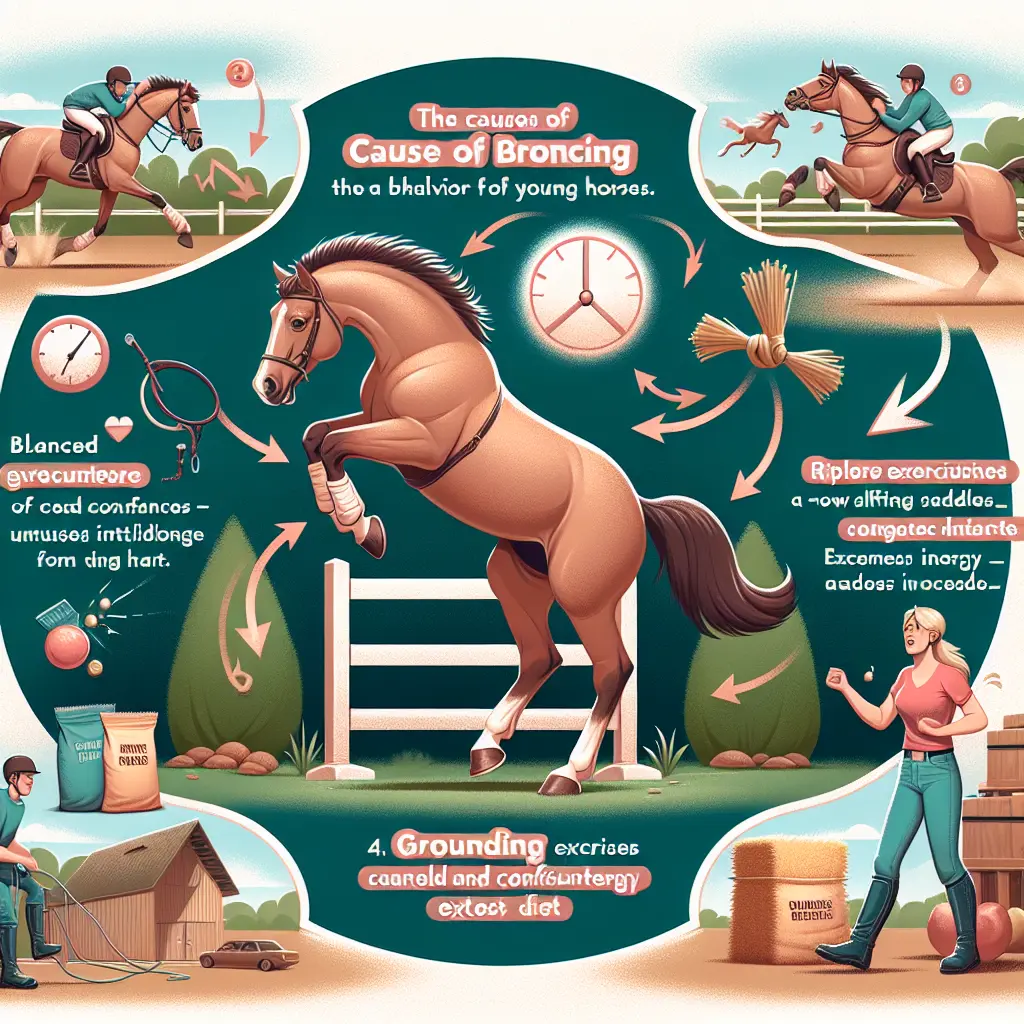
The term "broncing" refers to the sudden leaps and kicks or bucking displayed by horses. This behavior can range from playful expressions of exuberance to more serious and dangerous escape attempts. Common triggers for broncing in young horses include physical discomfort, psychological factors, excess energy, and learned behavior.

Physical Discomfort or Pain
Ill-fitting saddles, back soreness, or being "cold-backed" are common physical discomforts that can trigger broncing. As young horses develop musculature, their shape changes, necessitating regular saddle fittings to avoid pressure points that might provoke bucking. Back pain or dental issues should be evaluated by a veterinarian to eliminate these causes.
Psychological Factors
Fear, confusion, or excitement can also lead to broncing, and these are often exacerbated when horses are inexperienced or startled. Elements like poor groundwork, sudden stimuli, or insects can provoke reflexive bucking. It is also common for horses to exhibit this behavior in overly stimulating situations.
Excess Energy
Overfeeding coupled with insufficient exercise can result in young horses having excess energy, making them prone to bucking out of sheer exuberance rather than discomfort. This can be addressed by ensuring a proper diet and regular exercise.
Learned Behavior
If horses discover that bucking successfully alleviates a pressure or rider cue they find uncomfortable, they may develop a habit of bucking, which becomes challenging and potentially dangerous for riders.
Key Strategies to Manage and Overcome Broncing
Rule Out Physical Causes First
Before addressing behavioral training, it's crucial to identify and rectify any physical issues that could be causing discomfort. Veterinary assessment is key to identifying pain, dental problems, or back issues[Monty Roberts University Forum]. Regular saddle fit sessions are recommended as young horses grow and change shape.
Adjust the Horse’s Diet
A high-energy diet may contribute to excessive exuberance. Adjusting the diet to focus on quality hay or grass can help in calming fresh behavior. Consulting an equine nutritionist for a balanced diet customized to the horse’s workload can be beneficial[Your Horse].
Implement Consistent Groundwork
Consistent lunging and in-hand exercises with transitions (walk-trot-walk) are effective methods to burn off energy and teach the horse responsiveness without the weight of a rider[WeHorse]. Introducing saddle and rider pressure gradually in a controlled manner helps avoid shocking the horse.
Establish Clear Communication and Training Cues
Consistent cues and clear communication reduce confusion-based broncing. Using positive reinforcement when the horse responds calmly to pressure can be beneficial. Redirecting the horse's energy by asking for forward movement or changes in gait is often more effective than forcing compliance.
Create a Calm Riding Environment
Riding young horses in overly stimulating environments too early in their training can be unsettling for them. It’s important that they are gradually introduced to competitive or group situations once they have developed confidence and training. Proper warm-ups are essential to prevent reactive bucking due to cold muscles.

Safety First
Rider safety is paramount, and wearing protective gear is non-negotiable. Training with an experienced instructor who specializes in managing young horses with behavioral issues can provide critical insights and enhance safety. Achieving progress in behavioral management requires patience and persistence as such changes do not occur overnight.
Experiences from the Field
Monty Roberts University Forum suggests that often, defensive bucking signals back pain or saddle fit issues. Similarly, Horse and Rider magazine underscores the importance of isolating the true cause of bucking—be it pain, fear, or a training gap. They emphasize that riders should not allow horses to form habits that might incentivize bucking as a way to dislodge a rider.
Real-World Insights and Practical Advice
Enthusiasts on Your Horse have pointed out that recognizing triggers like excitement, cold muscles, or overfeeding and adjusting management practices can significantly reduce the likelihood of bucking. Maintaining a vigilant eye on horse body language can offer clues as to whether broncing stems from pain or behavioral origins.

Conclusion
Broncing in young horses is a complex behavior with roots in both physical and psychological factors. Effectively managing it requires a holistic approach involving veterinary checks, expertly balanced nutrition, patient and consistent training, and appropriate equipment fitting. By focusing on these key areas, riders and trainers can successfully transition young horses through this developmental stage, transforming a potentially risky challenge into manageable growth and development.
For more insights and an array of horse-riding essential products, including Jodhpur Collection, Horse Riding Boot Collection, Horse Riding Gloves Collection, don’t hesitate to explore the wide range of offerings available at Just Horse Riders for an enriched equestrian experience.