

Should You Buy a Horse with Sarcoids? Exploring the Risks and Rewards
Buying a horse is no small decision; add in the complexity of horse sarcoids, and it becomes an even more intricate matter. Before we delve into whether you should buy a horse with sarcoids, let's first understand what sarcoids are and how they may impact your horse-owning experience. This blog will guide you through this complex decision, ensuring you’re armed with all the information you need.
What Are Sarcoids?
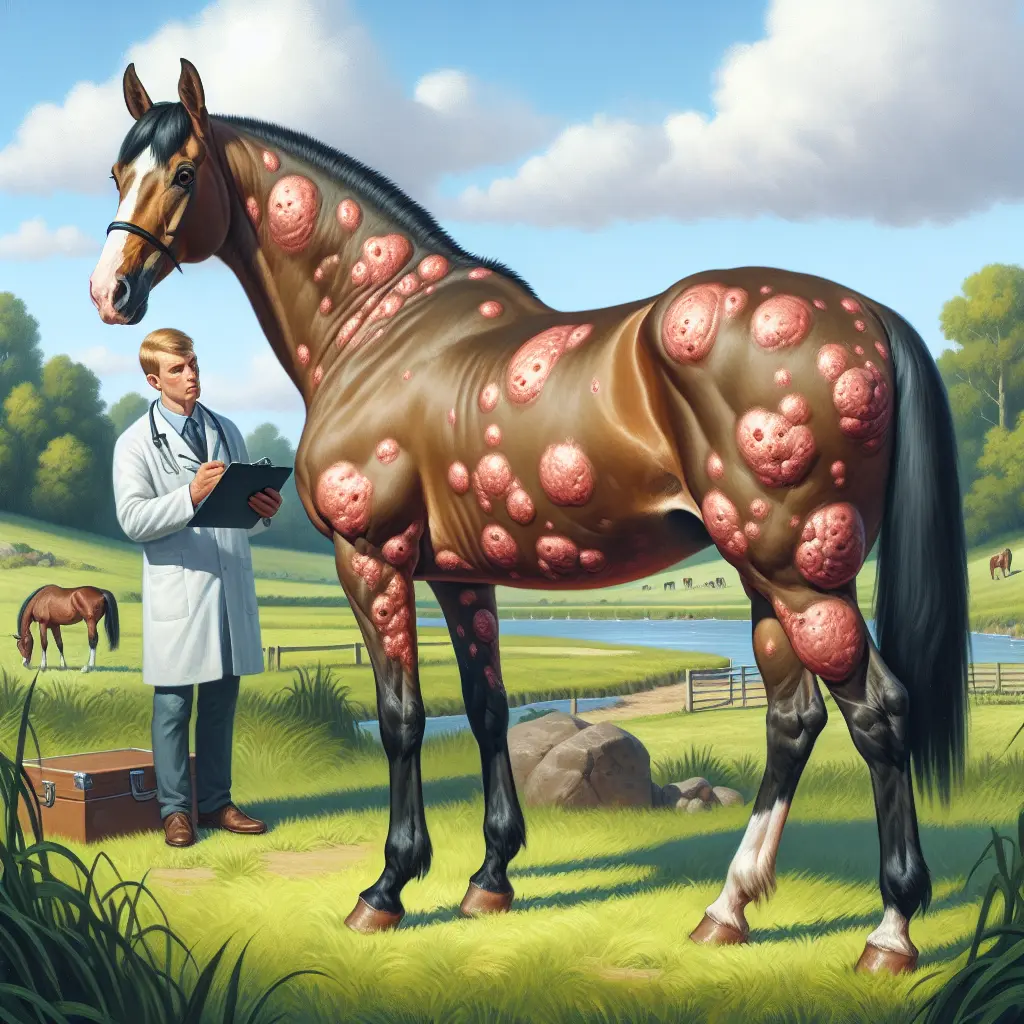
To begin with, sarcoids are the most common skin tumors in horses, responsible for approximately 40% of all equine cancers [Royal Veterinary College Sarcoids Info]. These tumors are usually caused by a papillomavirus infection and appear as wart-like, hairless, rough, or nodular skin lesions. Given their wide variety, sarcoids range in size and form, from flat scaly patches to large fibrous masses available in areas such as the head, neck, groin, limbs, and regions prone to trauma.
Types and Behavior of Sarcoids
Sarcoids vary in type, including occult, verrucous, nodular, fibroblastic, mixed, and malevolent types, each with a varying degree of aggressiveness. It's crucial to note that sarcoids often do not self-cure and can persist or increase in number [Priors Farm Equine Surgery]. Inadequate treatment can worsen their condition, causing them to spread more aggressively.
Understanding the Impact
Notably, while sarcoids are not malignant and do not typically metastasize, they can be locally invasive and progressive. They usually present no pain or itchiness but can bleed, ulcerate, and, if located under tack, cause discomfort during riding.

Treatment Options and Challenges
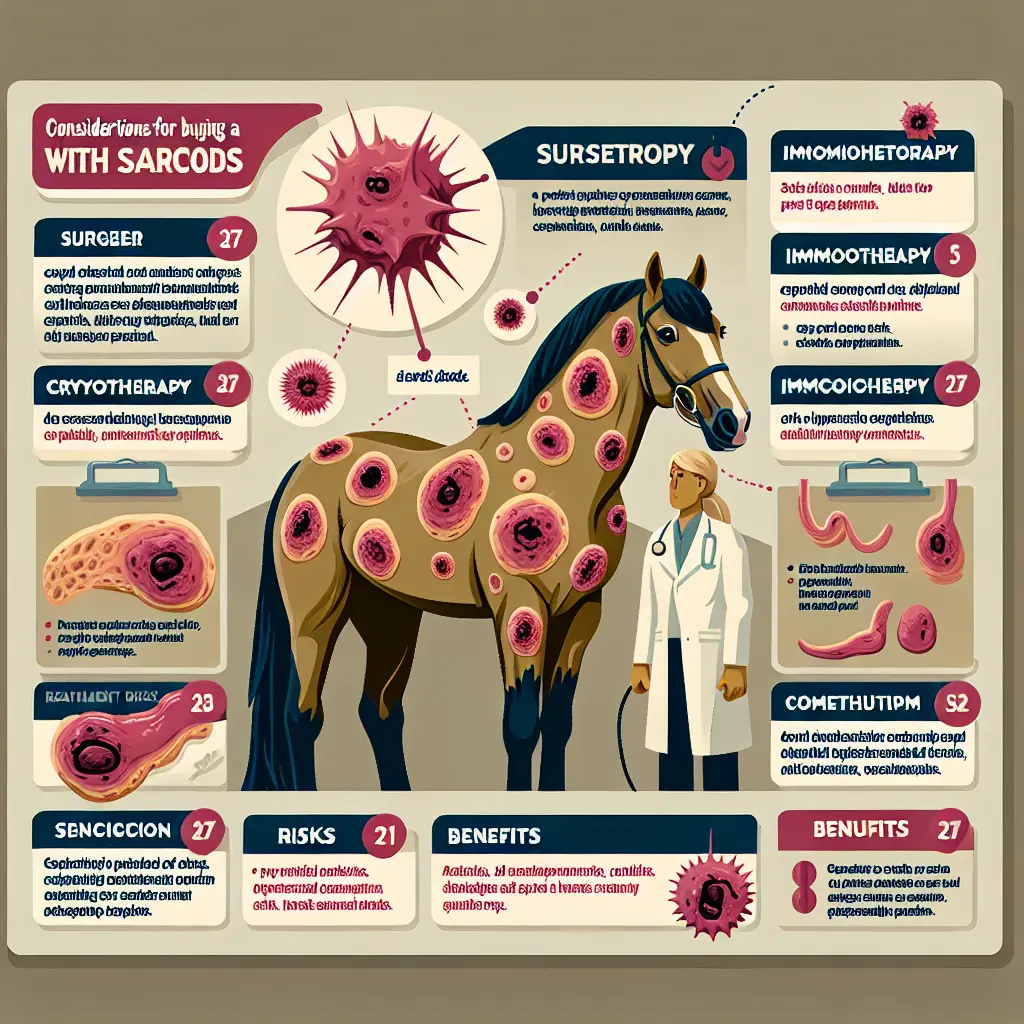
There is currently no single cure that is consistently effective in treating sarcoids [Platinum Performance Article on Sarcoids]. Treatment options include:
- Surgical removal, including laser treatment
- Cryotherapy to freeze the lesions
- Immunotherapy, like BCG injections
- Chemotherapy and various topical agents
- Radiation therapy at specialized facilities
The effectiveness of treatment depends on the type and location of the sarcoids. Recurrence rates are notably high, and if sarcoids are not thoroughly eliminated, they can grow back more aggressively.
A Closer Look at Management
The management of sarcoids can be financially and emotionally taxing. Some may remain stable for long periods or even regress spontaneously without treatment.
Risks of Buying a Horse with Sarcoids
Let’s look at some potential risks associated with purchasing a horse with sarcoids:
1. Potential for Recurrence and Poor Cosmetic Condition
Regardless of aggressive treatment, sarcoids can come back, leading to ongoing veterinary costs and maintenance.
2. Impact on Usability and Comfort
Sarcoids in certain locations can interfere with tack, causing discomfort or even lameness if they are near joints.
3. Spread and Contagion Concerns
The virus causing sarcoids isn't contagious in the classic sense but can spread, necessitating stringent biosecurity measures to avoid transmission to others.
4. Limitations on Competitive or Sale Value
Horses with visible or aggressive sarcoids may not be as desirable commercially due to ongoing treatment needs and aesthetic concerns.
Rewards and Considerations
Buying a horse with sarcoids isn't without rewards. Here are some potential upsides:
1. Many Horses Live Well with Sarcoids
For many horses, sarcoids do not cause severe health issues and can be managed to maintain quality of life.
2. Treatment Advances
Ongoing research deliver promising new treatments, offering hope for more effective sarcoid management.
3. Buying Price
Due to the presence of sarcoids, you might find horses at reduced prices, presenting a financial opportunity if you're prepared to invest in treatment.

4. Personal Tolerance
If you're not focused on competitions, the manageable cosmetic and health impact of sarcoids might be an acceptable trade-off.
Considering the Purchase
If you're contemplating buying a horse with sarcoids, consider the following actions:
Get a Thorough Veterinary Examination
Correctly identifying the sarcoid type is crucial as treatment and prognosis can greatly vary.
Understand the Treatment History
Ack about previous treatments and examine any recurrences or complications.
Consider Location and Number of Sarcoids
Extra caution is needed for lesions under tack or near joints due to discomfort and treatment difficulty.
Plan for Regular Monitoring
Ongoing observation is key for detecting regrowth or new lesions early.
Factor in Additional Costs
Consider costs for treatment, ongoing management, and potential decreases in value or usability.
Final Thoughts
Buying a horse with sarcoids isn't an automatic "No," nor is it a straightforward "Yes." Considerable thought is needed. Knowledge and veterinary advice are key tools in weighing risks and rewards. Sarcoids, while common, require informed management. If you're prepared with the necessary knowledge and have assessed the costs and benefits, such a horse could be a worthwhile investment. You might even find some useful products and supplements for ongoing horse care at Just Horse Riders.