

Understanding and Addressing Sudden Loading Reluctance in Horses
It's a frustrating moment on a sunny day at the stables, a horse suddenly refusing to load onto a trailer. This reluctance can be perplexing and stressful, both for the horse and the handler. Sudden loading reluctance in horses is not just a battle of wills but an indication of underlying stress or discomfort.

The Causes of Sudden Loading Reluctance
Physical Pain or Discomfort
Physical issues such as foot pain or lameness can cause a horse to resist loading. Injuries like fractures, tendon damage, or nail punctures can make movement and weight bearing painful[2]. Similarly, musculoskeletal issues such as muscle strains or Sidewinder Syndrome, a neurological condition, can affect a horse's gait and loading ability[4][2].
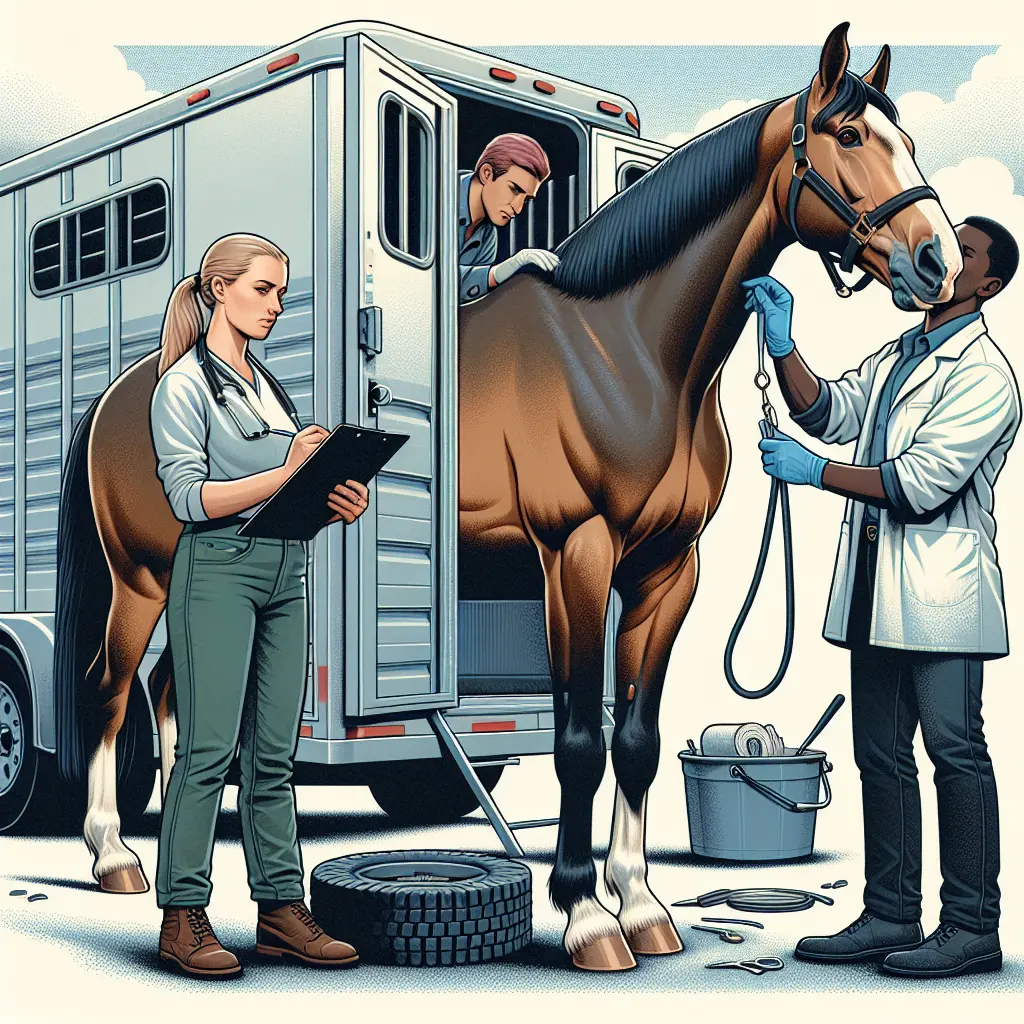
Psychological Stress and Anxiety
Stress due to unfamiliar environments or negative loading experiences can cause a horse to resist. Signs include high head carriage, nervousness, or pulling back when restrained[1][3]. Past trauma can amplify fear-based refusal behaviors[5].
Environmental and Management Issues
Unsuitable trailer design, such as slippery floors, poor ventilation, or inadequate space, can increase discomfort, leading to loading reluctance[3][5]. Horses may also fear getting trapped by tie ropes or dividers inside the trailer.
Solutions and Best Practices
Veterinary Assessment and Treatment
A thorough veterinary examination including physical, neurological, and lameness evaluations is critical for identifying pain sources. Through diagnostics like palpation or imaging, veterinarians can address treatable causes with medication and rest[2][4].
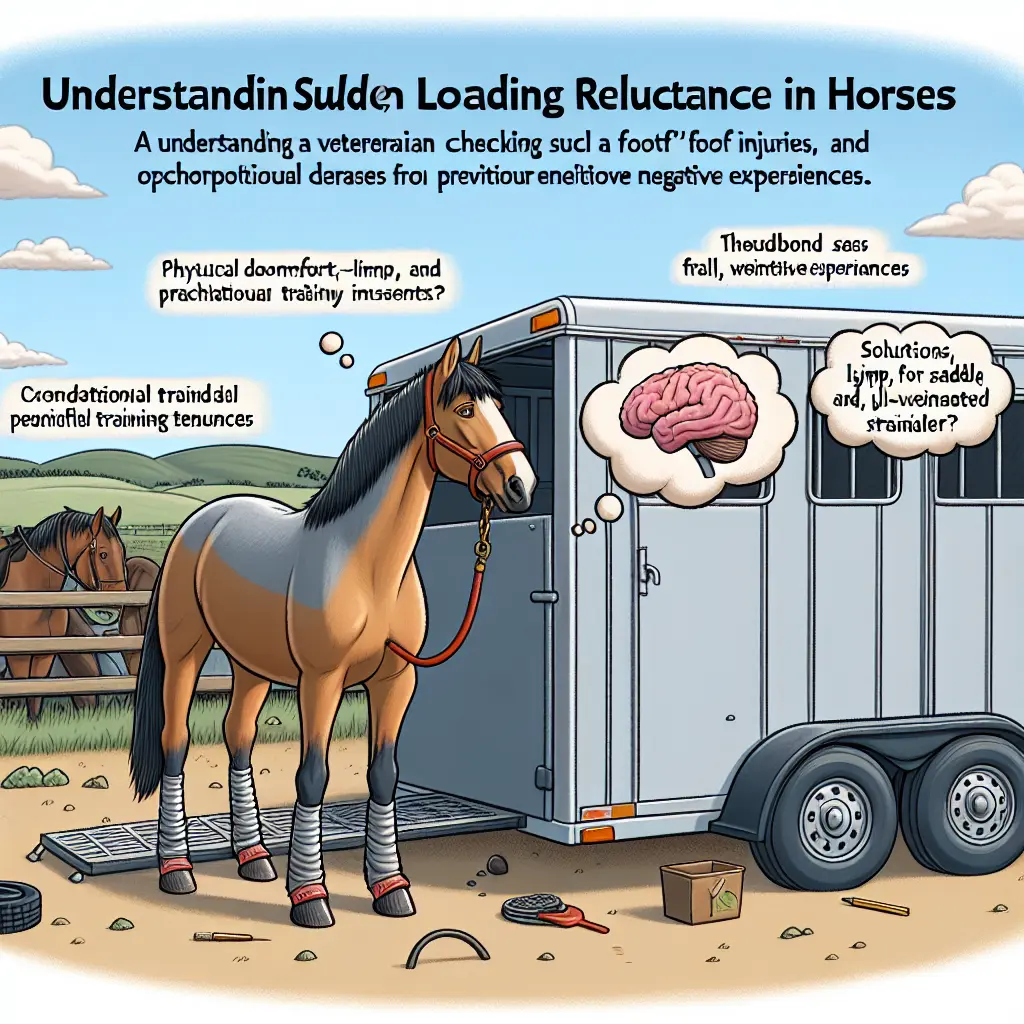
Behavioral Modification and Training
Implement gradual desensitization and positive reinforcement to build trust around trailers. Ensuring consistent routines and patience can reduce anxiety and improve compliance[5]. For those looking to enhance their horse riding apparel to ensure a comfortable experience even during stressful scenarios, explore our Jodhpur Collection and Horse Riding Boot Collection.
Optimizing Trailer and Travel Environment
Ensure the trailer has non-slip flooring, proper ventilation, and adequate space. Allow horses to lower their heads during travel to relieve pressure, and provide soaked hay and water during long journeys[3][5].
Regular Tack and Hoof Care
Checking saddle fit and hoof health regularly can prevent discomfort-related behaviors. Subtle pain and pressure points can manifest as reluctance to load or move.
Managing Stress and Anxiety
Recognize signs of stress such as yawning or changes in demeanor. Early intervention can help adjust care and training accordingly[1]. Discover how Everyday Horse Vitamins & Supplements can assist in managing stress-related challenges.
Facts and Figures
Stomach ulcers affect 60-90% of performance horses, leading to changes in loading behavior[1][7]. Lameness is another significant factor, with mild to severe cases greatly impacting a horse’s willingness to load[2][4]. Managing travel and loading techniques can mitigate stress-induced cortisol spikes[3].
Authoritative Resources
We highly recommend exploring these resources: the British Horse Society on Equine Stress, Horse Side Vet Guide, Mad Barn’s Sidewinder Syndrome Resource, and Horse and Rider Magazine on trailer loading problems.
Conclusion
By understanding the multifactorial causes of sudden loading reluctance and applying targeted approaches—addressing physical health, psychological wellbeing, and environmental factors—horse owners can significantly improve their horse's comfort and compliance. These strategies not only make for a smoother journey but also enhance the overall equine experience.
Explore our Horse Treats And Gifts for a treat that your horse truly deserves after a successful load!