

How Sudden Changes in Livery Yard Contracts Affect Horse Owners: Navigating Unexpected Costs and Restrictions
Horse owners trust livery yards to provide a stable environment for their cherished animals. However, sudden changes in livery yard contracts—such as unexpected costs or new rules—can significantly disrupt the lives of horse owners and their beloved companions. These changes can impose unexpected financial burdens and force horse owners to make difficult adjustments. In this blog, we explore the reasons behind these changes, the effects on horse owners, and ways to proactively manage these situations.
Understanding Sudden Livery Contract Changes
Why Do Livery Contracts Change Suddenly?
Livery yards operate like any other business, facing rising costs due to inflation and market fluctuations. Costs for feed, bedding, and staff wages can change unpredictably, necessitating contract adjustments. While owners typically expect annual or bi-annual price increases of 2-3% in line with inflation, unforeseen situations such as rising feed costs or new regulations can lead to unexpected fee hikes.
Contracts should include clauses for regular price adjustments, but ambiguity or lack of clear terms often leads to contract disputes when changes are made mid-term.
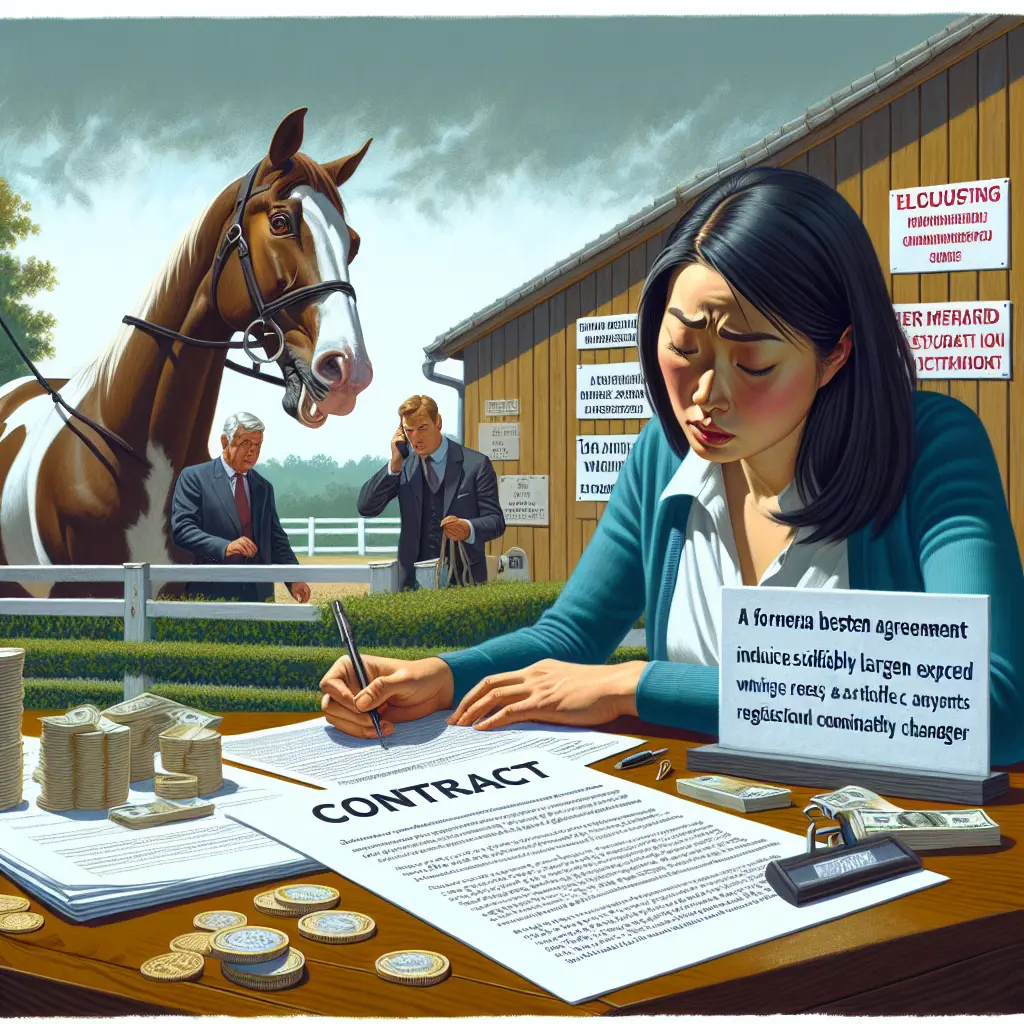
The Complexity of Managing Cost Increases
Livery contracts often lack provisions for sudden changes, leaving owners unprepared for abrupt revisions in service costs. It's crucial for contract templates to clearly define allowable circumstances for price increases. This lack of transparency is an ongoing issue, making it challenging for owners to budget effectively.
The Impact of New Yard Policies
Not all changes pertain to costs. Some yards modify yard rules to comply with new safety regulations or operational strategies. Changes in hours of access, care routines, or safety precautions can affect an owner’s daily schedule and lead to logistical challenges.
Effects of Sudden Contractual Changes on Horse Owners
Financial Strain
For many, owning a horse is a discretionary expense. Thus, unexpected increases in monthly fees can impose a financial burden. Owners must navigate challenging decisions, such as absorbing costs, reducing services, or relocating their horse.
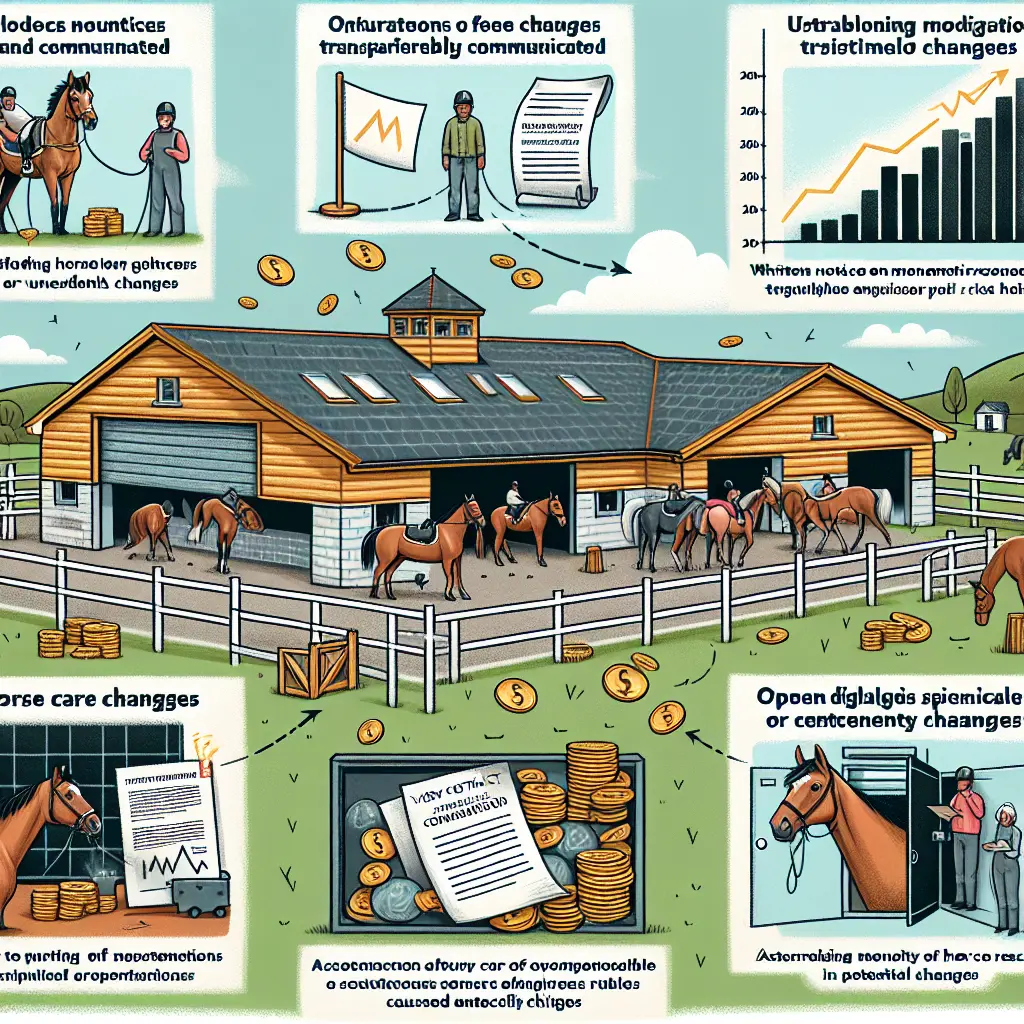
Unanticipated Responsibilities
Added regulations can also bring new responsibilities for owners. These might include additional cleaning duties or compliance with health protocols. While necessary for horse welfare, such changes can disrupt convenience and routine for both owner and horse.
Welfare Concerns
If sudden changes negatively impact the quality of care offered, this could potentially jeopardize the welfare of the horse. Owners may reluctantly accept higher costs to ensure their horses remain in a secure environment.
Legal Confusion
Without proper contractual language, disputes can arise over terms related to service changes, payment, and termination. A typical notice period of 30 days might be vague, causing misunderstandings or legal challenges.
Mitigating Unexpected Changes: Best Practices for Yard Owners
Scheduled Price Reviews
Livery contracts should incorporate predetermined price adjustments tied to inflation. Clear communication helps avoid sudden fee shocks and promotes stability.
Written Notices
Owners should receive formal notifications concerning any changes, aligned with the notice periods stated in their contracts. This simple step enhances transparency and trust.
Detailed Service Specifications
Contracts must describe what services are covered by livery fees and the circumstances under which changes might occur. This minimizes ambiguity and potential disputes.
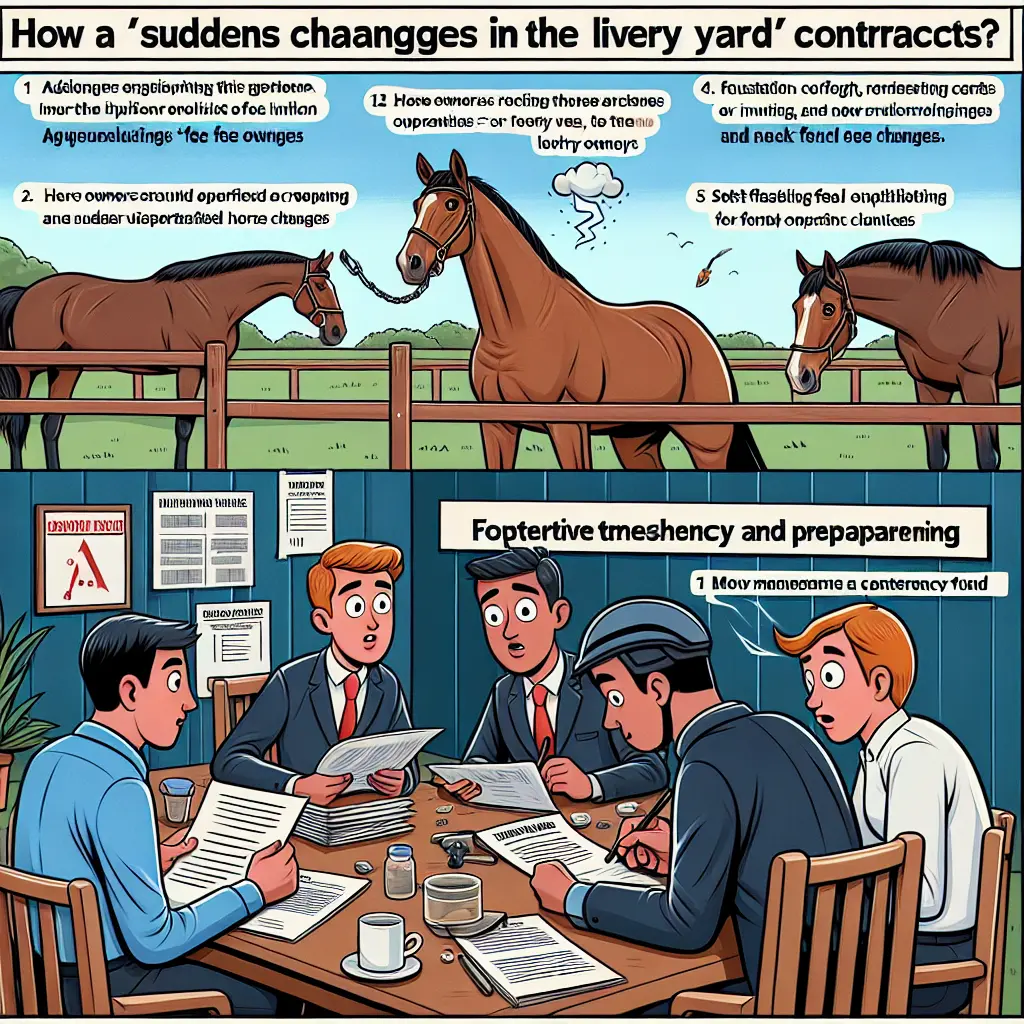
Steps Owners Can Take to Protect Themselves
Request Written Contracts
Owners should always demand a formal, written agreement outlining fees, services, and notice periods, safeguarding against verbal miscommunications.
Understand Price Adjustments
It's essential for owners to ensure that contracts specify limits to price increases and their frequency. Negotiating these terms in advance prevents surprises.
Budget Contingency Funds
Anticipating unforeseen expenses by setting aside funds can help cushion the financial impact of sudden changes.
Open Communication with Yard Owners
Engaging in candid conversations regarding reasons for changes can lead to workable solutions. Owners and managers may find compromises that benefit both parties.

Data and Insights
With approximately 60% of UK leisure horses residing in livery yards, the stability of these arrangements is critical. Regular fee adjustments within predictable ranges help maintain owner satisfaction and reduce turnover.
Avoiding large unexpected price hikes through transparent communication is key to maintaining harmony between yard operators and horse owners.
Conclusion: Creating Predictability in Livery Arrangements
With effective strategies like clear contracts, planned price reviews, and open communication, horse owners and yard managers can navigate unavoidable changes while maintaining trust and ensuring the welfare of their cherished horses. For detailed guidance, visit Weightmans' article on horse livery contracts.
By fortifying these relationships with clarity and foreseeing potential changes, both parties can enjoy peace of mind and focus on what truly matters—the care and enjoyment of their equine companions. For top-quality horse riding gear and accessories, check out our Jodhpur Collection, Horse Riding Boot Collection, and Horse Riding Gloves Collection.