
Horsey Netflix binges are brilliant for rainy evenings, but they don’t replace good UK yard know‑how. Here’s how to enjoy the drama, spot what’s exaggerated, and turn on‑screen inspiration into safer, happier riding at home.
Key takeaway: There’s no new UK Netflix exposé in 2025–2026 — watch for entertainment, then train and kit up to proven British standards.
Is there a new Netflix exposé on UK equestrian life?
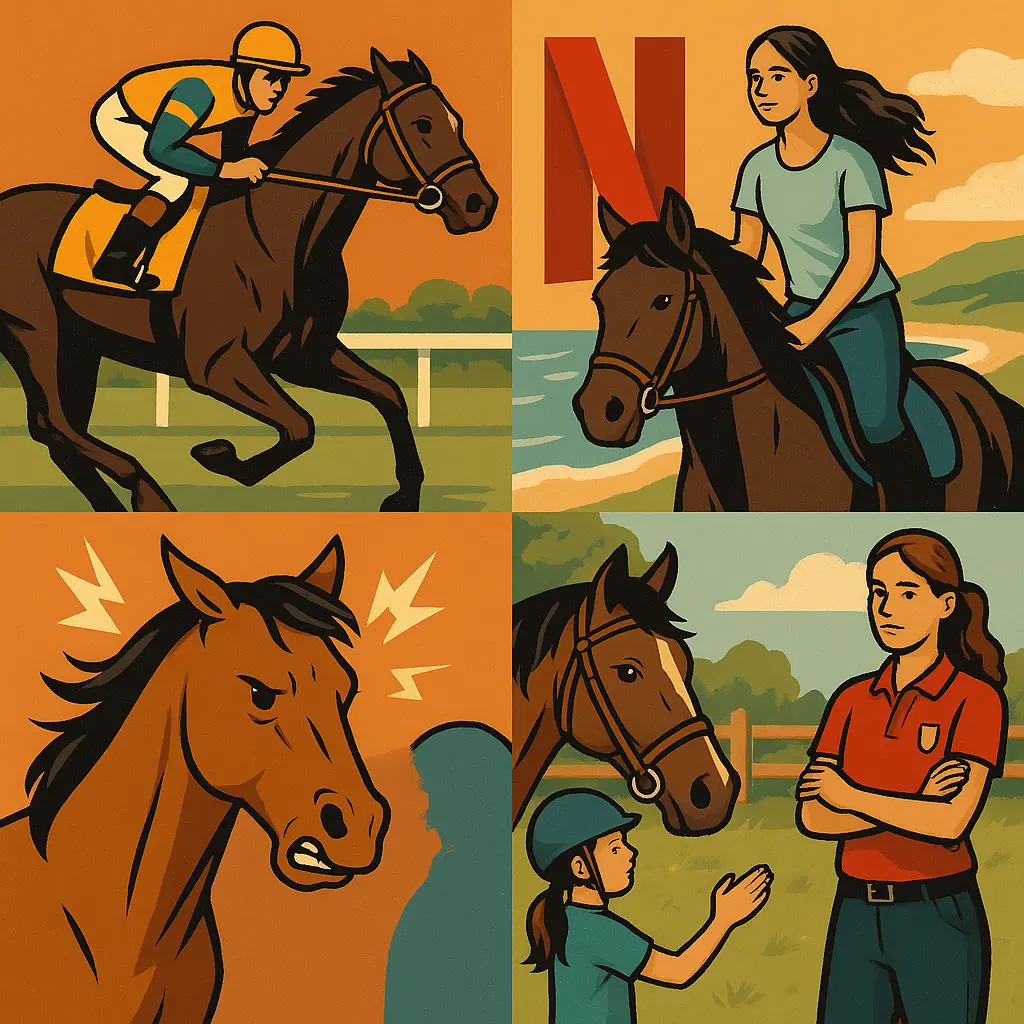
No — there’s no confirmed 2025–2026 Netflix exposé focused on UK equestrian issues. Recent horse-related streaming includes the US racing docuseries Race for the Crown (2023), the British family drama Free Rein (2017–2019), and an upcoming US true‑crime episode on the 2019 Barisone case.
Race for the Crown (previously trailed as “Triple Crown”) follows American racing rivalries and trainers with the high-drama storytelling pioneered by Formula 1: Drive to Survive. As Eastern Eye put it:
“Netflix’s Triple Crown documentary... does a great job at showing the sport of horse racing, with a dramatic lens.”
By contrast, Free Rein is British, set on a fictional island inspired by Anglesey and full of coastal hacks, livery yard dynamics, and youth riding adventures. It’s fiction, not a documentary — but it gives UK viewers a familiar backdrop. A 2026 true‑crime series episode titled “The Shooting at Hawthorne Hill” focuses on a US incident involving trainer Robison Barisone; it’s relevant to welfare conversations, but it isn’t guidance for UK training or law.
What Netflix shows are worth a UK rider’s time?
Start with Free Rein for UK-flavoured fun, then dip into Race for the Crown if you enjoy the theatre of US horse racing. Skip any on‑screen “shortcuts” and come back to British best practice for your real horse.
Free Rein (Series 1 began in 2017; three series in total) is relatable for UK families — beach rides, yard friendships, and a fair bit of mystery. The filming vibe mirrors Anglesey’s changeable weather and coastal terrain, which makes it a neat springboard for talking tack, turnout, and safety with younger riders. For budding jockeys or racing fans, Race for the Crown is high-octane viewing; it’s polished, character-led, and great for understanding why thoroughbred training commands such skill — albeit framed for drama rather than husbandry.
Quick tip: If a scene shows advanced handling (e.g., managing a sharp horse on a windy beach), hit pause and plan how you’d create a calmer, UK‑appropriate version with your coach. Entertainment first, welfare always.
Do Netflix shows reflect UK welfare and training standards?
No — they’re built for story arcs, not for teaching the Animal Welfare Act 2006 or BHS coaching standards. Treat them as entertainment, then apply UK guidance for everyday care and work.
On-screen tension often exaggerates timelines and tempers. In the real world, UK riding progresses through consistent groundwork, fair aids, and clear reward. After a dramatic episode, check your horse for stress signals like pinned ears, tail swishing, teeth grinding, head tossing, or rushing off the leg. Then structure calmer sessions focused on relaxation and responsiveness.
At Just Horse Riders, we recommend keeping your foundation solid: tack that fits, progressive schooling blocks, and positive reinforcement. If a storyline glamorises “pushing through,” balance it with British Horse Society (BHS) best practice: small steps, fair expectations, and rest before repetition.
Practical takeaways for your horse after watching
Translate on‑screen inspiration into a simple, welfare‑first plan: assess, adjust, and build routines with qualified instruction. That keeps your horse happy while your confidence grows.
Here’s a straightforward framework for the week after a binge-watch:
- Day 1–2: Health and comfort audit. Check back, girth area, and legs. Refresh grooming and skin checks after any muddy turnout; a tidy kit from our grooming collection makes it easy.
- Day 3–4: Groundwork reset. Walk in hand, halt‑walk transitions, and yielding the quarters. Look for soft eyes, a swinging tail, and a blow-out sigh — those are green lights to progress.
- Day 5: Saddle‑up schooling. Keep it short and positive. If your hack plan includes bridleways or beaches later in the month, practice responsiveness in a fenced arena first.
- Day 6–7: Conditioning check. Can your horse maintain rhythm and a relaxed heart rate for 20–30 minutes? If not, scale back and build slowly.
Kit that supports the plan:
- Head safety first: go for a BSI Kitemarked hat from our riding helmets collection (£40–£100) before you try anything “inspired” by TV.
- Feet that cope anywhere: choose supportive soles and secure heels from our horse riding boots line, ideal if you’re eyeing coastal or moorland routes (£80–£150).
- Weatherproof the horse: UK showers and wind need the right rug on any Anglesey‑style hack. Browse winter turnout rugs for wet, windy days and stable rugs for snug nights (£50–£200 across types).
- Protect the legs: for schooling or uneven ground, consider support from our horse boots and bandages.
Pro tip: Fit and breathability trump everything. Many UK coastal rides sit in the 10–20°C range in summer — too warm for heavy layers. Choose lightweight sheets or no rug if your horse is unclipped and comfortable; step up to a light or medium turnout only when wet and wind demand it.
Brand picks our customers love for hardy British weather include WeatherBeeta for robust turnouts, Shires for yard‑ready practicality, and LeMieux for comfortable saddle pads and accessories that help horses move freely.
What to wear and pack for UK coastal or moorland rides
Dress in layers, wear hi‑vis, choose grippy boots, and pack a simple grooming and first‑aid kit; rug your horse for wind and rain rather than temperature alone.
Coastal breezes and moorland showers can change by the hour. Equip yourself with:
- Visibility: motorists and walkers spot you sooner with our rider hi‑vis range. Even on bridleways, sea mist rolls in fast.
- Lower half comfort: stretch and grip matter; for younger riders, check our children’s jodhpurs and breeches for durable, easy‑wash fabrics.
- Footing: a supportive heel and deep tread from the riding boots selection give confidence on wet tracks and beach entries.
- Groom‑and‑go: a compact brush and hoof pick keep sand and grit at bay — build yours from our grooming essentials (£20–£60 for a solid starter set).
- Rugs on standby: if there’s rain and a stiff breeze, a light waterproof from our turnout rug collection works harder than a warm stable layer. Leave bulk at home unless the wind chill justifies it.
For winter hacks, add a neck cover and consider a fleecy layer back in the stable — our stable rugs help horses dry and stay warm without over‑heating. For warmer months with midges, a breathable sheet from our fly rugs keeps the peace, especially by marshes or estuaries.
Quick tip: Sand rubs are real. Rinse legs and heels after beach work and dry thoroughly. A calm, post‑ride brush-down prevents grit sores and helps you spot early skin irritation.
Yard life vs on‑screen drama
Real UK yards prioritise routine, turnout management, footing, and mud control — not cliffhangers. Keep a steady schedule, manage gateways, and protect skin and tendons during the wet months.
Free Rein captures the buzz of yard friendships, but real livery success is earned in the small stuff: clean water, regular forage, consistent handling, and mud maps. On clay soils, set up sacrificial areas or track systems, rotate turnout, and protect legs if your horse is prone to knocks or mud fever. Good daily grooming removes mud cakes and lets you check for heat, swelling, or small cuts before they escalate.
Support tools that make winter yards easier:
- Daily brush‑through: assemble durable yard brushes and mitts from our grooming collection, with options from Gallop Equestrian for strong value (£15–£40 for individual yard brushes).
- Leg protection: choose fit‑for‑purpose boots from our horse boots and bandages to reduce bumps in crowded gateways and support schooling on churned surfaces.
- Nutrition back‑up: where work increases or skin needs support, explore proven formulas in our horse supplements range, including trusted options from NAF.
Pro tip: Mud fever prevention is a routine, not a product. Hose or sponge to remove wet mud, dry well, then apply barrier where appropriate. Frequency beats force — gentle, consistent care protects the skin’s natural defences.

Safety notes for kids and families inspired by Free Rein
Children should ride with an approved hat, body protector where appropriate, and close adult supervision; keep lessons short, positive, and progressive.
Free Rein’s island escapades are great fun, but UK family riding sticks to structure. Book regular lessons with a BHS‑qualified instructor, match pony to rider size and temperament, and build hacks gradually from enclosed areas to open spaces. For essentials, choose a BSI‑approved hat from our riding helmets collection and comfy, durable bottoms from children’s jodhpurs and breeches. Reward effort generously — a pocket of pony nuts or a pat is enough; for special days, browse our horse treats.
Pro tip: Keep “TV stunts” on the TV. No jumping unfamiliar fences, no galloping on beaches without prior schooling and local knowledge, and no handling unknown horses without an experienced adult. That’s non‑negotiable.
Should Netflix shape how you train?
No — use it as motivation, then follow evidence‑based UK methods, clear goals, and qualified coaching. Shows end with a tidy resolution; real horses thrive on patient repetition.
Turn inspiration into a plan you can actually ride:
- Define one goal for 4–6 weeks (e.g., steadier rhythm in trot on hacks, or softer downward transitions).
- Schedule three short sessions per week, mixing groundwork, flatwork, and an easy hack.
- Reward small wins instantly — with a wither scratch or voice, then a stretch break. That’s positive reinforcement done right.
- Log heart rate, breathing recovery, and mood. If stress signs climb, reduce the ask, shorten sessions, or rest.
- Check fit regularly. Swapping pads or girths can transform comfort; explore designs from LeMieux for pressure relief and stability.
If a storyline tempts you towards “bigger, faster, now,” remember: the Animal Welfare Act 2006 puts a duty of care on owners to meet behavioural, dietary, health, and environmental needs. British coaching frameworks exist to help you do exactly that — steadily, kindly, and safely.
At Just Horse Riders, we keep training real. If you need an affordable upgrade or a last‑minute replacement, our Secret Tack Room clearance is a smart place to start.
Conclusion
Enjoy the shows — then ride the reality. Use Free Rein for family fun, Race for the Crown for spectacle, and UK standards for everything you actually do with your horse. Gear up for British weather, prioritise fit and safety, and build calm, consistent training blocks. Your horse will tell you you’re on the right track — in softer eyes, easier breathing, and a happier way of going.
FAQs
Is there a new Netflix exposé on UK equestrian issues?
No. There’s no confirmed 2025–2026 Netflix exposé centred on UK equestrian life. Recent relevant titles are the US‑focused Race for the Crown (2023), the British drama Free Rein (2017–2019), and an upcoming US true‑crime episode related to the 2019 Barisone case.
Which Netflix horse show is best for British kids?
Free Rein. It’s UK‑made, set on an Anglesey‑inspired island, and blends pony‑mad fun with safe, family‑friendly storylines. Pair the episodes with real‑world basics like an approved hat from our riding helmets range and comfy kit from children’s jodhpurs and breeches.
Does Netflix show UK riding accurately?
Free Rein captures a believable British yard setting, but it’s still scripted drama. Use it to spark interest, then follow BHS‑aligned instruction and the Animal Welfare Act 2006 for real‑life practice.
What gear do I need for a TV‑style coastal hack in the UK?
Think layers and visibility: hi‑vis from our rider hi‑vis collection, supportive riding boots, and a weather‑appropriate rug from our turnout rugs. Pack a compact brush and hoof pick from our grooming essentials to clear sand and grit.
How do I spot training stress like the drama you see on racing docs?
Watch for pinned ears, tail swishing, head tossing, rushing, or teeth grinding. Shorten the session, return to easy wins, and reward relaxation. If in doubt, consult your coach and consider comfort checks — saddle fit, bit choice, and leg protection from our horse boots and bandages.
How can I turn Netflix inspiration into a sensible plan?
Pick one goal, train 3 short times per week, reward small improvements, and track comfort. Keep kit fit‑checked, choose proven brands like WeatherBeeta and Shires for UK weather, and add targeted support from our supplements range where appropriate.